Meet the Pea Crab: Nature’s Unsung Ocean Hero
The oceans are teeming with life, from the tiniest plankton to the largest whales. Among these myriad creatures, one small but mighty inhabitant stands out for its remarkable adaptations and critical role in maintaining oceanic biodiversity—the pea crab (Pinnotheres spp.). This diminutive crustacean, named for its pea-like size, is a fascinating example of nature’s ingenuity. Let’s dive into the world of the pea crab, exploring its unique characteristics, symbiotic relationships, and vital contributions to marine ecosystems.
A Tiny Titan: The Pea Crab’s Size and Appearance
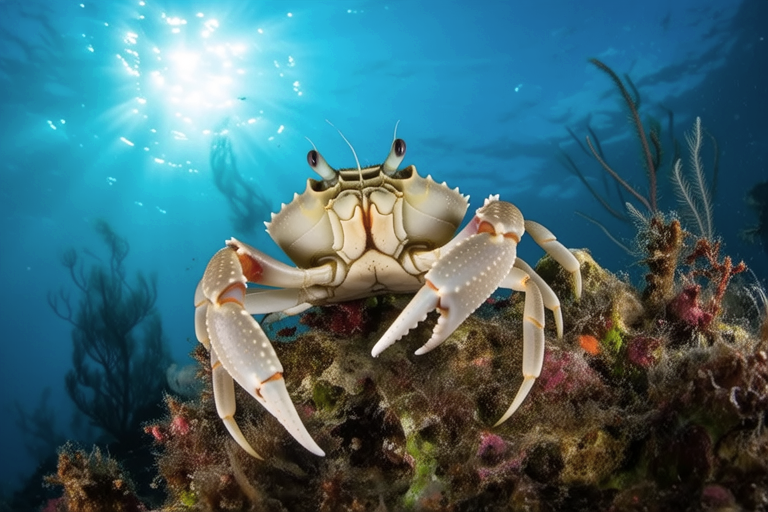
The pea crab is indeed tiny, typically measuring between 4 to 8 millimeters in length. Despite its petite stature, it boasts several distinctive features that make it stand out in the underwater realm. Its carapace, or shell, is often adorned with fine hairs and spines that provide camouflage, helping it blend seamlessly into its surroundings. These crabs are usually a pale yellow or white color, which further aids in their concealment among their hosts. The pea crab’s legs are slender and adapted for crawling through narrow spaces within its host organism.
One of the most striking aspects of the pea crab is its ability to change color to match its host. This chameleon-like quality is a result of specialized cells called chromatophores, which allow the crab to alter its pigmentation in response to environmental cues. This adaptation not only helps the crab avoid predators but also allows it to remain inconspicuous while benefiting from its host.
Symbiosis: A Partnership for Survival
The pea crab is perhaps best known for its symbiotic relationship with various host organisms, primarily sea anemones. In this mutually beneficial arrangement, the pea crab takes up residence within the tentacles of its host, where it finds shelter and protection from predators. In return, the crab provides a service to its host by removing parasites and detritus, thereby enhancing the overall health of the anemone.
The relationship between the pea crab and its host is a classic example of mutualism, where both parties benefit. For the pea crab, the sea anemone serves as a fortress, offering protection from larger predators such as fish and octopuses. Additionally, the anemone’s tentacles provide a steady supply of food particles that drift by, allowing the crab to feed without expending much energy. Meanwhile, the pea crab helps keep the anemone clean and free from harmful parasites, thus promoting the health and longevity of its host.
In some cases, the pea crab can also form symbiotic relationships with other organisms, such as bivalves like scallops and clams. Within these environments, the crab continues to play a similar role, aiding in the maintenance of its host’s well-being while receiving protection and sustenance in return.
Habitat and Distribution
The pea crab is found in a wide range of marine habitats across the globe, from shallow coastal waters to deeper offshore environments. It thrives in areas rich in biodiversity, where there is a high density of potential hosts and ample food sources. Common habitats include coral reefs, seagrass beds, and rocky shores, where the crab can find suitable hosts and abundant prey.
Distribution-wise, pea crabs are found in both temperate and tropical regions, with species adapted to various water temperatures and salinity levels. Some species are particularly abundant in the Indo-Pacific region, while others are more commonly found in the Atlantic and Mediterranean seas. The adaptability of the pea crab allows it to thrive in diverse environments, making it a truly global inhabitant of the oceans.
Threats to the Pea Crab
Despite its widespread distribution and adaptability, the pea crab faces several threats that could impact its survival and the health of marine ecosystems. One of the primary threats is habitat destruction, particularly in coastal areas where development and pollution have led to the degradation of seagrass beds and coral reefs—key habitats for pea crabs and their hosts. Pollution, including plastic debris and chemical runoff, can also harm both the pea crab and its host organisms, disrupting the delicate balance of the ecosystem.
Additionally, climate change poses a significant threat to the pea crab and its symbiotic partners. Rising ocean temperatures and changes in pH levels can affect the health and survival of host organisms, potentially leading to a decline in the availability of suitable habitats for the pea crab. As these challenges continue to grow, it is essential to understand and protect the pea crab and its role in maintaining marine biodiversity.
The Importance of the Pea Crab in Marine Ecosystems
The pea crab plays a crucial role in maintaining the health and stability of marine ecosystems. By forming symbiotic relationships with various host organisms, the pea crab helps regulate populations of parasites and detritus, contributing to the overall cleanliness and vitality of its environment. This, in turn, supports the health of its hosts and the broader ecosystem.
Moreover, the pea crab serves as an indicator species, reflecting the overall health of its habitat. Any decline in the population of pea crabs could signal broader issues within the ecosystem, prompting conservation efforts and highlighting the need for action to protect marine biodiversity. Recognizing the pea crab’s significance underscores the importance of preserving not just individual species, but entire ecosystems.
As we continue to explore and understand the complexities of marine ecosystems, it becomes increasingly clear that even the smallest inhabitants, like the pea crab, play a vital role in maintaining the delicate balance of life beneath the waves. By appreciating and protecting these unsung heroes, we can work towards ensuring the long-term health and sustainability of our oceans.
Conclusion
The pea crab, with its tiny yet powerful presence, exemplifies the intricate web of life that characterizes marine ecosystems. From its unique adaptations to its symbiotic relationships, this little crustacean is a testament to the beauty and complexity of nature. By understanding and valuing the pea crab’s role in maintaining oceanic biodiversity, we can better appreciate the interconnectedness of all living things and the importance of conservation efforts. Let us celebrate the pea crab as nature’s unsung ocean hero, a reminder of the incredible diversity and resilience of life in the sea.
