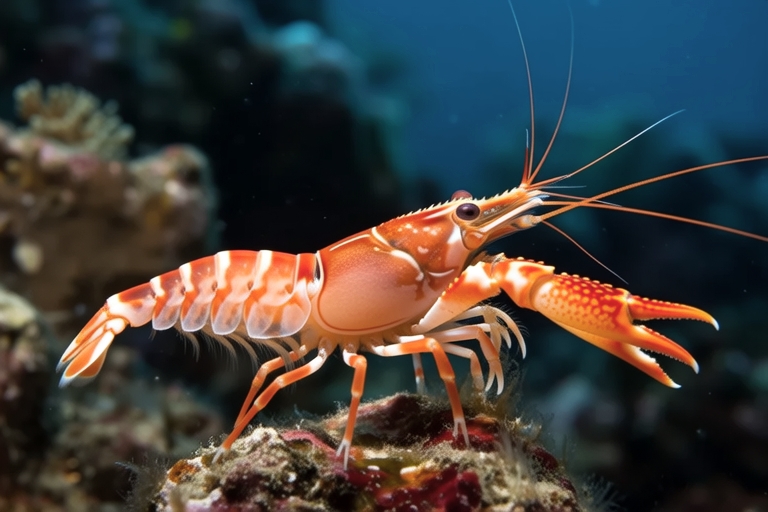
The Ultimate Guide to Choosing and Caring for Healthy Coral Shrimp
Coral shrimp are fascinating creatures that can add color and life to any saltwater aquarium. Their vibrant hues and active behavior make them a favorite among aquarists. However, providing the right environment and care is essential to ensure their health and longevity. This guide will walk you through everything you need to know about choosing, setting up, and caring for healthy coral shrimp.
1. Ideal Tank Setup
Creating the perfect habitat for your coral shrimp involves careful consideration of several factors. First, it’s important to choose a tank size that accommodates their growth and activity level. A minimum of 20 gallons is recommended for a single coral shrimp, but larger tanks are preferable if you plan to keep multiple shrimp or other species.
The substrate should be fine and sandy to mimic their natural environment. Avoid sharp-edged substrates as they can cause injuries. Live rock is also crucial, providing hiding spots and promoting beneficial bacteria that help maintain water quality. Additionally, incorporate various types of live rock to create diverse microhabitats within the tank.
Proper filtration is key to keeping the water clean and free of harmful substances. Choose a filter that suits the tank size and provides adequate mechanical, chemical, and biological filtration. Regular water changes are necessary to maintain optimal water conditions.
2. Water Parameters Crucial for Their Health
Maintaining the correct water parameters is vital for the health of your coral shrimp. The temperature should be kept between 75°F and 82°F (24°C and 28°C). Use a reliable thermometer to monitor the temperature and adjust as needed. The salinity should be around 1.023 to 1.025 specific gravity, which corresponds to 23 to 25 ppt (parts per thousand).
pH levels should range from 8.1 to 8.4. Test kits can help you monitor these levels regularly. Ammonia, nitrite, and nitrate should all be kept at undetectable levels, indicating a stable nitrogen cycle. High levels of these compounds can be toxic to shrimp, so ensure proper filtration and regular maintenance.
3. Dietary Needs
Coral shrimp are omnivorous and require a varied diet to thrive. In the wild, they feed on algae, detritus, and small invertebrates. In captivity, you can provide a mix of fresh and frozen foods such as blanched vegetables, algae wafers, and small pieces of seafood like shrimp, mussels, or squid. It’s essential to offer a balanced diet to meet their nutritional requirements.
Feeding frequency depends on the tank’s bioload and the shrimp’s activity level. Feed them once or twice daily, ensuring that they consume all food within a few minutes to avoid waste. Overfeeding can lead to poor water quality and health issues. Consider supplementing their diet with vitamin-rich flakes or pellets designed for marine invertebrates.
4. Common Diseases and How to Prevent Them
Despite proper care, coral shrimp can still fall ill. Some common ailments include bacterial infections, parasitic infestations, and stress-related disorders. Symptoms may include lethargy, loss of color, abnormal swimming patterns, or visible parasites on the body.
To prevent diseases, quarantine new shrimp for at least two weeks before introducing them to the main tank. This helps identify any potential issues early on. Maintain excellent water quality by performing regular water changes and monitoring parameters. Quarantine sick shrimp immediately to prevent the spread of disease to other inhabitants.
5. Tips for Selecting Healthy Coral Shrimp
When purchasing coral shrimp, look for signs of good health. Healthy shrimp should have vibrant colors, clear eyes, and no signs of injury or disease. They should swim actively and show interest in food. Avoid shrimp that appear lethargic, have cloudy eyes, or display unusual behavior.
Choose reputable breeders or stores known for their high standards of care. Ask about the shrimp’s origin and breeding practices. Healthy shrimp come from environments where they are well-fed and cared for, reducing the risk of introducing diseases into your tank.
6. Advice on Maintaining a Balanced Ecosystem
A balanced ecosystem is crucial for the overall health of your aquarium. Start by establishing a robust biological filter to process waste products effectively. Beneficial bacteria play a vital role in breaking down ammonia and nitrites into less harmful nitrates.
Introduce live rock and macroalgae to promote biological filtration and provide hiding places. Macroalgae also absorb excess nutrients, helping to maintain water clarity. Maintain a consistent light cycle, as many shrimp are nocturnal and benefit from periods of darkness.
Regularly test water parameters and perform partial water changes to keep the environment stable. A well-maintained ecosystem supports the health of all tank inhabitants, including your coral shrimp.
Conclusion
Caring for coral shrimp requires attention to detail and a commitment to providing the best possible environment. By understanding their dietary needs, maintaining optimal water parameters, and preventing diseases, you can ensure that your coral shrimp thrive in your aquarium. With patience and dedication, you’ll enjoy watching these beautiful creatures grow and flourish in their new home.
