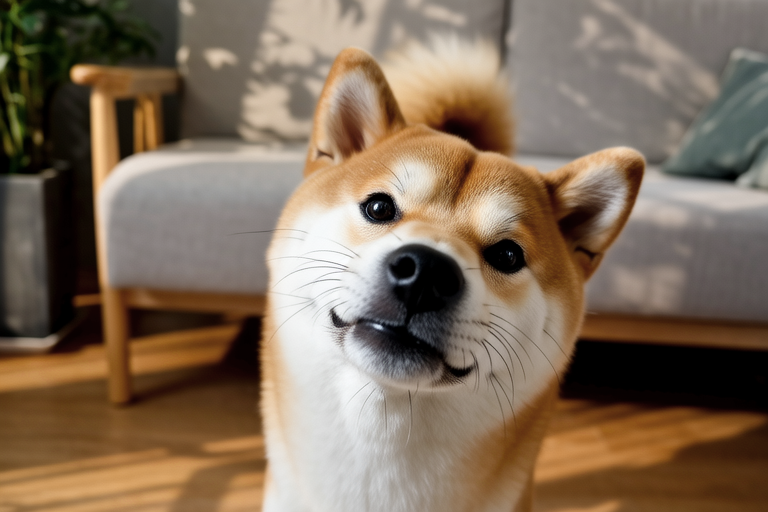
Life with a Shiba Inu: Expectations vs Reality
The Shiba Inu, with its fox-like appearance and spirited personality, has captured the hearts of many dog lovers. Often portrayed as cute, independent, and somewhat mischievous in popular media, these small dogs have become internet sensations. However, the reality of life with a Shiba Inu can be quite different from what many people expect. This article explores the common expectations about Shibas based on popular media or stereotypes and compares them with the realities of owning one.
Expectations: The Adorable, Independent Spirit
In movies, TV shows, and online videos, Shibas are often depicted as adorable, independent spirits that are content to watch the world go by from a cozy spot on the couch. They’re frequently shown as being slightly aloof but still affectionate towards their owners. These portrayals create the expectation that owning a Shiba Inu will be a breeze, with minimal effort required to keep them happy and entertained.
One popular stereotype is that Shibas are low-maintenance pets due to their small size. Many believe they won’t require much space, making them ideal for apartment living. Additionally, the breed’s reputation for being independent suggests they might be less demanding than other breeds when it comes to attention and exercise.
Reality: A High-Energy, Intelligent Breed
While Shibas can indeed be charming and independent, they are far from low-maintenance. In reality, these dogs are high-energy and highly intelligent, which means they require plenty of mental and physical stimulation. Their small size can be deceiving; despite their diminutive stature, Shibas have a lot of stamina and need regular exercise to prevent boredom and destructive behavior.
Personal experience reveals that Shibas are not just content to lounge around. My Shiba, for instance, demands daily walks and playtime. Without sufficient activity, he becomes restless and may engage in behaviors like chewing on furniture or digging up the garden. To keep him satisfied, I’ve had to establish a routine that includes morning and evening walks, along with play sessions in the yard.
Temperament: From Aloof to Affectionate
The popular image of Shibas as aloof creatures who prefer to observe rather than participate in family activities can lead potential owners to underestimate the bond they can form with their humans. While Shibas can be reserved with strangers and other animals, they tend to develop strong attachments to their families.
My Shiba, for example, is fiercely loyal and protective of me and my family. He enjoys cuddling on the couch and following us from room to room, always keeping an eye on his surroundings. Despite his independence, he craves companionship and doesn’t do well when left alone for extended periods. This side of his personality was a pleasant surprise and helped me realize that Shibas can be deeply affectionate once they trust their owners.
Grooming Needs: More Than Just a Weekly Brush
Another common expectation is that Shibas, with their short coats, require minimal grooming. While it’s true that they don’t shed as heavily as some long-haired breeds, they still need regular grooming to maintain their coat’s health and appearance. Twice-weekly brushing helps manage shedding and prevents matting, especially during seasonal changes when they blow their coat.
Additionally, Shibas can be prone to dental issues, so regular teeth cleaning is essential. I’ve found that incorporating dental hygiene into our grooming routine keeps my Shiba’s teeth healthy and reduces the risk of gum disease. Proper grooming also provides an opportunity to check for any skin irritations or signs of illness, ensuring early intervention if necessary.
Intelligence and Training Challenges
Shibas are known for their intelligence, which can be both a blessing and a curse. On one hand, they’re quick learners and can pick up tricks and commands relatively easily. On the other hand, their intelligence makes them prone to becoming bored with repetitive training sessions. Keeping training sessions short and varied is key to maintaining their interest and ensuring they learn effectively.
My Shiba’s intelligence has been both a joy and a challenge. He’s mastered basic commands like sit, stay, and come, but he requires constant engagement to stay focused. One trick I’ve found useful is incorporating games into training sessions, such as hide-and-seek or fetch. This not only makes training more enjoyable for him but also helps build a stronger bond between us.
Advice for Potential Owners
If you’re considering adopting a Shiba Inu, it’s important to go into the relationship with realistic expectations. Here are some tips to help you prepare:
- Understand Their Energy Levels: Be prepared for a high-energy dog that requires regular exercise and mental stimulation. Plan for daily walks, playtime, and interactive toys to keep your Shiba engaged.
- Prepare for Grooming: While Shibas are relatively easy to groom compared to some breeds, they still need regular brushing and occasional baths. Make sure you’re comfortable with the commitment before bringing one home.
- Be Patient with Training: Shibas are intelligent but can be stubborn at times. Use positive reinforcement and keep training sessions fun and engaging to foster a good relationship with your dog.
- Consider Their Independence: While Shibas can be affectionate, they’re not clingy like some other breeds. Respect their need for personal space and give them time to adjust to new environments.
- Research Health Issues: Shibas are generally healthy, but they can be prone to certain conditions like hip dysplasia, patellar luxation, and eye problems. Familiarize yourself with these issues and know what to look for in terms of symptoms.
Owning a Shiba Inu can be a rewarding experience, but it’s important to understand the realities of life with this breed. By setting realistic expectations and preparing for the challenges, you can enjoy a loving and loyal companion for years to come.
