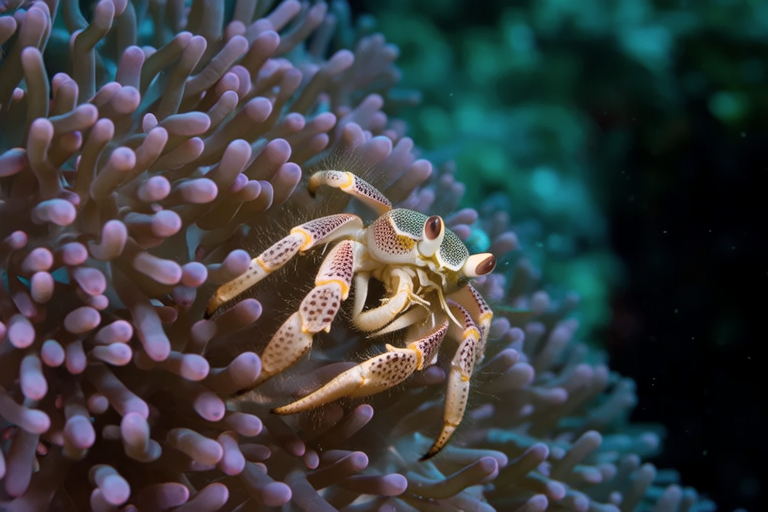
Discover the Unseen World of Pea Crabs: Microscopic Heroes
In the vast and intricate tapestry of marine life, few creatures are as fascinating as the pea crab. These tiny crustaceans, often overlooked by casual observers, play a vital role in their ecosystems. Despite their diminutive size, pea crabs are remarkable for their unique characteristics, complex behaviors, and significant contributions to marine biodiversity. This article delves into the unseen world of pea crabs, exploring their anatomy, habitat, reproduction, and symbiotic relationships, while emphasizing their importance in maintaining ecological balance.
Anatomy and Adaptations
Pea crabs, belonging to the family Pinnotheridae, are characterized by their small size, typically ranging from 3 to 15 millimeters in length. Their bodies are oval-shaped, with soft, flexible shells that allow them to fit snugly inside the hosts they inhabit. The most striking feature of pea crabs is their ability to adapt to their environments. Their elongated legs are perfectly suited for navigating the narrow spaces within their hosts, while their claws are modified for grasping and manipulating food particles.
Their eyes, although small, are highly sensitive to light, enabling them to detect changes in their surroundings. Pea crabs have also developed specialized mouthparts that facilitate filter feeding, a process where they extract nutrients from water currents. This adaptation is crucial for their survival, as it allows them to thrive in environments where food sources may be scarce.
Habitat and Distribution
Pea crabs are found in various aquatic habitats around the world, including coastal waters, estuaries, and even freshwater environments. They are particularly abundant in regions with high biodiversity, such as coral reefs and seagrass beds. These areas provide ample opportunities for pea crabs to establish symbiotic relationships with other marine organisms.
The choice of host is critical for pea crabs, as it determines their survival and reproductive success. Sea cucumbers and barnacles are among the most common hosts for pea crabs. Sea cucumbers, known for their tube-like bodies and leathery skin, offer protection and access to nutrient-rich fluids. Barnacles, on the other hand, provide a secure refuge and a steady supply of planktonic food.
Symbiotic Relationships
The relationship between pea crabs and their hosts is one of mutualism, where both parties benefit. For instance, pea crabs living inside sea cucumbers consume waste products and excess nutrients, aiding in the host’s digestion. In return, the sea cucumber provides shelter and sustenance for the pea crabs. This relationship is mutually beneficial, enhancing the health and survival rates of both organisms.
Barnacles also serve as hosts for pea crabs, but the interaction is slightly different. Pea crabs residing within barnacles assist in cleaning the host by removing parasites and debris. This service helps maintain the barnacle’s health and reproductive capabilities. Additionally, the pea crabs gain protection from predators and a reliable food source.
Reproduction and Life Cycle
The reproductive cycle of pea crabs is closely tied to their symbiotic relationships. Mating typically occurs within the host organism, ensuring that offspring are born in a protected environment. Female pea crabs carry their eggs until they hatch, after which the larvae are released into the water column. These free-swimming larvae drift with ocean currents, eventually settling on a suitable host.
The transition from larva to adult is marked by significant changes in body structure. As they mature, pea crabs develop the specialized features that enable them to live comfortably within their hosts. This transformation is essential for their survival, as it equips them with the tools necessary to thrive in their chosen habitats.
Ecological Importance
Pea crabs play a crucial role in maintaining ecological balance within their ecosystems. By consuming waste products and excess nutrients, they help regulate the health of their hosts and contribute to the overall stability of marine environments. Their presence can also influence the distribution and abundance of other species, creating a ripple effect throughout the food web.
In addition to their direct impact on host organisms, pea crabs indirectly affect the broader ecosystem by influencing nutrient cycling and energy flow. Their activities contribute to the decomposition of organic matter, facilitating the recycling of nutrients back into the environment. This process supports the growth of other marine organisms and ensures the sustainability of marine ecosystems.
Challenges and Conservation
Despite their significance, pea crabs face numerous challenges that threaten their survival. Habitat destruction, pollution, and overfishing are some of the primary threats to these tiny creatures. Changes in water quality and temperature, driven by climate change, also pose significant risks to their well-being. To address these issues, conservation efforts must focus on protecting critical habitats and promoting sustainable practices.
Efforts to conserve pea crabs and their ecosystems should prioritize the preservation of natural habitats and the reduction of human impacts. By raising awareness about the importance of these creatures, we can inspire action to protect them and the diverse communities they support.
Conclusion
The world of pea crabs is a testament to the complexity and beauty of marine life. These microscopic heroes, though small in stature, wield significant influence over their environments. Through their unique adaptations, symbiotic relationships, and vital roles within ecosystems, pea crabs exemplify the interconnectedness of all living things. By understanding and appreciating the unseen world of pea crabs, we gain valuable insights into the delicate balance that sustains our oceans.
