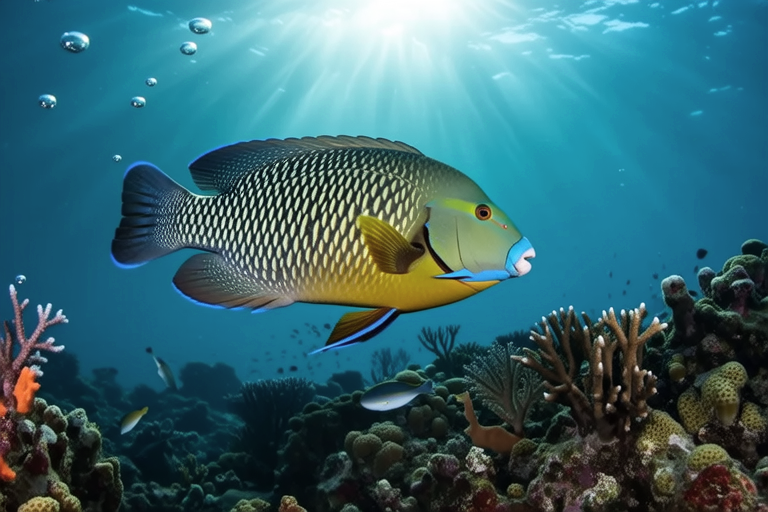
The Vibrant Underwater World of Parrot Fish
Imagine diving into a coral reef, where the water is crystal clear and the sunlight filters through like a magical prism. Suddenly, you spot a kaleidoscope of colors swirling around you. These aren’t just any colors; they’re the dazzling hues of parrot fish. With an array of colors that surpasses any terrestrial rainbow, these creatures are a marvel of nature.
Habitat and Diet
Parrot fish primarily inhabit tropical and subtropical waters around the world, making their homes in coral reefs, rocky shores, and seagrass beds. They thrive in warm, shallow waters where food is abundant and predators are relatively scarce. Coral reefs serve as both a sanctuary and a pantry for these colorful fish. Their diet consists mainly of algae and small organisms found within the coral’s nooks and crannies. Using their beak-like mouths, they scrape off algae from rocks and coral, playing a crucial role in maintaining the health of the reef ecosystem.
Behavior and Social Structure
Parrot fish are generally solitary creatures but can sometimes be seen in small groups. During the day, they actively feed on algae, while at night, they find shelter in crevices or caves. Interestingly, some species of parrot fish undergo dramatic color changes as they mature. Juveniles often have different color patterns compared to adults, which aids in camouflage and protection from predators. Additionally, parrot fish exhibit unique behaviors such as sleeping in a mucus cocoon they secrete to protect themselves from parasites and predators.
Biological Reasons Behind Their Remarkable Coloration
The vivid colors of parrot fish serve multiple purposes. Firstly, they act as a form of camouflage, helping the fish blend into their surroundings among the vibrant corals and seaweeds. Secondly, these colors play a significant role in communication. Males, especially during mating season, display brighter and more intense colors to attract females and intimidate rivals. The intricate patterns and bright hues also help in species recognition, ensuring that individuals of the same species can identify each other easily.
Comparisons to Other Marine Life
While parrot fish are certainly unique in their coloration, they share similarities with other marine animals. For instance, clownfish, known for their vibrant stripes, also rely on color for protection and communication. However, parrot fish take it a step further with their extensive range of colors and patterns. Unlike clownfish, which live symbiotically with sea anemones, parrot fish are free-swimming and rely on their colors for survival in open waters. Comparatively, angelfish, another brightly colored reef dweller, often have similar patterns but lack the beak-like mouth structure that parrot fish possess, which is essential for their feeding habits.
The Role of Color in Survival
The role of color in the survival of parrot fish cannot be overstated. Bright colors can deter predators by signaling toxicity or unpalatability, although this is not the case for all parrot fish. Instead, their colors primarily function as a means of communication and camouflage. In a world where visibility is limited by water depth and clarity, the ability to blend in or stand out can mean the difference between life and death. Moreover, the color changes associated with maturity and breeding cycles ensure that these fish can adapt to various environmental pressures.
Cultural and Ecological Significance
Parrot fish hold significant cultural and ecological importance. In many Pacific Island cultures, parrot fish are revered for their beauty and are often featured in traditional artwork and storytelling. Their role in maintaining the health of coral reefs is vital, as they help control algae growth and promote coral regeneration. Without parrot fish, coral reefs would be overgrown with algae, leading to a decline in biodiversity and ecosystem stability. Thus, the conservation of parrot fish is crucial for the preservation of these delicate underwater ecosystems.
Conclusion
The vibrant underwater world of parrot fish is a testament to the wonders of nature. From their stunning array of colors to their crucial role in maintaining coral reef ecosystems, these fish are truly captivating. As we continue to explore and appreciate the beauty of our oceans, it is essential to remember the importance of protecting these incredible creatures and their habitats. By doing so, we can ensure that future generations will have the opportunity to witness the mesmerizing spectacle of parrot fish in their natural environment.
