The Historical Origins and Evolution of Abyssinian Cats
The Abyssinian cat is a breed with a rich history that stretches back to ancient times. These graceful and intelligent felines have been revered for centuries, playing significant roles in various cultures. From their origins in ancient temples to their current status as cherished companions, Abyssinian cats have captured the hearts of many. This article delves into the historical origins of Abyssinian cats, tracing their roots back to ancient temples and their roles as guardians. It explores archaeological evidence and folklore surrounding these cats in ancient civilizations, transitions into their genetic history, explains theories on their ancestry, and discusses how they came to be known as Abyssinians. The physical characteristics unique to this breed and their evolution over time are highlighted, along with key moments in history that saw them move from sacred animals to companions in modern homes. Insights into their temperament, intelligence, and adaptability are provided, concluding with reflections on the future of the breed, potential challenges, and its enduring appeal to cat enthusiasts worldwide.
Historical Origins and Roles in Ancient Civilizations
Abyssinian cats have a storied past that dates back thousands of years. They are believed to have originated in the region now known as Ethiopia, which was once called Abyssinia. In ancient times, these cats were often found in temples, where they were considered sacred and were entrusted with the task of guarding the premises. Archaeological evidence supports the idea that Abyssinian-like cats were revered in Egypt, where they were mummified and buried alongside their human counterparts. Statues and paintings of cats resembling the modern Abyssinian have been discovered in Egyptian tombs, indicating the importance these animals held in the lives of ancient Egyptians.
Folklore surrounding these cats is abundant. In many tales, Abyssinian cats were seen as divine creatures, possessing magical powers and the ability to communicate with the gods. Their sleek coats and alert demeanor made them ideal candidates for such myths. In addition to their role as temple guardians, these cats were also valued for their hunting prowess. Their agility and sharp instincts made them excellent at catching vermin, a skill that was highly appreciated in agricultural communities.
Genetic History and Ancestry
The genetic history of Abyssinian cats is complex and intriguing. While it is widely accepted that they originated in Ethiopia, the exact lineage of the breed is still a topic of debate among scientists and cat enthusiasts. Some theories suggest that Abyssinian cats are descendants of the Asian wildcat (Felis silvestris ornata), while others propose that they share ancestry with the African wildcat (Felis lybica).
The name “Abyssinian” itself is somewhat misleading, as it does not accurately reflect the cat’s true origin. The breed was named by British breeders in the 19th century, who mistakenly believed that the cats had come from Abyssinia. However, it is now understood that the breed was likely developed through selective breeding of domesticated cats from various regions, including Asia and Africa. The first documented Abyssinian cat in Britain was named Zula, who was brought to England by a British soldier returning from Abyssinia in 1868.
Physical Characteristics and Evolution
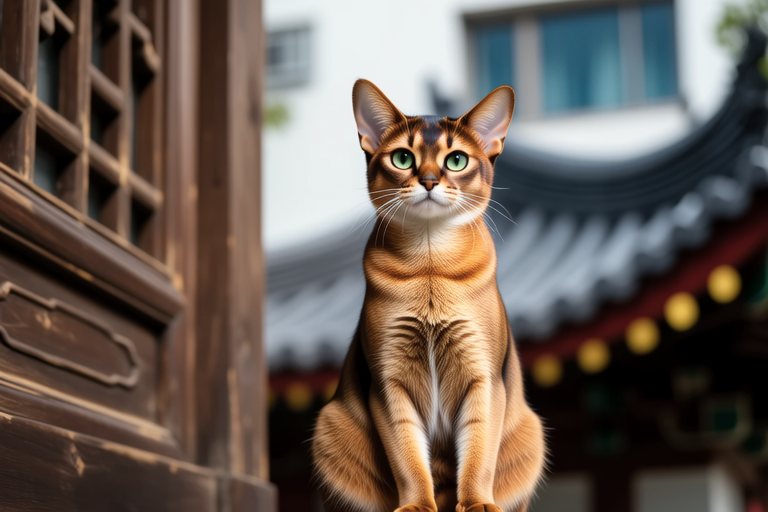
Abyssinian cats are renowned for their striking appearance. They possess a medium-sized, muscular body with long legs and a graceful stance. Their coats are short but plush, with a distinctive ticked or agouti pattern, where each hair has bands of color. The most common colors include ruddy (a reddish-brown base with black ticking), blue (a gray base with blue-black ticking), fawn (a light brown base with chocolate ticking), and cinnamon (a warm reddish-brown base with cinnamon ticking). These colors are the result of a recessive gene that causes the ticking pattern.
Over time, the breed has evolved to develop other unique traits. Their large ears, wide-set eyes, and expressive faces contribute to their charismatic appearance. Abyssinians are also known for their high energy levels and playful nature, which has contributed to their popularity as pets. Their intelligence and curiosity make them highly adaptable to different environments, allowing them to thrive both indoors and outdoors.
Transition from Sacred Animals to Companion Pets
The transition of Abyssinian cats from sacred animals to companion pets is marked by several key moments in history. One significant event was the introduction of the breed to Europe in the 19th century. As trade routes expanded and cultural exchanges became more frequent, Abyssinian cats began to appear in the homes of European nobility. Their exotic appearance and regal demeanor made them desirable pets for those seeking something unique.
In the early 20th century, Abyssinian cats were recognized by cat fancy organizations, leading to the establishment of breeding programs aimed at preserving and improving the breed. The formation of the Abyssinian Cat Club in 1937 further solidified the breed’s status in the world of competitive cat shows. Over time, Abyssinians became increasingly popular as household pets, admired for their beauty, intelligence, and affectionate nature.
Temperament, Intelligence, and Adaptability
Abyssinian cats are known for their friendly and outgoing personalities. They are social animals that enjoy interacting with humans and other pets. Their intelligence and curiosity make them highly trainable, capable of learning tricks and responding to commands. They are also known for their playful nature, often engaging in games and activities that challenge their minds and bodies.
One of the most appealing aspects of Abyssinian cats is their adaptability. They can easily adjust to new environments and situations, making them ideal pets for families or individuals who lead active lifestyles. Their high energy levels mean they require plenty of mental and physical stimulation, so owners must provide them with toys, climbing structures, and opportunities for play.
The Future of the Breed
As with any breed, the future of Abyssinian cats presents both challenges and opportunities. One of the main concerns is maintaining genetic diversity within the breed. Inbreeding can lead to health issues and reduced vitality, so careful breeding practices are essential. Another challenge is ensuring that the breed remains true to its original characteristics while adapting to modern living conditions.
Despite these challenges, the enduring appeal of Abyssinian cats ensures their continued popularity among cat enthusiasts worldwide. Their unique combination of beauty, intelligence, and adaptability makes them an ideal choice for those seeking a loving and engaging pet. As the world of cat breeding continues to evolve, it is likely that Abyssinian cats will remain a beloved and cherished part of many households.
