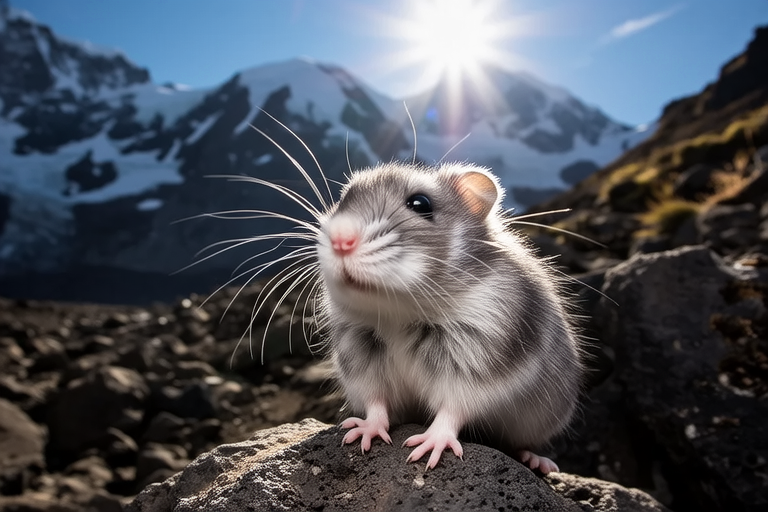
From the Andes to Your Home: The Fascinating Journey of Chinchillas
Welcome to the world of chinchillas, one of nature’s most unique and fascinating creatures. Originating from the high altitudes of the Andes Mountains in South America, these small rodents have captured the hearts of many with their soft fur and playful demeanor. This article will take you through the journey of chinchillas, from their natural habitat in the Andes to your home as cherished pets.
Natural Habitat: A Unique Adaptation
The Andes Mountains, stretching over 7,000 kilometers along the western coast of South America, provide the ideal habitat for chinchillas. These mountains are characterized by their rugged terrain, cold temperatures, and sparse vegetation. Chinchillas have adapted remarkably well to this challenging environment, developing traits that allow them to thrive in such conditions.
One of the most notable adaptations is their dense, soft fur, which acts as insulation against the cold. Their fur is so thick that it has been historically valued for its luxurious texture, leading to significant hunting pressures. Chinchillas also possess large ears and eyes, which enhance their sensory abilities, crucial for survival in their mountainous home. They are nocturnal, active during the cooler night hours, and spend their days resting in rock crevices or burrows.
In the wild, chinchillas are social animals, living in colonies that can number in the hundreds. They communicate through a series of chirps, squeaks, and body language, forming strong bonds within their group. This social behavior is essential for their survival, as they rely on each other for protection from predators such as foxes, birds of prey, and snakes.
Physical Characteristics and Behaviors
Chinchillas are small, weighing between 400 to 600 grams and measuring about 9 to 14 inches in length. Their bodies are compact and covered in long, soft fur, which comes in various shades of gray, brown, and white. Their hind legs are longer than their front legs, allowing them to leap great distances, up to six feet, to escape predators. This agility is one of the reasons why they are known as the best jumpers among rodents.
Chinchillas are meticulous groomers, spending several hours a day cleaning themselves. They do this by taking dust baths, rolling around in fine volcanic ash or pumice powder. This practice helps remove dirt and excess oils from their fur, maintaining its softness and preventing skin problems. In captivity, providing a dust bath is essential for their health and well-being.
Despite their small size, chinchillas are intelligent and curious animals. They enjoy exploring their surroundings and can be trained to perform simple tricks. However, they are sensitive to stress and require a calm, stable environment to thrive.
The History of Domestication
The domestication of chinchillas began in the early 20th century when Chilean scientist, Dr. Mathias F. Chapman, successfully bred the first captive chinchillas in 1918. His efforts were driven by the desire to protect the species from extinction due to overhunting for their valuable fur. Initially, only a few individuals were brought into captivity, making the task of establishing a viable breeding population extremely challenging.
Over the decades, dedicated breeders worked tirelessly to increase the population of domesticated chinchillas. They faced numerous obstacles, including genetic diversity issues and the challenge of replicating the natural environment in captivity. Despite these difficulties, progress was made, and today, there are three main breeds of domesticated chinchillas: Standard, Teddy, and Peruvian, each with distinct physical characteristics.
The process of domestication has not only saved the species but also introduced them to a broader audience, leading to increased interest in keeping them as pets. However, this popularity has also brought new challenges, particularly concerning ethical treatment and proper care.
Breeding and Care in Captivity
Chinchillas in captivity are typically bred for companionship rather than for their fur. Breeding programs focus on ensuring genetic diversity and selecting for desirable traits such as temperament and health. Responsible breeders work closely with veterinarians to maintain the health of their animals and to prevent the spread of diseases.
Caring for chinchillas requires dedication and knowledge. Their diet primarily consists of hay, fresh water, and specialized pellets designed for their nutritional needs. Providing a balanced diet is crucial for their overall health and longevity. Additionally, chinchillas need plenty of space to move around, exercise, and play. A spacious cage with multiple levels and tunnels is ideal, as it mimics their natural habitat and encourages physical activity.
Maintaining a clean and hygienic environment is also vital. Regular cleaning of the cage and providing fresh bedding help prevent respiratory infections and other health issues. Owners must also be aware of common health problems, such as dental issues and gastrointestinal disorders, and seek veterinary care when necessary.
Chinchillas are sensitive to heat, and their living area should be kept cool, ideally below 24 degrees Celsius. Excessive heat can lead to overheating and potentially fatal heatstroke. Therefore, providing adequate ventilation and avoiding direct sunlight is essential.
Tips for Potential Chinchilla Owners
If you’re considering adding a chinchilla to your family, here are some tips to ensure their happiness and well-being:
- Research thoroughly: Before bringing a chinchilla home, learn as much as you can about their care requirements. Understanding their needs will help you provide the best possible environment.
- Choose a reputable breeder: Selecting a breeder who prioritizes the health and welfare of their animals is crucial. Reputable breeders will provide information about the chinchilla’s lineage and any potential health concerns.
- Prepare the living space: Set up a suitable cage with enough room for the chinchilla to move around freely. Include toys and tunnels to keep them entertained and mentally stimulated.
- Provide enrichment: Chinchillas are intelligent and need mental stimulation. Offer puzzles, chew toys, and different types of hay to keep them engaged.
- Handle with care: Chinchillas can be delicate, so handle them gently and always support their back and bottom to avoid injury.
- Monitor health regularly: Keep an eye out for any signs of illness, such as lethargy, loss of appetite, or changes in behavior. Early intervention is key to successful treatment.
The Impact of Responsible Pet Ownership
Responsible pet ownership plays a crucial role in conservation efforts. By choosing to adopt a domesticated chinchilla, you are supporting ethical breeding practices and reducing the demand for wild-caught animals. This, in turn, helps protect the remaining wild populations and their habitats.
Owners can also contribute to conservation by raising awareness about the importance of preserving natural ecosystems. Educating others about the challenges faced by endangered species and the positive impact of responsible pet ownership can inspire action and change.
Furthermore, participating in community initiatives and supporting organizations dedicated to wildlife conservation can make a significant difference. Whether through donations, volunteering, or simply spreading the word, every effort counts in the fight to protect our planet’s biodiversity.
In conclusion, the journey of chinchillas from the Andes to your home is a testament to human ingenuity and the power of responsible pet ownership. By understanding and meeting their needs, we can ensure that these fascinating creatures continue to thrive both in the wild and in our homes. Let us embrace our role as custodians of the earth and do our part in preserving the beauty and wonder of the natural world.
