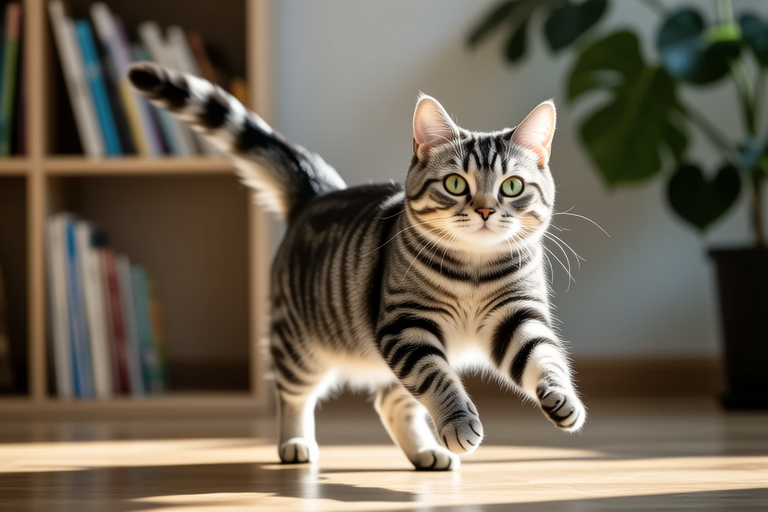
Living with Munchkins: Tips for Owning This Special Breed
Welcome to the world of Munchkin cats, a breed that has captured the hearts of many cat enthusiasts with its unique charm and endearing personality. These adorable felines have become increasingly popular since their discovery in Louisiana in 1983. Their most striking feature is their short legs, which give them a distinctively low-slung appearance. However, Munchkins are more than just a novelty; they are loving companions with specific needs and characteristics that make them a delightful addition to any household.
Unique Characteristics of Munchkins
Munchkin cats come in a variety of colors and patterns, but what truly sets them apart is their disproportionately short legs. Despite their stubby limbs, Munchkins are surprisingly agile and can run at impressive speeds. They can leap and jump like regular cats, thanks to their strong back legs. Their bodies are compact and muscular, and their tails are often longer in proportion to their bodies. Their heads are rounded, with large, expressive eyes that seem to reflect their curious and intelligent nature.
Their temperament is as captivating as their appearance. Munchkins are known for their playful and affectionate personalities. They enjoy interacting with their human families and are often found following their owners around the house, seeking attention and companionship. Their curiosity makes them excellent explorers, always ready to investigate new sights, sounds, and smells. Munchkins are also known for their gentle and patient demeanor, making them ideal companions for children and other pets.
Physical Traits and Common Health Concerns
One of the most notable physical traits of Munchkins is their short legs, which are caused by a genetic mutation. While this trait gives them their distinctive appearance, it can also lead to certain health issues. Some Munchkins may experience joint problems, such as arthritis, due to the strain placed on their skeletal structure. Regular veterinary check-ups are essential to monitor their health and catch any potential issues early. It’s important to provide them with soft bedding and support cushions to ease any discomfort.
In addition to their physical characteristics, Munchkins are generally healthy cats. They have a robust immune system and are less prone to common cat ailments. However, as with any breed, proper nutrition and regular healthcare are crucial to maintaining their well-being. Providing a balanced diet and ensuring they receive all necessary vaccinations and treatments will help keep your Munchkin happy and healthy.
Caring for Your Munchkin
Dietary Needs
Feeding your Munchkin a nutritious and balanced diet is vital for their overall health. Choose high-quality cat food that meets their nutritional requirements. Consult with your veterinarian to determine the best diet for your cat based on their age, weight, and activity level. Munchkins, like all cats, require a diet rich in protein, vitamins, and minerals to maintain muscle mass and energy levels. Avoid feeding them table scraps or human food, as these can be harmful and lead to obesity.
Exercise and Playtime
Despite their short legs, Munchkins are full of energy and require regular exercise to stay fit and healthy. Encourage playtime with interactive toys, such as feather wands or laser pointers, to stimulate their minds and bodies. Provide climbing structures or tunnels to satisfy their natural instincts for exploration and climbing. Engaging in play sessions several times a day will help your Munchkin burn off excess energy and strengthen the bond between you and your pet.
Grooming Needs
Munchkins have short, fine coats that require minimal grooming. However, regular brushing can help remove loose hair and prevent matting. Pay special attention to their shorter legs, as dirt and debris can accumulate more easily. Bathing is usually unnecessary unless your Munchkin gets particularly dirty. Keep their claws trimmed to prevent scratching and ensure their nails don’t grow too long. Regular dental care, including tooth brushing and providing chew toys, will help maintain their oral health.
Creating a Safe and Comfortable Living Environment
Providing a safe and comfortable living environment is essential for your Munchkin’s well-being. Ensure that your home is free of hazards, such as small objects that could be swallowed or toxic plants. Install baby gates to prevent access to dangerous areas, such as stairways or rooms with open windows. Provide cozy sleeping spots, preferably elevated, to allow your Munchkin to feel secure and comfortable. Consider placing ramps or steps to help them reach higher surfaces, as their short legs may make it challenging to climb.
Munchkins thrive in environments where they feel loved and cared for. Spend quality time with your Munchkin every day, offering them attention, affection, and interaction. Establish routines that include playtime, feeding, and grooming to create a sense of security and predictability. A calm and stable home environment will contribute to your Munchkin’s happiness and overall health.
Socializing Munchkins with Children and Other Pets
Munchkins are known for their friendly and sociable nature, making them great companions for children and other pets. Introduce your Munchkin to children gradually, allowing them to become familiar with each other’s presence. Teach children how to handle and interact with the cat gently and respectfully. Supervise interactions to ensure both the child and the cat are comfortable and safe.
If you have other pets in the household, introduce your Munchkin carefully and under supervision. Allow them to get used to each other’s scents and behaviors before leaving them alone together. Munchkins tend to coexist well with other animals, but it’s essential to establish boundaries and monitor their interactions to prevent conflicts. With proper introductions and guidance, your Munchkin can form harmonious relationships with other pets.
Anecdotes from Munchkin Owners
To conclude, let’s hear from some Munchkin owners who share their experiences and insights:
“My Munchkin, Luna, is the life of our household. She’s always up for a game of fetch and loves to chase after toy mice. Her short legs make her look like a little puppy, but she’s as agile as any cat I’ve ever seen.”
– Sarah, Munchkin owner
“Our Munchkin, Oliver, is the perfect family pet. He’s so gentle and patient with our young children. We’ve never had a problem with him being around the kids, and he’s always there to comfort them when they’re upset.”
– John, Munchkin owner
Living with a Munchkin cat is a rewarding experience filled with love, laughter, and cherished moments. By understanding their unique needs and providing them with the care and attention they deserve, you can ensure a happy and fulfilling life for your Munchkin companion. Embrace the joy of sharing your home with one of these special cats, and you’ll find yourself surrounded by endless affection and loyalty.
