Meet the Marine Maestros: Why Parrot Fish Are More Than Just Pretty Faces
In the vast and colorful world beneath the ocean’s surface, few creatures capture the imagination quite like the parrot fish. These marine marvels, with their vibrant hues and unique appearance, are not only a sight to behold but also play a crucial role in maintaining the health of coral reefs. From their fascinating sleeping habits to their intricate social behaviors, parrot fish are more than just pretty faces. This article delves into the lives of these marine maestros, revealing why they deserve our admiration and protection.
The Vivid World of Parrot Fish
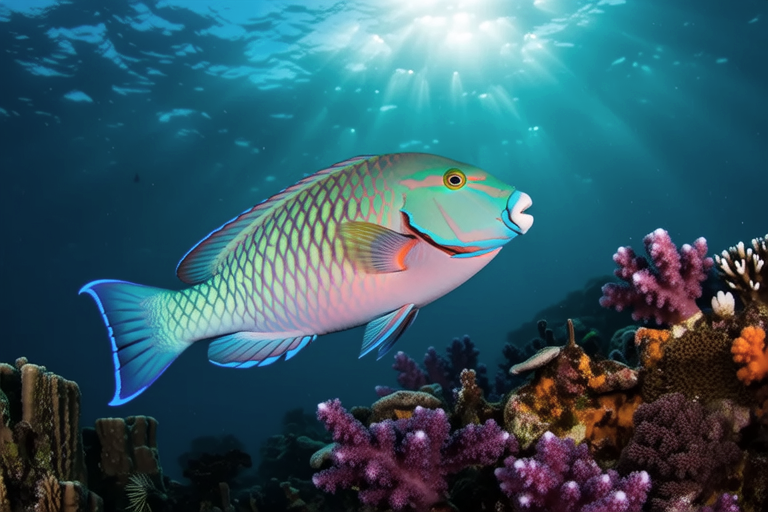
Parrot fish are known for their striking colors and unique appearance, making them one of the most recognizable inhabitants of coral reefs. Their bodies are often adorned with shades of blue, green, yellow, and red, creating a mesmerizing spectacle as they swim through the water. Some species, such as the Queen parrot fish, display a dazzling array of colors that change as they age or during mating season. The males, in particular, exhibit a vivid palette of hues, while females tend to have more subdued tones.
Not only are parrot fish visually stunning, but their physical features are also quite distinctive. Their large, beak-like mouths are equipped with strong teeth that allow them to scrape algae off rocks and coral. The beak is supported by thick jaw muscles, giving them the ability to consume large amounts of algae each day. Their eyes, set high on their heads, provide excellent peripheral vision, helping them avoid predators and navigate their complex underwater environment.
The Role of Parrot Fish in Marine Ecosystems
Beyond their aesthetic appeal, parrot fish play a critical role in maintaining the health of coral reefs. One of their most important functions is their grazing behavior, which helps control the growth of algae. Coral reefs are delicate ecosystems, and an overgrowth of algae can smother the corals, preventing them from receiving sunlight and nutrients necessary for survival. By feeding on algae, parrot fish help keep the reefs clean and healthy, ensuring that corals can thrive.
The waste produced by parrot fish also contributes to the ecosystem. As they digest the algae, they excrete fine sand, which is essential for building and maintaining the structure of many tropical beaches. This process, known as biogenic sediment production, highlights the interconnectedness of marine life and the environments they inhabit. Without parrot fish, the sandy beaches that we enjoy would look very different.
Fascinating Sleeping Habits
One of the most intriguing aspects of parrot fish is their sleeping habits. To protect themselves from predators, parrot fish produce a mucous cocoon before they sleep. This transparent, gelatinous cocoon serves as both a barrier and a camouflage, masking the fish’s scent and reducing the chances of detection by nocturnal hunters. The cocoon is made by secreting mucus from glands located near the gills, and it is thought to deter parasites and small predators.
This nightly ritual is a testament to the ingenuity of nature, showcasing the ways in which marine creatures have adapted to survive in challenging environments. Watching a parrot fish create its cocoon is like witnessing a miniature miracle unfold, a moment of wonder that underscores the complexity of life in the ocean.
Social Behaviors and Communication
Parrot fish are also known for their social behaviors and methods of communication. They often live in groups, swimming together in synchronized movements that can appear almost choreographed. These schools, which can range from a few individuals to hundreds, provide safety in numbers, helping to deter potential threats.
Communication among parrot fish is primarily non-verbal, relying on body language and visual cues. Changes in coloration can signal aggression, submission, or readiness to mate. During courtship, males will display vibrant colors and perform elaborate dances to attract females. Once a pair has formed, they may engage in a brief spawning ritual where eggs and sperm are released into the water for external fertilization.
Despite their seemingly peaceful interactions, parrot fish can also exhibit aggressive behavior, especially when defending territory or competing for mates. These conflicts are usually short-lived and resolved without significant injury, demonstrating the balance between cooperation and competition within their social structures.
The Importance of Conservation
As with many marine species, parrot fish face numerous threats that challenge their survival. Overfishing, habitat destruction, and pollution are some of the primary dangers they encounter. The depletion of parrot fish populations can lead to an imbalance in coral reef ecosystems, as the absence of these key grazers allows algae to overgrow unchecked.
Conservation efforts are crucial to ensure the continued existence of parrot fish and the health of the marine environments they inhabit. Marine protected areas, sustainable fishing practices, and public education campaigns are all essential components of these efforts. By supporting conservation initiatives and raising awareness about the importance of parrot fish, we can help safeguard these remarkable creatures for future generations.
Encouragingly, there are signs of progress in some regions where conservation measures have been implemented. For instance, the establishment of no-fishing zones around certain coral reefs has led to increases in parrot fish populations and improvements in reef health. Such successes underscore the positive impact that targeted conservation strategies can have.
Conclusion
Parrot fish are more than just pretty faces; they are vital contributors to the marine ecosystems that sustain life on our planet. From their vibrant colors and unique appearance to their crucial role in coral reef health and their fascinating sleeping habits, these marine maestros offer a wealth of wonder and inspiration. By appreciating parrot fish for their ecological significance and supporting conservation efforts, we can help ensure their continued presence in our oceans.
Next time you gaze at a parrot fish, take a moment to consider the intricate web of life they are part of. Let their beauty remind you of the importance of protecting our oceans and the incredible diversity they hold. Together, we can make a difference and secure a future where parrot fish continue to grace our seas with their presence.
