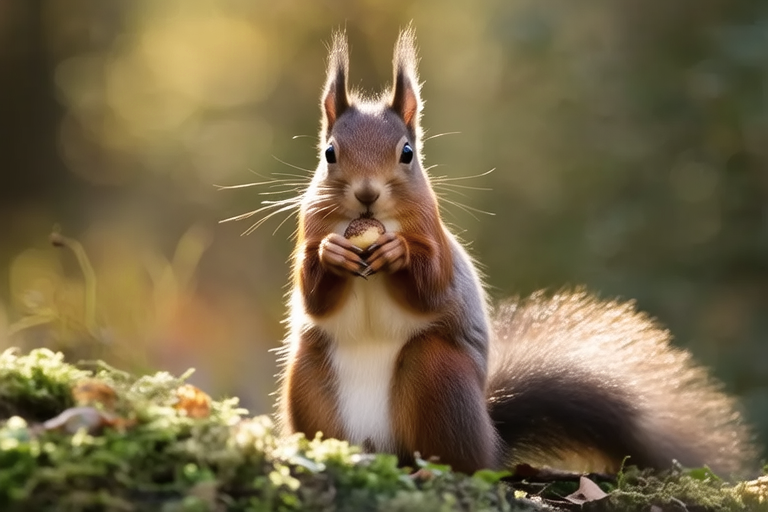
The Nutty Truth: Unraveling the Secrets Behind Squirrel Behavior
Squirrels, those agile and often cheeky creatures, are a common sight in both urban and rural landscapes. From bustling city parks to serene countryside forests, these small mammals play a crucial ecological role. Their ubiquity is not merely a testament to their adaptability but also to their importance in maintaining the balance of ecosystems.
The Ecological Role of Squirrels
As seed dispersers, squirrels contribute significantly to forest regeneration. By burying seeds, they inadvertently plant new trees and shrubs, thus aiding in the restoration and expansion of habitats. This behavior not only benefits the squirrels themselves but also supports the myriad species that depend on these plants for shelter and sustenance.
Dietary Preferences and Habitat Selection
Their diet primarily consists of nuts, seeds, fruits, and fungi, which shape their behavior and habitat preferences. Nuts, particularly acorns, are a favorite among squirrels, providing them with essential nutrients and energy. This dietary preference influences their habitat selection, leading them to areas rich in nut-producing trees like oak and walnut. In return, their consumption and subsequent caching of nuts aid in the germination of new trees, further enriching their environment.
Communication Methods and Social Structures
Squirrels communicate through a complex system of body language and vocalizations. They use tail flicks and postures to signal danger or assert dominance. Vocalizations range from soft chirps to loud barks, each conveying specific messages about threats, mating opportunities, or territorial boundaries. Despite their solitary nature, squirrels exhibit social behaviors during mating season and occasionally share resources, forming temporary bonds.
Caching Habits: Strategic Storage for Survival
One of the most intriguing aspects of squirrel behavior is their caching habit. Squirrels strategically store surplus food for leaner times, ensuring their survival during winter or periods of scarcity. This behavior involves burying nuts in various locations, sometimes forgetting where they’ve hidden them. While this may seem wasteful, it contributes to the distribution of seeds across different areas, promoting biodiversity.
Challenges Faced by Squirrels
Despite their adaptability, squirrels face numerous challenges. Predators such as hawks, foxes, and domestic cats pose significant threats. Human activities, including deforestation and urbanization, disrupt their habitats, forcing them to adapt to new environments. Additionally, climate change impacts the availability of food sources and alters their breeding cycles, adding to the pressures they endure.
Enhancing Coexistence Between Humans and Wildlife
Understanding squirrel behavior can foster better coexistence between humans and wildlife. By appreciating their ecological role and learning about their needs, we can implement strategies to minimize conflicts. Creating squirrel-friendly gardens, providing bird feeders, and practicing responsible pet ownership are simple steps that can make a significant difference. Educating the public about the importance of these animals and encouraging community involvement in conservation efforts can lead to a harmonious relationship.
