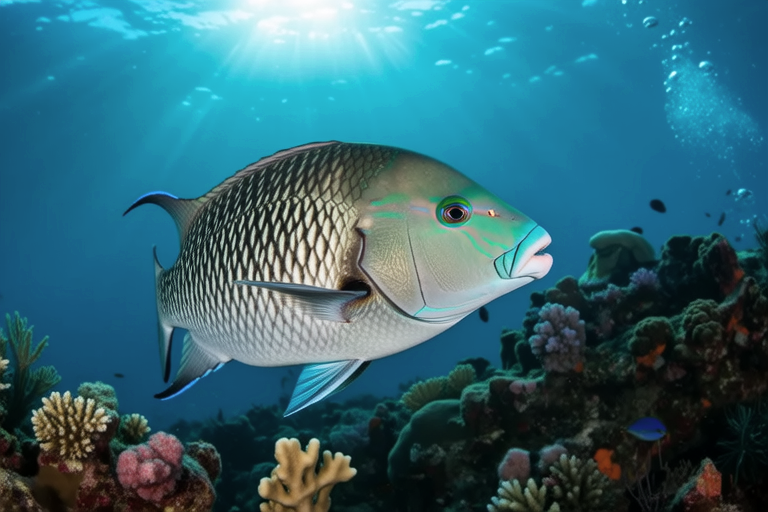
Unraveling the Mysteries of Parrot Fish: Nature’s Underwater Artists
The ocean teems with life, and among its diverse inhabitants, the parrot fish stands out as a fascinating species. Known for their vibrant colors and distinctive beak-like mouths, these fish play a vital role in maintaining the health of coral reef ecosystems. This article delves into the unique characteristics of parrot fish, their ecological significance, and the challenges they face.
The Unique Appearance and Role of Parrot Fish
Parrot fish are named for their striking resemblance to parrots. Their colorful scales range from bright blues and greens to vivid oranges and reds, creating a mesmerizing underwater spectacle. These fish belong to the family Scaridae, which includes approximately 90 species distributed across tropical and subtropical waters worldwide. Their primary habitat is coral reefs, where they contribute significantly to the ecosystem’s balance.
Their unique beak-like mouth, formed by fused teeth, allows them to scrape algae off rocks and coral surfaces. This feeding behavior plays a crucial role in maintaining the health of coral reefs. By grazing on algae, parrot fish prevent overgrowth that could otherwise smother corals and hinder their growth. Additionally, their excretions provide nutrients for reef-building organisms, further supporting the complex web of life within these ecosystems.
Remarkable Ability to Change Color and Sex
One of the most intriguing aspects of parrot fish is their ability to change color and sex during their lifecycle. Juvenile parrot fish often exhibit drab, camouflage-like colors to avoid predation. As they mature, their hues become more vibrant, signaling their readiness to reproduce. The transformation process is influenced by environmental factors and social interactions within the group.
Sexual dimorphism is another fascinating feature of parrot fish. Many species can change sex, a phenomenon known as sequential hermaphroditism. Initially, most parrot fish are born female (protogyny), but some can transition to males under specific conditions. This flexibility ensures genetic diversity and population stability within their communities. Understanding this complex reproductive strategy requires detailed study, offering insights into evolutionary biology and adaptation.
The Process of Sleep and Mucus Cocoon Secretion
Parrot fish have an unusual sleeping habit that sets them apart from other marine creatures. Each night, they secrete a thick layer of mucus around themselves before resting. This mucus cocoon serves multiple purposes: it masks their scent from predators, provides protection against parasites, and even helps regulate their body temperature. Scientists believe this behavior evolved as a defense mechanism against nocturnal threats in the ocean.
The process of cocoon creation involves specialized glands near the tail fin that produce the mucus. Once secreted, the fish spins in circles, ensuring an even distribution of the substance. Afterward, they settle down to rest, hidden beneath their protective barrier until morning. Observing this nightly ritual underscores the intricate adaptations that allow parrot fish to thrive in their challenging environment.
Diet and Impact on Coral Reefs
The diet of parrot fish primarily consists of algae growing on coral reefs. Using their powerful beaks, they scrape away layers of algae, which can accumulate rapidly if left unchecked. This activity not only keeps the reef clean but also stimulates coral growth by removing competing organisms. However, excessive grazing can sometimes lead to coral damage, especially when populations grow too large or when certain species dominate.
Despite potential drawbacks, the overall impact of parrot fish on coral reefs is overwhelmingly positive. They help maintain the delicate balance necessary for healthy reef ecosystems. Without them, algae might overgrow, leading to coral death and reduced biodiversity. Thus, studying their dietary habits and managing their numbers are essential for preserving these vital habitats.
Threats and Conservation Efforts
Unfortunately, parrot fish face numerous threats that jeopardize their survival and the ecosystems they support. Overfishing remains one of the most significant dangers, driven by high demand for their flavorful meat. Habitat destruction caused by climate change, pollution, and coastal development also poses serious risks. Additionally, some fishing practices, such as blast fishing and cyanide poisoning, directly harm both the fish and their environments.
To address these challenges, various conservation initiatives have been implemented globally. Marine protected areas (MPAs) provide safe havens where parrot fish can reproduce and thrive without human interference. Educational programs raise awareness about the importance of sustainable fishing practices and encourage responsible tourism. Furthermore, research continues to deepen our understanding of parrot fish ecology, informing effective management strategies.
The Importance of Understanding Parrot Fish
Understanding parrot fish is crucial for marine biodiversity because they serve as key indicators of reef health. Their presence and abundance reflect the overall condition of coral ecosystems. By monitoring changes in parrot fish populations, scientists can detect early signs of environmental stress and take corrective actions before irreversible damage occurs.
Moreover, unraveling the mysteries surrounding parrot fish contributes to broader scientific knowledge. Studying their unique adaptations offers valuable lessons about evolution, ecology, and conservation. As we continue to explore the depths of our oceans, every discovery brings us closer to comprehending the interconnectedness of life beneath the waves.
In conclusion, parrot fish are more than just beautiful additions to our seas; they are vital components of marine ecosystems. Their ability to change color and sex, create protective mucus cocoons, and influence coral reef dynamics showcases nature’s ingenuity. Protecting these “underwater artists” ensures the preservation of biodiversity and the health of our planet’s oceans. Let us strive to learn from them and work together to safeguard their future.
