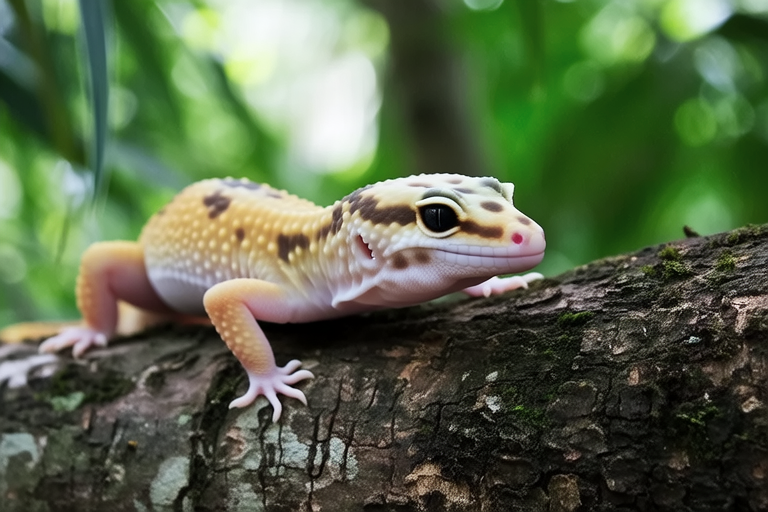
Chameleon Care 101: Everything New Owners Should Know Before They Begin
Welcome to the wonderful world of chameleons! These fascinating creatures have captivated humans with their unique ability to change colors and their striking appearance. However, before you bring your first chameleon home, it’s crucial to understand the specific needs of these exotic pets. This guide will walk you through everything you need to know to provide a healthy and happy life for your chameleon.
Habitat Setup
The first step in chameleon care is setting up the right environment. Chameleons require a spacious and well-ventilated enclosure that mimics their natural habitat.
Enclosure Size
For most chameleons, a minimum enclosure size of 24 inches wide, 24 inches deep, and 48 inches tall is recommended. Larger enclosures are better as they allow more space for climbing and movement. Avoid glass tanks; instead, opt for mesh-sided enclosures to ensure proper ventilation.
Lighting
Proper lighting is essential for chameleons’ health. UVB light is necessary for calcium absorption and bone development. Use a high-quality UVB bulb designed for reptiles and replace it every six months. Place the bulb at the top of the enclosure, ensuring it covers at least 70% of the tank. Additionally, a basking lamp can be used to maintain optimal temperatures.
Temperature
Chameleons are ectothermic, meaning they rely on external heat sources to regulate their body temperature. The enclosure should have a temperature gradient, ranging from 75°F to 95°F during the day, with a drop to 65°F to 75°F at night. Install thermometers and hygrometers to monitor temperature and humidity levels accurately.
Humidity
Maintaining the right humidity level is crucial for your chameleon’s respiratory health. Aim for 50% to 70% humidity during the day, which can be achieved by misting the enclosure several times daily or using a drip system. At night, humidity can drop slightly but should not fall below 40%. Ensure the enclosure has good airflow to prevent stagnant air.
Diet Specifics
Chameleons are insectivores, meaning their diet consists primarily of insects. It’s important to offer a variety of appropriately sized prey items to ensure a balanced diet.
Insects
Feeder insects such as crickets, dubia roaches, and mealworms are commonly fed to chameleons. Dust the insects with a calcium supplement without vitamin D3 and a multivitamin supplement once or twice a week. Offer insects daily, but avoid overfeeding, as excess food can lead to obesity.
Water
Chameleons obtain most of their water from the moisture in their environment and the food they eat. However, it’s essential to provide a constant source of clean water. Mist the enclosure regularly, and place a shallow water dish at the bottom of the enclosure. Some chameleons may drink from water droplets on leaves, so misting is particularly beneficial.
Handling Tips
Chameleons are not social animals and do not enjoy being handled frequently. They are best observed from a distance rather than held. If you need to handle your chameleon, follow these guidelines:
- Wash your hands: Before handling, always wash your hands to avoid transferring oils or bacteria.
- Use a net: Gently scoop your chameleon into a net to minimize stress.
- Keep interactions short: Limit handling sessions to no more than a few minutes.
- Handle with care: Support the chameleon’s body and avoid squeezing or restraining it.
Health Concerns
Like any pet, chameleons can face various health issues. Early detection and prevention are key to maintaining your chameleon’s well-being.
Mouth Rot
Mouth rot, also known as infectious stomatitis, is a bacterial infection that can cause swelling, redness, and discharge around the mouth. Keep the enclosure clean and provide a balanced diet to prevent this condition.
Metabolic Bone Disease
Metabolic bone disease (MBD) occurs when calcium levels are insufficient, leading to weakened bones and deformities. Ensure adequate UVB lighting and calcium supplementation to prevent MBD.
Respiratory Infections
High humidity and poor ventilation can lead to respiratory infections. Monitor humidity levels and ensure proper airflow to prevent these infections.
Common Myths About Chameleons
There are many misconceptions about chameleons that can lead to improper care. Let’s debunk some of these myths:
Myth 1: Chameleons Change Color to Match Their Environment
Contrary to popular belief, chameleons change color to communicate emotions, regulate body temperature, and signal mating readiness. They do not change color to blend into their surroundings.
Myth 2: Chameleons Can Survive on a Diet of Crickets Alone
While crickets are a staple in a chameleon’s diet, they should not be the only food source. A varied diet that includes other insects and occasional plant matter is essential for their overall health.
Myth 3: Chameleons Need Constant Handling
Chameleons are solitary creatures and do not enjoy frequent handling. They are best observed from a distance rather than being handled regularly.
Your Responsibility as a Chameleon Owner
Owning a chameleon is a significant responsibility that requires commitment and dedication. Providing a suitable habitat, a balanced diet, and regular veterinary check-ups are just a few aspects of responsible chameleon ownership. Always research and learn about your chameleon’s specific needs and be prepared to adapt as your chameleon grows and changes.
By following the advice in this guide, you’ll be well on your way to providing a safe and enriching environment for your chameleon. Remember, the happiness and health of your chameleon depend on your commitment to learning and providing the best care possible. Happy chameleon keeping!
