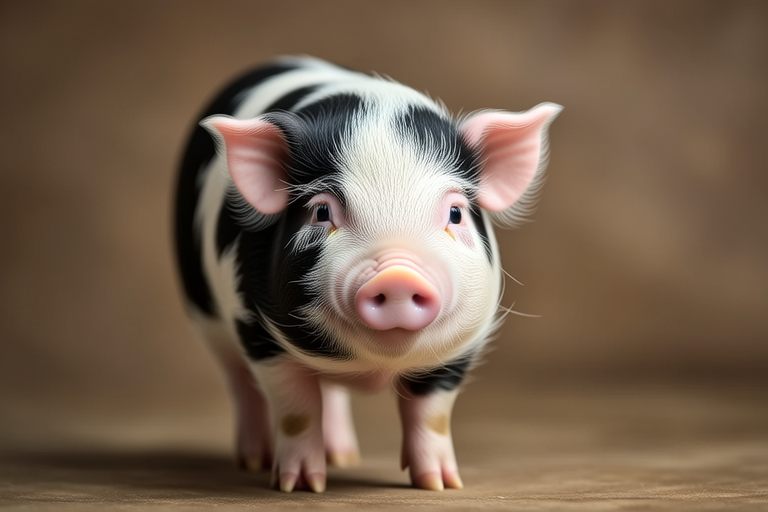
Top 10 Surprising Facts About Guinea Pigs You Didn’t Know
Guinea pigs, often called cavies, are popular pets known for their gentle nature and entertaining behaviors. While many people think they know all there is to know about these small mammals, there are several surprising facts that might pique your interest. From their rich history to their unique dietary needs, these creatures have a lot more to offer than meets the eye. Let’s dive into the top ten surprising facts about guinea pigs you probably didn’t know.
1. Guinea Pigs Were Originally Kept as Food
Believe it or not, guinea pigs were initially domesticated for food in South America. The Inca civilization valued them highly for their meat, and they were even used as offerings in religious ceremonies. It wasn’t until European explorers brought them back to Europe that they became popular as pets. Today, guinea pigs are primarily kept as companions, though some cultures still consume them.
2. They Have an Amazing Sense of Smell
Guinea pigs have a keen sense of smell, which they rely on heavily for survival. Their olfactory system is so advanced that they can detect predators and identify safe areas. This heightened sense also plays a crucial role in finding food. Pet owners can take advantage of this by using treats with distinct smells to train their guinea pigs effectively.
3. Guinea Pigs Are Social Creatures
Contrary to popular belief, guinea pigs are social animals that thrive in groups. In the wild, they live in colonies where they interact, play, and protect one another. As pets, they benefit greatly from having companionship. If you’re considering getting a guinea pig, it’s advisable to get at least two to ensure they remain happy and healthy.
4. They Communicate Through Vocalizations
Guinea pigs are quite vocal and use various sounds to communicate. They can make purring, squeaking, and chirping noises, each with its own meaning. For instance, purring typically indicates contentment, while a high-pitched squeal might signal fear or pain. Understanding these vocal cues can help you better care for your guinea pig and respond to their needs.
5. Guinea Pigs Require Vitamin C Daily
Unlike most animals, guinea pigs cannot produce vitamin C on their own, making it essential for their diet. A deficiency in vitamin C can lead to scurvy, a condition characterized by bleeding gums, lethargy, and loss of appetite. To prevent this, it’s important to include vitamin C-rich foods like bell peppers, oranges, and strawberries in their diet. Supplements can also be provided if necessary.
6. They Can Learn Simple Tricks
Despite their small size, guinea pigs are intelligent and capable of learning simple tricks. With patience and positive reinforcement, you can teach your guinea pig to come when called, jump through hoops, or even fetch small objects. Training sessions should be short and fun to keep your pet engaged and motivated.
7. Guinea Pigs Have Unique Teeth
One of the most distinctive features of guinea pigs is their continuously growing teeth. Unlike humans, whose teeth stop growing after a certain age, guinea pigs’ teeth grow throughout their lives. This is why it’s crucial to provide them with chew toys and hay to help wear down their teeth naturally. Overgrown teeth can cause health issues, including difficulty eating.
8. They Have a Long History as Pets
The history of guinea pigs as pets dates back centuries. They were first introduced to Europe in the 16th century and quickly became favorites among the nobility. Over time, they gained popularity as household pets due to their docile nature and ease of care. Today, they remain one of the most beloved pets worldwide.
9. Guinea Pigs Can Live Up to 8 Years
With proper care, guinea pigs can live up to eight years, although the average lifespan is around five to six years. Factors such as diet, environment, and veterinary care significantly impact their longevity. Providing a spacious living area, a balanced diet, and regular check-ups with a veterinarian can help ensure your guinea pig enjoys a long, healthy life.
10. They Can Be Affectionate Toward Humans
While guinea pigs are social with their own kind, they can also form strong bonds with humans. Many guinea pigs enjoy being petted and held, especially if they are handled gently and regularly. However, it’s important to respect their boundaries and avoid picking them up too roughly, as this can cause stress.
Summary: The Uniqueness of Guinea Pigs as Pets
Guinea pigs are fascinating creatures with a rich history and unique characteristics that make them exceptional pets. From their social nature and need for companionship to their dietary requirements and ability to learn tricks, there’s always something new to discover about these charming little animals. By understanding and meeting their specific needs, you can provide a loving home for your guinea pig and enjoy many years of companionship.
