Unlocking the Secrets of the Fascinating Three-Striped Box Turtle Habitat
The three-striped box turtle (Trachemys scripta trinacris) is a captivating species known for its distinct physical traits and intriguing behaviors. This article delves into the unique characteristics of this turtle, explores its natural habitat, and provides guidance on creating an optimal environment for those keeping them as pets.
Unique Characteristics of the Three-Striped Box Turtle
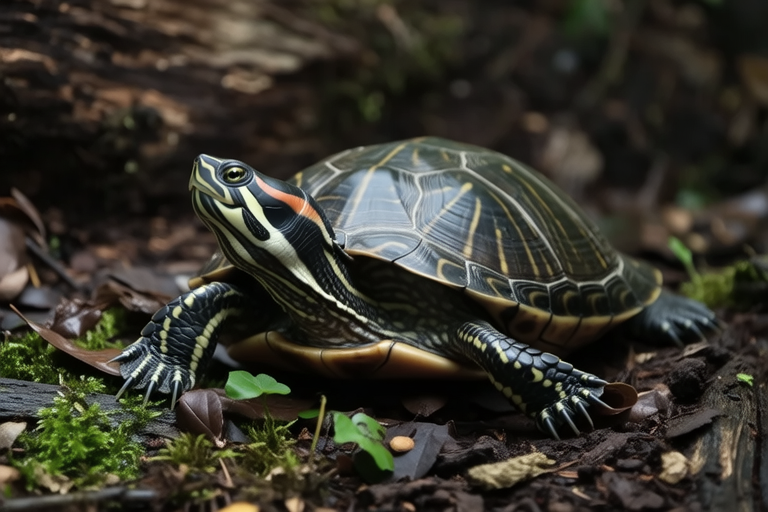
One of the most striking features of the three-striped box turtle is the three yellow stripes that run down its head and neck, hence its name. These markings serve as camouflage, helping the turtle blend into its surroundings. Additionally, like all box turtles, it has a hinged plastron that allows it to close its shell completely when threatened, providing excellent protection against predators.
These turtles are relatively small, reaching lengths of about 4 to 6 inches. Their shells can be brown or black with varying degrees of red, orange, and yellow markings, adding to their aesthetic appeal. The three-striped box turtle is also known for its longevity, with some individuals living up to 30 years or more in captivity.
Natural Habitat: Preferred Climates, Terrains, and Ecosystems
The three-striped box turtle is native to parts of southern Europe, particularly Italy and Greece. It thrives in warm, temperate regions characterized by mild winters and hot summers. These turtles prefer environments with plenty of sunlight but also have access to shaded areas where they can retreat during the hottest parts of the day.
In terms of terrain, they favor habitats such as meadows, forests, and grasslands. These areas provide ample opportunities for foraging and basking. Wetlands and streams are also important components of their natural habitat, offering both water sources and breeding grounds. The turtles often burrow into the soil during dry periods or harsh weather conditions, which underscores the importance of having suitable substrate in captivity.
Creating a Suitable Habitat for Captive Three-Striped Box Turtles
Mimicking the natural habitat as closely as possible is crucial for the health and happiness of captive three-striped box turtles. This involves careful consideration of several key factors:
- Temperature: Maintaining the correct temperature range is vital for digestion and overall health. Daytime temperatures should be between 75°F and 85°F (24°C – 29°C), while nighttime temperatures can drop slightly to around 70°F (21°C). A heat lamp or ceramic heater can be used to achieve these temperatures.
- Humidity: High humidity levels are necessary for proper hydration and skin condition. Aim for relative humidity between 60% and 80%. This can be achieved through regular misting, water dishes, and the use of humidifiers.
- Lighting: UVB light is essential for calcium absorption and vitamin D synthesis. A UVB bulb should be placed within 12 to 18 inches of the basking area and left on for 10 to 12 hours per day. Natural sunlight is preferable but not always feasible in captivity.
- Substrate: Substrate choice depends on the type of enclosure you’re setting up. For indoor enclosures, coconut fiber, cypress mulch, or eco-earth work well. Outdoor enclosures should have a mix of soil and sand to allow for digging and burrowing.
Diet and Environmental Variations
The diet of the three-striped box turtle is varied and can change depending on the season and availability of food in their natural habitat. In the wild, their diet consists primarily of insects, worms, snails, fruits, and vegetables. Captive diets should mimic this diversity.
For younger turtles, a higher protein intake is recommended, consisting of mealworms, crickets, and other insect larvae. As they mature, the diet should shift towards more plant matter, including leafy greens, berries, and melons. Calcium supplementation is crucial, especially for females who require additional nutrients for egg production.
Environmental factors such as temperature and humidity can influence feeding habits. During cooler months, turtles may eat less, so it’s important to monitor their weight and adjust feeding schedules accordingly. Providing a balanced diet year-round helps maintain their overall health.
Tips for Ensuring the Well-Being of Your Three-Striped Box Turtle
To ensure the well-being of your three-striped box turtle, follow these tips:
- Regular Vet Checkups: Annual checkups with a veterinarian specializing in reptiles can help catch potential health issues early.
- Hydration: Ensure constant access to clean, fresh water for drinking and soaking. Water dishes should be large enough for the turtle to fully submerge.
- Exercise: Encourage movement by providing ample space and obstacles within the enclosure. Exercise promotes muscle strength and aids in digestion.
- Environmental Enrichment: Introduce new elements into the enclosure periodically to stimulate curiosity and exploration. This could include rearranging decorations or adding new toys.
- Conservation Awareness: Educate yourself and others about the importance of preserving natural habitats. Supporting conservation efforts helps protect wild populations of three-striped box turtles.
