The Siberian Husky: A Historical and Cultural Journey
The Siberian Husky is a breed with an ancient history, deeply rooted in the culture and survival of indigenous tribes. Originating from the Chukchi people of northeastern Asia, these dogs have been integral to the lives of the tribes who relied on them for transportation, hunting, and companionship. Their story is one of endurance, loyalty, and adaptation, making them a symbol of strength and resilience.
Historical Background and Origins
The Siberian Husky traces its lineage back thousands of years to the harsh landscapes of Siberia. The Chukchi people, nomadic tribes who inhabited the region, developed this breed to meet their specific needs. These dogs were bred to pull sleds over long distances, carrying goods and people through the unforgiving terrain. They were valued not only for their strength but also for their ability to withstand extreme cold and maintain their health despite limited food supplies. The Chukchi people treated their dogs as part of the family, living and working alongside them in harmony.
The first Siberian Huskies were introduced to North America in the early 20th century when they participated in the All-Alaskan Sweepstakes, a sled dog race. Their remarkable speed and endurance impressed spectators, leading to increased interest in the breed. In 1930, the American Kennel Club officially recognized the Siberian Husky, cementing its place in canine history.
Physical Characteristics and Adaptation to Extreme Climates
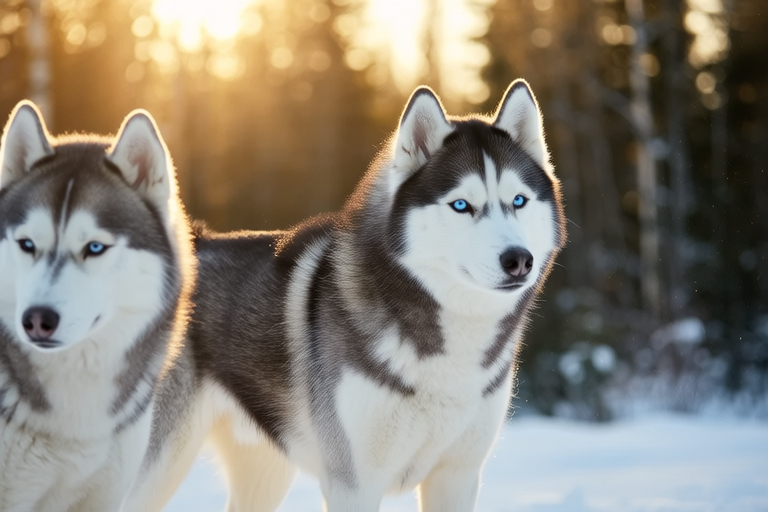
Siberian Huskies are medium-sized dogs known for their striking blue or brown eyes, often set against a mask of white fur. Their thick double coat, consisting of a dense undercoat and a coarser outer layer, provides excellent insulation against the cold. This coat also allows them to regulate their body temperature effectively, ensuring they remain comfortable even in the harshest conditions.
Physically, Siberian Huskies are built for endurance rather than speed. They have strong, muscular bodies with deep chests and powerful legs. Their feet are large and webbed, which helps them move efficiently through snow and ice. The breed’s resilience to extreme temperatures is further enhanced by their ability to conserve energy and maintain a steady pace over long distances.
Natural Instincts, Behavior, and Temperament
Siberian Huskies exhibit strong pack mentality, reflecting their origins as working dogs. They thrive in environments where they can interact with other dogs and engage in activities that stimulate their minds and bodies. This instinctual drive makes them excellent companions for active families but requires careful management to prevent unruly behavior.
Their leadership qualities are evident in their natural tendency to take charge within a group. However, this trait can sometimes lead to challenges in training if not handled properly. Siberian Huskies need clear boundaries and consistent guidance to understand their role within a human pack. Early socialization and positive reinforcement training are essential to ensure they develop into well-behaved and obedient pets.
Common Misconceptions About the Breed
One of the most common misconceptions about Siberian Huskies is that they are independent and aloof. While it’s true that they can be more reserved than some other breeds, they are not inherently distant or unaffectionate. Instead, they tend to form strong bonds with their owners and can be quite loyal and loving once trust is established.
Another misconception is that all Siberian Huskies are aggressive. In reality, they are generally friendly and gentle, especially towards children. However, their strong prey drive means they may not always get along with small animals, so proper supervision is necessary when introducing them to other pets.
Training and Caring for Siberian Huskies
Understanding the Siberian Husky’s wolf-like spirit is crucial for effective training and care. They are intelligent dogs that require mental stimulation and physical exercise to thrive. Training sessions should be short and engaging, incorporating games and rewards to keep their attention. Consistency is key, as these dogs can be stubborn if they sense inconsistency in their handlers.
Caring for a Siberian Husky involves regular grooming to maintain their coat and prevent matting. Their nails should be trimmed regularly, and dental hygiene should be prioritized to avoid health issues. Proper nutrition is also important, as they are prone to certain genetic conditions like hip dysplasia and progressive retinal atrophy. Regular veterinary check-ups can help monitor their health and catch any potential problems early.
Real-Life Stories and Anecdotes
One touching story involves a Siberian Husky named Balto, who played a pivotal role during the 1925 serum run to Nome. When a diphtheria outbreak threatened the town, a relay of sled dogs transported life-saving medicine across hundreds of miles of frozen terrain. Balto led the final leg of the journey, arriving just in time to save countless lives. His heroic actions earned him international fame and a statue in New York City’s Central Park.
Another example is the bond between a Siberian Husky named Koda and his owner, Sarah. Despite Koda’s initial shyness around strangers, he became incredibly protective and loyal to Sarah. During a hiking trip, Sarah slipped and fell into a river, unable to climb out. Koda immediately jumped in and swam to shore, then ran to fetch help, saving Sarah’s life. Stories like these highlight the deep connection that can exist between humans and Siberian Huskies.
Conclusion
Siberian Huskies possess a unique blend of physical prowess, intelligence, and loyalty that sets them apart from other breeds. Their history with the Chukchi people, combined with their adaptability to extreme climates, has shaped them into versatile and resilient companions. While they may challenge traditional notions of domesticated dogs, their true nature reveals a breed that is both independent and affectionate, strong yet gentle.
Their wolf-like spirit and pack mentality make them fascinating subjects for those interested in canine behavior and history. Whether serving as sled dogs, therapy animals, or beloved family pets, Siberian Huskies continue to captivate hearts and minds with their enduring legacy. Their loyalty, intelligence, and ability to thrive in challenging environments truly embody the spirit of wolves, making them a breed that stands out in the world of dogs.
