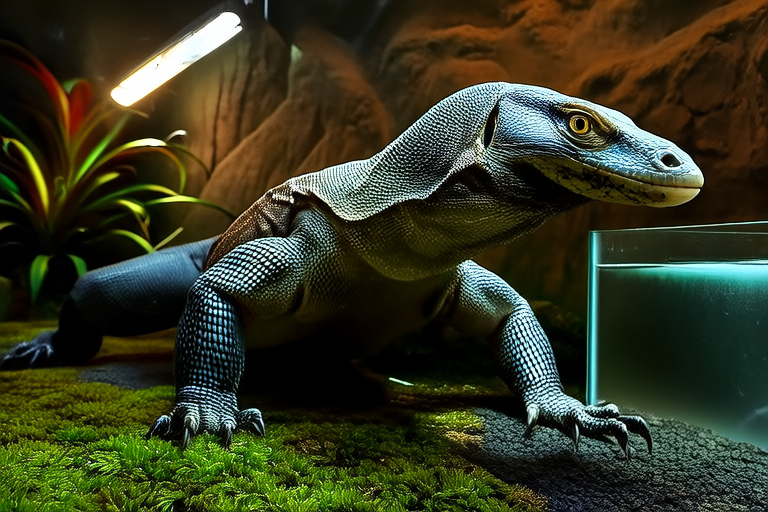
From Swamp to Home: How to Care for Your Water Monitor
Welcome to the fascinating world of water monitors! These incredible creatures, native to Southeast Asia, are known for their impressive size, intelligence, and adaptability. Whether you’re a seasoned reptile owner or a first-time keeper, caring for a water monitor requires dedication and knowledge. This guide will walk you through everything you need to know about providing the best care for your water monitor, from understanding their natural habitat to addressing their dietary needs and housing requirements.
The Natural Habitat of Water Monitors
Water monitors (Varanus salvator) inhabit a wide range of environments in their native lands, including swamps, rivers, forests, and coastal areas. They are semi-aquatic, meaning they spend time both on land and in water. Their natural habitat is characterized by high humidity, warm temperatures, and plenty of hiding spots and basking areas. Understanding these conditions is crucial for creating an appropriate environment for your pet at home.
One of the most remarkable aspects of water monitors is their ability to thrive in diverse settings. In the wild, they can be found in dense rainforests as well as open grasslands near bodies of water. This adaptability makes them fascinating subjects for study but also presents challenges when trying to replicate their natural environment in captivity.
Dietary Needs of Water Monitors
Water monitors are carnivorous predators with a diet that primarily consists of small animals such as insects, fish, amphibians, birds, and even other reptiles. As pets, they require a balanced diet rich in protein to maintain their health and energy levels. Feeding them correctly is essential for their growth and longevity.
In captivity, it’s important to provide a varied diet that mimics what they would eat in the wild. A good rule of thumb is to offer a mix of live prey items like crickets, mealworms, and feeder fish. Additionally, you may supplement their diet with pre-killed mice or rats if your monitor is large enough. Always ensure that any prey item is appropriately sized for your monitor; offering food that is too large can lead to digestive issues.
It’s worth noting that water monitors have a voracious appetite and will often eat more than necessary if given the chance. Therefore, it’s crucial to establish a feeding schedule and stick to it. Overfeeding can result in obesity, which can negatively impact their overall health.
Housing Requirements for Water Monitors
Creating an ideal living space for your water monitor involves careful consideration of several factors, including enclosure size, temperature control, humidity levels, and enrichment opportunities. The enclosure should be spacious enough to allow the monitor ample room to move around comfortably while still providing hiding spots and climbing structures.
For smaller water monitors, a 4x2x2-foot enclosure might suffice initially, but as they grow, they will require much larger spaces. Adult monitors often need enclosures measuring up to 8x4x4 feet or even bigger. Remember that these are active animals, so providing plenty of vertical space through branches, platforms, and other climbing elements is vital.
Maintaining proper temperature gradients within the enclosure is another critical aspect of care. Water monitors prefer temperatures ranging from 80°F to 95°F during the day, with a basking spot reaching around 100°F. At night, temperatures can drop slightly but should never fall below 75°F. Achieving these conditions typically requires the use of heat lamps, ceramic heaters, or under-tank heating pads.
Humidity levels should be kept between 60% and 80%, simulating the moist environment of their natural habitats. This can be achieved through misting systems, humidifiers, or simply by ensuring there’s a water dish large enough for the monitor to soak in. Regular monitoring of humidity levels using hygrometers helps prevent respiratory infections and skin problems.
Health Care Tips for Water Monitors
Proper healthcare is essential for keeping your water monitor healthy and happy. Regular veterinary checkups are recommended, especially for new acquisitions or whenever signs of illness appear. Some common health issues include respiratory infections, parasites, and metabolic bone disease, all of which can be prevented or treated with proper husbandry practices.
To promote good health, ensure that your monitor has access to UVB lighting, which aids in calcium absorption and prevents metabolic bone disease. A 10% UVB bulb placed approximately 12 inches above the enclosure works well for most setups. Additionally, providing a calcium supplement once or twice weekly can further support their skeletal development.
Parasite prevention is another key aspect of maintaining a healthy water monitor. Regular fecal exams conducted by a veterinarian can help detect and treat internal parasites before they become problematic. External parasites, such as mites, should be addressed immediately to avoid infestation throughout the enclosure.
Behavioral Insights into Water Monitors
Water monitors are intelligent and curious creatures that can form strong bonds with their owners. However, due to their powerful jaws and sharp claws, handling should always be done carefully and respectfully. It’s important to understand their behavior patterns and body language to ensure safety and comfort for both you and your pet.
When interacting with your water monitor, pay attention to signs of stress or discomfort. Common indicators include hissing, tail lashing, or attempting to bite. If your monitor exhibits any of these behaviors, it’s best to give them some space until they calm down. On the flip side, gentle handling and positive reinforcement can help build trust over time.
Training your water monitor can also enhance your relationship with them. Simple commands like coming when called or sitting on your shoulder can be taught through consistent reward-based training methods. Patience and consistency are key here, as water monitors learn at their own pace.
The Unique Challenges and Rewards of Owning a Water Monitor
Owning a water monitor comes with its fair share of challenges, but it also offers rewarding experiences that make the effort worthwhile. One of the biggest challenges is meeting their space and environmental needs, particularly for larger adults who require extensive enclosures. Additionally, their dietary requirements can be demanding, requiring a steady supply of appropriate prey items.
Despite these challenges, many owners find that the unique bond formed with their water monitor makes the effort entirely worthwhile. Watching them explore their environment, climb trees, and interact with you creates a sense of connection that few other pets can match. Moreover, caring for such an intelligent and adaptable animal provides a deep sense of accomplishment.
As with any exotic pet, responsible ownership involves making long-term commitments. Before bringing a water monitor into your home, consider whether you have the resources and commitment necessary to provide them with a lifetime of care. Once you’ve made that decision, you’ll be rewarded with years of companionship and fascination.
In conclusion, caring for a water monitor is a rewarding experience that requires careful planning and ongoing attention. By understanding their natural habitat, meeting their dietary needs, providing appropriate housing, and staying informed about their health and behavior, you can ensure your water monitor leads a happy and healthy life. With patience, dedication, and love, you’ll form a special bond with one of nature’s most fascinating creatures.
