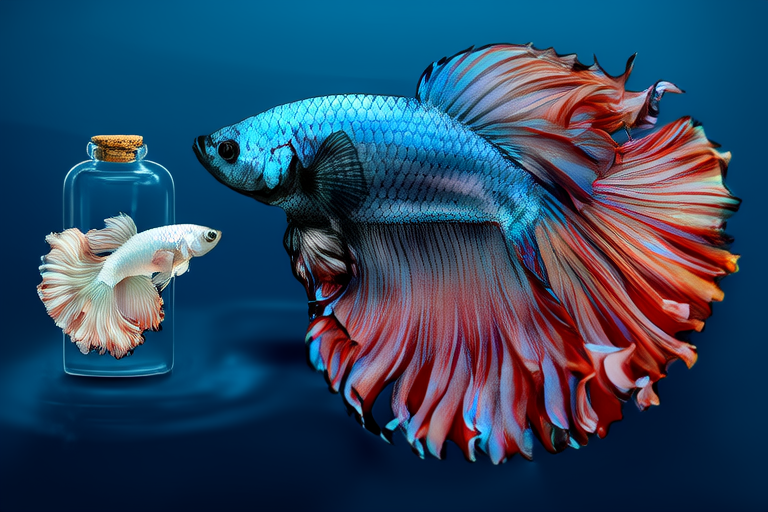
From Tiny Fry to Radiant Adult: The Journey of a Betta Fish
The journey from a tiny betta fry to a radiant adult is a fascinating and rewarding experience for any aquarist. This comprehensive guide will walk you through every stage of a betta’s life, from its birth to adulthood, offering insights into proper care, diet, and habitat adjustments. Understanding these phases will help you raise healthy, vibrant bettas.
The Breeding Process and Birth of Betta Fry
Betta fish reproduction begins with the mating dance between a male and female. During courtship, the male builds a bubble nest, a structure of air bubbles held together by mucus, at the water’s surface. Once the female is ready, she releases her eggs, which the male fertilizes and carefully gathers into the nest. After several hours, the female is removed to prevent potential harm from the male’s aggressive nature.
The newly hatched betta fry, or betta babies, are incredibly small, measuring only about 4-5 millimeters. They are completely dependent on their parents for survival initially but are soon left to fend for themselves as the male becomes protective of the nest. At this stage, the fry can swim freely and begin to explore their environment.
Initial Care Requirements for Newborn Betta Fry
The first few days of a betta fry’s life are crucial. They need a calm, stress-free environment with minimal disturbance. A separate breeding tank is ideal, providing a safe space for the fry to grow without competition for food or territory. The water temperature should be maintained around 80°F (27°C), and the pH level should be kept stable between 6.5 and 7.5.
Diet is another critical aspect of care for newborn betta fry. Initially, they feed on infusoria, microscopic organisms found in aquarium water. As they grow, you can introduce commercially available baby brine shrimp or crushed flakes designed specifically for fry. Feeding should be done multiple times daily to ensure adequate nutrition.
Habitat specifics are also important. Fry tanks should have fine-leaved plants like Java moss or floating plants that provide shelter and hiding spots. Ensure there is no strong water flow to avoid injuring the delicate fry. Regular water changes, about 10% weekly, help maintain water quality and support healthy growth.
Growing Into Juveniles: Challenges and Milestones
As betta fry transition into juveniles, they face new challenges and reach significant developmental milestones. By the end of their first month, they typically double in size and start developing more distinct colors and fin shapes. Their behavior changes too; they become more active and curious, exploring their surroundings more frequently.
Proper feeding techniques are essential during this phase. Juvenile bettas require a varied diet rich in protein. Feed them high-quality betta pellets, live or frozen foods such as bloodworms, daphnia, and brine shrimp. Avoid overfeeding to prevent bloating and poor water quality.
Tank setup adjustments are necessary as juveniles grow. Increase the tank size to accommodate their larger bodies and higher activity levels. Introduce additional decorations and plants to mimic their natural environment, enhancing their mental stimulation. Ensure the tank has enough open swimming space and hiding areas to reduce stress.
Common health issues during the juvenile stage include fin rot, swim bladder disorders, and bacterial infections. Fin rot, characterized by frayed or discolored fins, can be treated with medications available at pet stores. Swim bladder disorders may occur due to overfeeding or constipation and can be managed by fasting for a day or two followed by feeding blanched vegetables. Regular observation and prompt action can prevent most health problems.
Reaching Adulthood: Optimal Coloration and Health Maintenance
By six months, bettas enter adulthood. Their colors deepen, and their fins fully develop. Achieving optimal coloration involves maintaining a balanced diet and ensuring proper lighting conditions. Use full-spectrum LED lights to promote vibrant hues. Additionally, providing a varied diet rich in vitamins and minerals helps enhance their natural beauty.
Adult bettas come in various tail types, each requiring specific care. Veil-tailed bettas need more space to move comfortably, while half-moon tails demand careful handling to prevent fin damage. Tail type should influence tank size and decor choices to ensure a harmonious living environment.
Health maintenance remains vital throughout adulthood. Regular water changes, about 25-30% weekly, keep the tank clean and promote longevity. Monitor water parameters closely, ensuring stable temperatures and pH levels. Conduct routine check-ups for signs of illness, treating promptly if necessary.
Fostering a Stimulating Environment
Creating a stimulating environment is key to supporting your betta’s well-being at all stages. Provide ample hiding spots and decorations that encourage exploration. Floating plants offer shade and resting places, mimicking their natural habitat. Rotate toys periodically to prevent boredom and promote mental engagement.
In conclusion, raising a betta from a tiny fry to a radiant adult requires dedication and attention to detail. By understanding their needs at each stage of development, you can ensure a happy, healthy, and vibrant fish. Enjoy the journey and the rewarding experience of watching your betta thrive.
