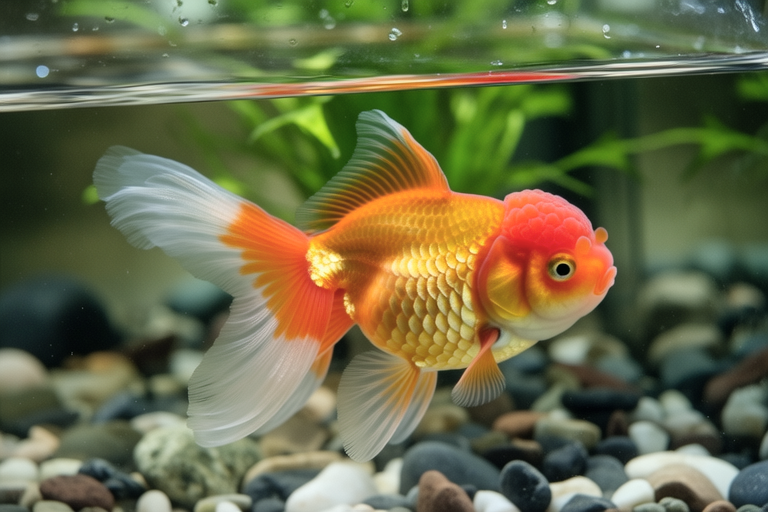
From Bowl to Tank: The Ultimate Guide for Goldfish Owners
Welcome to the world of goldfish ownership! Goldfish are popular pets known for their vibrant colors and friendly demeanor. However, many new owners are unaware of the specific needs of these aquatic companions, leading to common misconceptions about their care. This guide aims to provide you with all the necessary information to ensure your goldfish thrive in a healthy, enriched environment.
The Importance of Transitioning Goldfish from Bowls to Tanks
One of the most significant mistakes made by goldfish owners is housing them in small glass bowls. Goldfish are active swimmers and require ample space to move around freely. Bowls lack the necessary volume of water to maintain stable conditions, such as temperature and oxygen levels, which can lead to stress and health issues. A tank provides more room for swimming and better water circulation, crucial for the well-being of your goldfish.
Suitable Tank Sizes
The ideal tank size depends on the number of goldfish you plan to keep. As a general rule, each goldfish requires at least 20 gallons of water. For example, two goldfish would need a 40-gallon tank, and three would require 60 gallons. Larger tanks allow for better water quality and reduce the likelihood of ammonia spikes, which can be harmful to your fish.
Filtration Systems
A proper filtration system is essential for maintaining clean water. Filters remove waste, uneaten food, and other particles that could otherwise degrade water quality. There are several types of filters available:
- Canister Filters: Ideal for larger tanks, providing powerful filtration.
- Hang-on-back (HOB) Filters: Suitable for various tank sizes, easy to install and maintain.
- Under-gravel Filters: Effective for smaller tanks, though they may not handle heavy bio-load well.
Regardless of the type, choose a filter that suits your tank size and meets the flow rate recommendations provided by the manufacturer.
Water Quality Maintenance
Regular monitoring and maintenance of water quality are vital for your goldfish’s health. Key factors include:
- Ammonia: Should be kept at 0 ppm.
- Nitrite: Should also be at 0 ppm.
- Nitrate: Should be below 20 ppm.
- pH: Maintain between 6.8 and 7.6.
Use water test kits to check these parameters weekly. Perform partial water changes (20-30%) every week to prevent toxin buildup.
Appropriate Feeding Habits
Feeding goldfish properly is crucial for their health. Overfeeding can lead to obesity and poor water quality. Feed your goldfish two to three times daily, offering only what they can consume within two minutes. A varied diet rich in nutrients is recommended:
- Flake Food: Provides basic nutrition.
- Pellets: Offers a balanced diet.
- Vegetables: Such as peas, zucchini, and spinach, enrich their diet.
Always introduce new foods gradually to avoid digestive issues.
Common Health Issues
Goldfish are generally hardy but can develop health problems if not cared for properly. Common issues include:
- Fin Rot: Caused by poor water quality, characterized by frayed fins.
- Fungal Infections: Often seen as cotton-like growths on the body.
- Swim Bladder Disorder: Causes difficulty in maintaining balance.
Addressing these issues promptly is essential. Consult a veterinarian specializing in aquatic animals for proper diagnosis and treatment.
Decorations Enhancing the Environment
Decorating your tank can create an aesthetically pleasing and stimulating environment for your goldfish. Consider:
- Plants: Provide hiding spots and help improve water quality.
- Rocks and Driftwood: Offer natural structures for exploration.
- Substrates: Enhance the appearance and can aid in biological filtration.
Ensure all decorations are aquarium-safe and free from sharp edges that could injure your fish.
Responsibility and Ethical Care
Owning a goldfish comes with responsibilities. Regular maintenance, proper feeding, and attention to health are paramount. Avoid harmful practices like overcrowding, overfeeding, or neglecting water quality. Each goldfish deserves a loving home where it can live comfortably and happily.
Conclusion
Transitioning your goldfish from a bowl to a tank is a significant step towards ensuring their well-being. By understanding their needs and providing a suitable environment, you can enjoy the company of these delightful creatures for years to come. Remember, being a responsible owner means prioritizing your goldfish’s health and happiness above all else.
