5 Secrets Why Your Abyssinian Cat Is Acting So Mysterious
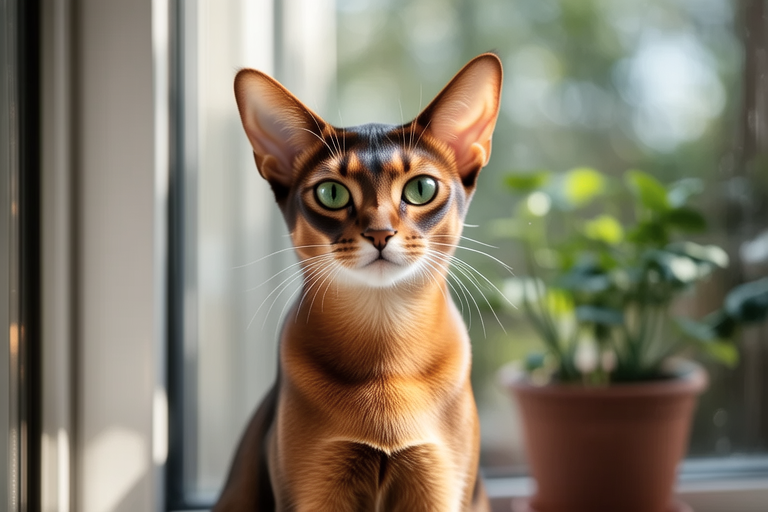
Abyssinian cats are known for their striking appearance, with a coat that mimics the colors of the desert. Their short, ticked fur, combined with large ears and almond-shaped eyes, makes them stand out among other breeds. Abyssinians are also famous for their playful yet sometimes aloof demeanor, which often leaves their owners scratching their heads. This article will explore why your Abyssinian cat might be acting so mysteriously, offering insights into their behavior based on scientific studies and expert opinions.
Unique Characteristics of Abyssinian Cats
Beyond their captivating looks, Abyssinian cats have a rich history. They are thought to have originated in ancient Egypt, where they were revered as sacred animals. Today, they are admired for their agility, intelligence, and independent nature. These traits make Abyssinians both challenging and rewarding pets for those who can appreciate their quirks.
Secret 1: Preference for Solitude
One of the most noticeable aspects of an Abyssinian’s personality is their preference for solitude. Unlike many other cat breeds, Abyssinians are not always eager to be in the company of their owners. They may retreat to a quiet corner or perch high up, away from the hustle and bustle of family life. This behavior stems from their genetic roots, as Abyssinians were originally bred for hunting and survival in the wild. Their ancestors had to be self-reliant and resourceful, traits that have been passed down through generations.
According to Dr. John Bradshaw, author of 猫的行为学》(《猫的行为学》)and an expert in animal behavior, cats, in general, have a strong instinct for independence. However, Abyssinians take this tendency to another level due to their history. In the wild, being alone meant staying safe from predators, while being part of a group could increase the risk of being detected. Therefore, it is natural for Abyssinians to prefer solitary spaces where they feel secure and undisturbed.
Secret 2: Heightened Curiosity
Abyssinians are also renowned for their boundless curiosity. They are always exploring new environments, investigating every nook and cranny, and examining objects with intense focus. This curiosity is not just a result of boredom; it is a reflection of their intelligent and inquisitive nature. Abyssinians are constantly seeking stimulation, whether it’s chasing shadows, opening cabinets, or playing with toys. This trait can sometimes lead to mischief, but it also showcases their adaptability and problem-solving skills.
Scientific studies have shown that cats, particularly Abyssinians, have highly developed predatory instincts. Their keen senses of sight, hearing, and smell enable them to detect even the slightest movements or sounds. When they encounter something new or unfamiliar, their brains are wired to investigate further. This heightened curiosity is not only entertaining but also beneficial for their mental well-being. It keeps them engaged and prevents boredom, which can lead to destructive behaviors.
Secret 3: Unusual Sleeping Patterns
Another mysterious aspect of Abyssinian behavior is their irregular sleeping habits. While most cats are known for their predictable sleep cycles, Abyssinians tend to nap at odd times and for varying durations. They may suddenly wake up in the middle of the night or take long naps during the day, leaving their owners puzzled. This erratic sleeping pattern can be attributed to their genetic predisposition and evolutionary background.
Dr. Sarah Heath, a veterinary behaviorist, explains that Abyssinians have retained some of the nocturnal tendencies of their wild ancestors. In the wild, these cats would hunt at dawn and dusk, and rest during the hottest parts of the day. This pattern has been ingrained in their DNA, causing them to exhibit similar behaviors even when living in a domestic environment. Additionally, Abyssinians may sleep less because they are more alert and aware of their surroundings, a characteristic that helps them stay vigilant against potential threats.
Secret 4: Sudden Bursts of Energy
Owners of Abyssinian cats often marvel at their sudden bursts of energy. One moment, their cat may appear calm and relaxed, and the next, they are darting around the room with incredible speed. This behavior is typical of Abyssinians, who are full of energy and enjoy physical activity. Their bursts of energy can be unpredictable, making them seem like they have a secret reserve of stamina.
This phenomenon can be explained by the high levels of dopamine in Abyssinian cats’ brains. Dopamine is a neurotransmitter associated with pleasure and motivation. Abyssinians have higher concentrations of dopamine compared to other breeds, which explains their enthusiasm for play and exploration. Their bursts of energy are not just random; they are driven by the need for stimulation and interaction. Providing Abyssinians with interactive toys and regular play sessions can help channel their energy into positive outlets.
Secret 5: Selective Communication
Finally, Abyssinians are known for their selective communication. They are not always vocal, and when they do meow, it can be for specific reasons. Unlike some breeds that are more talkative, Abyssinians tend to communicate only when necessary, often in short, sharp meows. This selective communication can be frustrating for owners who wish to know what their cat is thinking or feeling.
However, Abyssinians are not being unresponsive; they are simply choosing the most effective way to communicate. Dr. Tony Buffington, a professor of veterinary clinical sciences, suggests that Abyssinians have evolved to conserve energy, including their vocalizations. In the wild, making unnecessary noise could attract predators, so these cats have learned to be more economical with their sounds. Instead of meowing frequently, they rely on body language and subtle cues to convey their needs. Understanding these non-verbal signals can help owners interpret their cat’s messages more accurately.
Tips for Bonding with Your Abyssinian Companion
To better understand and bond with your Abyssinian cat, it’s essential to recognize and respect their individuality. Here are some tips to help you build a stronger connection:
- Provide Enrichment: Abyssinians thrive on mental and physical stimulation. Offer them puzzle toys, climbing structures, and interactive games to keep them entertained and engaged.
- Respect Their Space: Give your Abyssinian the freedom to choose when and where they want to interact. Respect their need for solitude and avoid forcing them into situations that make them uncomfortable.
- Engage in Play: Regular play sessions can help satisfy their energetic nature. Use toys that encourage hunting and stalking behaviors, which are instinctual for Abyssinians.
- Observe Non-Verbal Cues: Pay attention to your cat’s body language, tail movements, and ear positions. These signals can tell you a lot about their mood and intentions.
- Establish Routines: Abyssinians appreciate consistency. Establish regular feeding and playtimes to create a predictable schedule that they can rely on.
By understanding and accommodating your Abyssinian’s unique needs, you can foster a deeper bond with your feline companion. With patience and effort, you can turn their mysterious behaviors into opportunities for learning and enjoyment.
