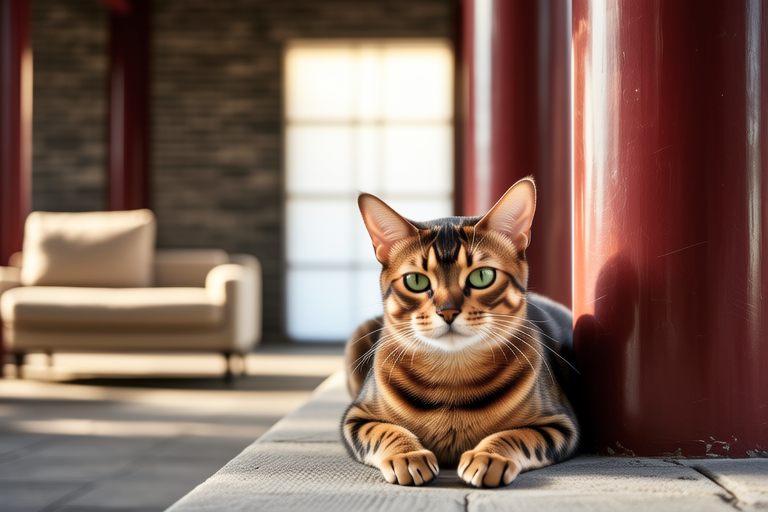
The Abyssinian Cat: From Ancient Temples to Modern Living Rooms
The Abyssinian cat is one of the most fascinating breeds, rich in history and steeped in legend. Originating from ancient temples in Egypt, these cats have played significant roles in both historical and mythological contexts. Their unique genetic makeup and distinct features have made them a favored breed among cat enthusiasts worldwide.
Historical Significance and Mythological References
In ancient Egypt, cats were revered as sacred animals, often associated with various deities. The Abyssinian cat, in particular, was believed to be a companion to the goddess Bastet, who was worshipped for her protective qualities and connection to fertility. These felines were often depicted in hieroglyphics and sculptures, showcasing their importance in Egyptian culture. They were not only cherished as pets but also held positions of prestige within royal households, where they were entrusted with safeguarding the pharaohs’ souls.
The mythological references surrounding these cats further enhance their mystique. Legends speak of their ability to communicate with the divine, making them indispensable allies in matters of spirituality and magic. These stories have contributed to the enduring allure of the Abyssinian breed, ensuring their place in the annals of history.
Genetic Journey and Distinctive Features
The genetic journey of the Abyssinian cat is as intriguing as its history. It is widely believed that the breed’s roots can be traced back to coastal regions of the Indian Ocean and parts of Southeast Asia. Genetic studies suggest that these cats share common ancestors with other breeds such as the Singapura and the Southeast Asian jungle cat. This genetic diversity has resulted in a breed known for its striking physical characteristics.
Abyssinians are characterized by their medium-sized, muscular bodies, slender legs, and large ears set high on their heads. Their coats are short, dense, and possess a unique ticked pattern, giving them a shimmering appearance under light. This distinctive coat is achieved through a recessive gene mutation, which results in individual hairs possessing alternating bands of color. The most common colors include ruddy (a warm reddish-brown), blue, fawn, and cinnamon.
Introduction to Britain and Global Spread
The Abyssinian cat was first introduced to Britain in the mid-19th century, likely brought back by British soldiers returning from military campaigns in Africa. Initially, these cats were exhibited at cat shows in London, quickly gaining popularity due to their exotic appearance and charming personalities. The breed’s introduction to Britain marked the beginning of its global spread.
Over time, Abyssinians were exported to other parts of Europe and North America, where they became increasingly popular among cat fanciers. Today, Abyssinians can be found in households across the globe, cherished for their elegance and engaging nature.
Anecdotes and Studies on Temperament and Adaptability
Abyssinians are renowned for their playful and curious natures, often described as “dog-like” in their loyalty and affection towards their owners. They are highly intelligent and enjoy interactive play, making them ideal companions for those seeking an active pet. Their adaptability makes them well-suited for modern living rooms, where they can thrive in both urban and suburban environments.
Studies have shown that Abyssinians are particularly adept at adapting to new surroundings and forming strong bonds with their human families. This adaptability, combined with their friendly disposition, has made them excellent companions for people living in various household settings.
Life in Historical Contexts vs Contemporary Households
In historical contexts, Abyssinian cats were primarily kept as companions to royalty and religious figures, often serving ceremonial purposes. Their lives were closely intertwined with the rituals and beliefs of their human counterparts. In contrast, contemporary households offer these cats a more relaxed lifestyle, where they are cherished for their companionship rather than their symbolic value.
The care provided to Abyssinians has also evolved over time. While in ancient times they may have been fed scraps from the table, modern cat owners ensure a balanced diet tailored to their nutritional needs. Additionally, advancements in veterinary medicine have improved the overall health and longevity of the breed.
Future of the Abyssinian Breed
The future of the Abyssinian breed looks promising, with continued efforts to preserve its unique characteristics and promote responsible breeding practices. As awareness grows about the importance of genetic diversity, breeders are working to maintain the health and vitality of the Abyssinian population.
Moreover, the increasing popularity of social media platforms has provided a new avenue for Abyssinian owners to showcase their beloved pets, fostering a sense of community and shared appreciation for the breed. This digital presence is likely to contribute to the continued growth and recognition of the Abyssinian cat in the world of pets.
In conclusion, the Abyssinian cat’s journey from ancient temples in Egypt to modern living rooms is a testament to its enduring appeal and adaptability. With a rich history and a bright future ahead, this elegant breed continues to captivate the hearts of cat lovers around the world.
