From Nome to Your Home: The Ultimate Siberian Husky Guide
Introduction
Welcome to your comprehensive guide to Siberian Huskies! This breed has a rich history, starting from their origins in Siberia and their crucial role in the Iditarod race to their current status as beloved family pets. This guide will cover everything you need to know about owning a Siberian Husky, from understanding their physical characteristics and exercise needs to training techniques and common health issues.
The History of Siberian Huskies
Siberian Huskies originated from Siberia, where they were bred by the Chukchi people for sledding and herding reindeer. Their endurance, strength, and resilience made them ideal for these tasks. They were brought to Alaska in the early 20th century, where they played a vital role in the Iditarod race, a grueling sled dog race that commemorates the 1925 serum run to Nome.
Physical Characteristics
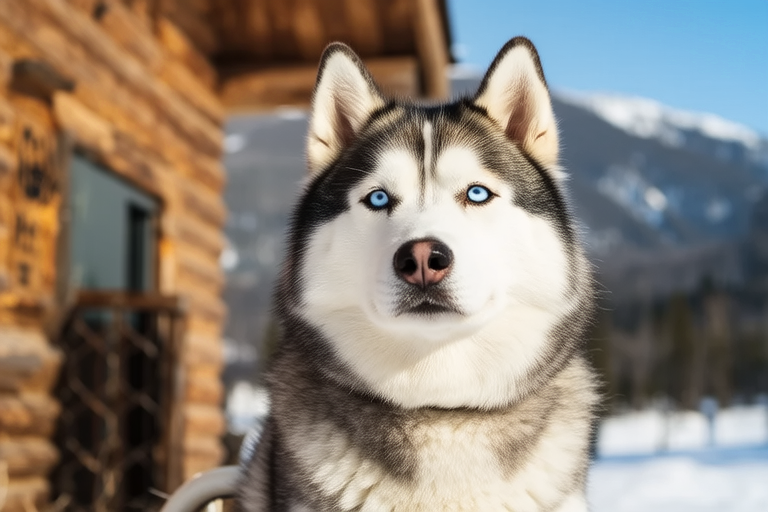
Siberian Huskies are medium-sized dogs with a thick double coat that can come in various colors and patterns. They have almond-shaped eyes that can be blue, brown, or a combination of both. Their ears are triangular and stand erect, giving them an alert appearance. Huskies have strong, muscular bodies and a distinctive wolf-like appearance.
Temperament
Huskies are known for their friendly and outgoing personalities. They are generally good with children and other pets, making them excellent family dogs. However, they can be independent and may require consistent training to maintain obedience. Socialization from a young age is essential to ensure they grow up to be well-behaved and confident adults.
Exercise Needs
Huskies are highly energetic dogs that require plenty of physical activity. Daily walks and playtime are necessary to keep them healthy and happy. They thrive in environments where they can run and explore, such as large yards or parks. Without adequate exercise, Huskies may become restless and destructive.
Dietary Requirements
A balanced diet is crucial for maintaining a Husky’s health and energy levels. High-quality dog food that meets their nutritional needs is recommended. Consult with a veterinarian to determine the appropriate portion sizes and feeding schedule based on your Husky’s age, weight, and activity level.
Grooming Tips
Huskies shed heavily, particularly during the spring and fall seasons. Regular brushing helps to remove loose fur and prevent matting. Bathing should be done as needed, typically every few months, depending on your Husky’s lifestyle and environment. Additionally, keeping their nails trimmed and checking their ears for any signs of infection are important aspects of their grooming routine.
Common Health Issues
Like all breeds, Huskies are prone to certain health conditions. Hip dysplasia, which affects the hip joint, is one of the most common issues. Other concerns include eye problems such as cataracts and progressive retinal atrophy. Regular veterinary check-ups and genetic testing can help identify potential health risks early.
Training Techniques
Consistency and positive reinforcement are key when training a Husky. Reward-based training methods, such as treats and praise, encourage desired behaviors. Early socialization and obedience training are essential to ensure your Husky grows up to be a well-mannered adult. Patience and persistence are necessary, as Huskies can be stubborn and independent.
Advice for First-Time Owners
Owning a Husky requires dedication and preparation. Research thoroughly before bringing one home, and consider attending obedience classes to learn effective training techniques. Establish clear boundaries and rules from the start, and provide plenty of mental stimulation through interactive toys and activities. Be prepared for the challenges that come with owning an energetic and independent breed, but also embrace the joy and companionship they bring into your life.
Conclusion
From their origins in Siberia to their role in the Iditarod race, Siberian Huskies have a fascinating history. As family pets, they offer loyalty, companionship, and endless entertainment. By understanding their physical characteristics, temperament, exercise needs, dietary requirements, grooming tips, common health issues, and training techniques, you can provide the best care for your Husky and enjoy a rewarding relationship with this magnificent breed.
