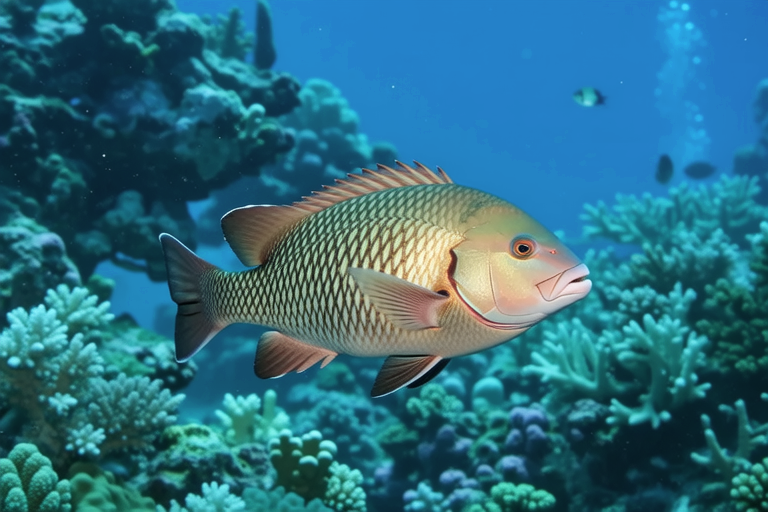
Parrot Fish: Nature’s Guardians Against Ocean Pollution
In the vast expanse of our oceans, there exists a colorful and vibrant world teeming with life. Among the myriad species that call these waters home, parrot fish stand out as vital guardians of the marine ecosystem. These strikingly beautiful creatures play a crucial role in maintaining the health of coral reefs, contributing significantly to the fight against ocean pollution. This article delves into the ecological significance of parrot fish, their dietary habits, and the impact of their activities on marine environments. Additionally, it explores the threats they face and the ongoing conservation efforts aimed at preserving their populations.
The Ecological Role of Parrot Fish
Coral reefs are often referred to as the rainforests of the sea, due to their immense biodiversity and importance to marine life. Parrot fish are integral to the maintenance of these delicate ecosystems. Their primary diet consists of algae that grow on coral reefs, which they consume by scraping away at the surface with their strong beaks. This feeding behavior is essential because it prevents algae from overwhelming the corals and choking off their growth.
Scientific studies have shown that when parrot fish populations decline, algal blooms can become rampant, leading to a significant decrease in coral cover. This phenomenon, known as phase shift, can transform healthy coral reefs into algal-dominated systems, drastically reducing biodiversity and affecting countless other species that rely on coral reefs for habitat and food. Thus, parrot fish act as natural gardeners, ensuring that coral reefs remain lush and vibrant.
Dietary Habits and Their Impact on Marine Ecosystems
The dietary habits of parrot fish not only benefit coral reefs but also play a role in reducing ocean pollution. By consuming large amounts of algae, these fish help control the spread of harmful substances such as excess nutrients from agricultural runoff or sewage. When algae overgrow, they can absorb these nutrients, potentially leading to eutrophication—a condition where excessive nutrient levels cause rapid algal growth, which depletes oxygen in the water and harms aquatic life.
Moreover, after digesting the algae, parrot fish excrete sand. This process, known as bioerosion, is crucial for maintaining the structural integrity of coral reefs. The finely ground calcium carbonate from the coral skeletons and other hard materials they consume contributes to the formation of beaches and islands. In some cases, up to 80% of the sand on tropical beaches is produced by parrot fish. This continuous recycling of materials helps to keep marine environments clean and supports the overall balance of the ecosystem.
Threats to Parrot Fish Populations
Despite their critical role in marine ecosystems, parrot fish populations face numerous threats that jeopardize their survival. Overfishing is one of the most significant challenges, driven by the demand for their meat in many parts of the world. Their bright colors and distinctive shapes make them popular among aquarium enthusiasts, further exacerbating the problem.
Additionally, habitat destruction caused by coastal development, pollution, and climate change poses serious risks to parrot fish. Rising sea temperatures and increased acidity levels due to global warming can harm coral reefs, making it harder for parrot fish to find food and shelter. Moreover, pollution from plastics and chemicals can affect their health and reproductive capabilities, leading to declines in population numbers.
Conservation Efforts
Recognizing the importance of parrot fish, various organizations and governments have initiated conservation programs to protect these vital species. Marine protected areas (MPAs) have been established in many regions to limit fishing activities and allow parrot fish populations to recover. These protected zones provide safe havens where parrot fish can thrive without the constant threat of being caught.
Educational campaigns aimed at raising awareness about the ecological importance of parrot fish and encouraging sustainable fishing practices are also underway. Some initiatives focus on promoting alternative livelihoods for fishermen who depend on parrot fish catches, helping to reduce pressure on their populations while ensuring economic stability for local communities.
Furthermore, research into breeding and rearing techniques for parrot fish in captivity offers hope for restoring depleted populations. Scientists are working on developing methods to raise parrot fish in controlled environments, which could eventually lead to the release of healthy individuals back into the wild.
Conclusion
Parrot fish are more than just beautiful creatures adorning our oceans; they are nature’s guardians against ocean pollution. Through their unique dietary habits and active participation in coral reef maintenance, they play an indispensable role in preserving marine ecosystems. However, their survival is under threat from human activities, emphasizing the urgent need for robust conservation measures.
By understanding the vital role of parrot fish and supporting conservation efforts, we can help ensure that these magnificent creatures continue to safeguard our oceans for generations to come. It is our responsibility to protect these guardians of the sea, not only for their sake but for the health and prosperity of all marine life.
