Unveiling the Mystery: The Unique Characteristics of Leopard Geckos
Welcome to a comprehensive exploration of one of the most fascinating reptiles in the world – the leopard gecko. These small, ground-dwelling lizards have captured the hearts of reptile enthusiasts and curious pet lovers alike. In this article, we will delve into the origins, physical attributes, behaviors, and care requirements of leopard geckos, providing you with all the information you need to appreciate and understand these remarkable creatures.
Origins and Natural Habitat
Leopard geckos (Eublepharis macularius) are native to the arid regions of Afghanistan, Pakistan, and parts of northwestern India. They thrive in rocky, dry environments, where they can find shelter under rocks and in crevices. Their natural habitat is characterized by extreme temperatures during the day, which can reach up to 40°C (104°F), and cooler nights that drop to around 15°C (59°F). This environment has shaped their evolutionary traits, making them well-adapted to survive in harsh conditions.
Physical Attributes
Distinctive Skin Patterns
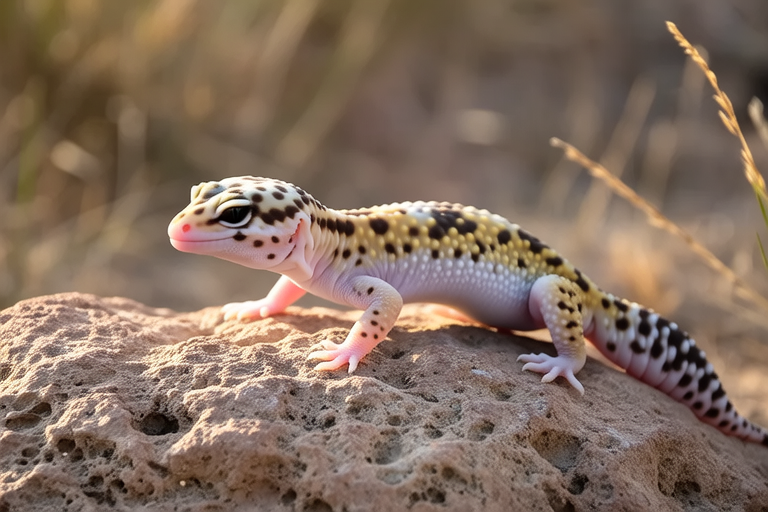
One of the most striking features of leopard geckos is their distinctive skin patterns. Named after the big cat, these lizards sport spots that vary in size and color, from light yellow to dark brown. Some individuals even display stripes or blotches, adding to their unique appearance. These patterns serve as camouflage, helping them blend into their surroundings and avoid predators.
Tail Capabilities
The tail of a leopard gecko is not just for show; it plays a crucial role in their survival. It stores fat reserves, which the gecko can draw upon during times of food scarcity. Additionally, if threatened, a leopard gecko can detach its tail through a process called autotomy. While this may seem alarming, the tail will eventually regenerate, though it may not regain its original length or pattern.
Behavioral Traits
Nocturnal Activities
Leopard geckos are primarily nocturnal creatures, meaning they are most active during the night. This behavior allows them to hunt for insects and avoid the intense heat of the day. During the day, they rest in cool, dark places, conserving energy for their nighttime activities.
Feeding Habits
These geckos are insectivores, feeding mainly on crickets, mealworms, and other small insects. They have excellent hunting skills, using their keen sense of smell and sight to locate prey. It’s important for pet owners to provide a balanced diet to ensure their geckos receive all necessary nutrients.
Social Behaviors
Leopard geckos are generally solitary animals in the wild, but they can coexist peacefully in captivity when provided with enough space and hiding spots. However, it’s essential to introduce them carefully and monitor their interactions to prevent stress or aggression.
Care Requirements
Housing
Creating a suitable living environment is crucial for the health and happiness of your leopard gecko. A glass terrarium with a secure lid is ideal, offering ample space for your gecko to explore and hide. The enclosure should be equipped with a substrate that mimics their natural habitat, such as coconut fiber or reptile carpet. Avoid using sand or gravel, as these can pose choking hazards.
Temperature Control
Maintaining the correct temperature gradient within the enclosure is vital. Leopard geckos require a warm side, typically around 30°C (86°F), and a cooler side, approximately 20°C (68°F). Use a heat mat or ceramic heater to achieve these temperatures, ensuring that the heat source does not come into direct contact with the gecko. A thermometer placed at both ends of the enclosure will help you monitor the temperature accurately.
Diet
Feeding your leopard gecko a nutritious diet is essential for their well-being. Offer a variety of insects, dusted with calcium and vitamin D3 supplements to support bone health. Gut loading the insects before feeding them to your gecko ensures they are rich in nutrients. It’s also advisable to offer a shallow water dish, although leopard geckos rarely drink from standing water.
Handling Tips
When handling your leopard gecko, always support their body to prevent injury. Allow them to get used to your presence gradually, as sudden movements can startle them. Leopard geckos are relatively calm and docile, making them ideal pets for beginners. However, it’s important to handle them gently and frequently to build trust.
Why Leopard Geckos Make Popular Pets
Leopard geckos are among the most popular pet reptiles due to their manageable size, docile nature, and ease of care. They require less space and attention compared to larger reptiles, making them perfect for apartment dwellers or those new to reptile ownership. Additionally, their unique appearance and charming personalities make them delightful companions.
Recent Developments and Studies
Scientists continue to study leopard geckos to better understand their biology and behavior. Recent research has focused on their regenerative abilities, particularly the process of tail regeneration. Understanding how these geckos heal and grow new tissue could have implications for human medicine. Furthermore, ongoing studies explore the impact of environmental factors on their health and longevity, providing valuable insights for pet owners.
In conclusion, leopard geckos are captivating creatures with unique characteristics that set them apart from other reptiles. From their distinctive skin patterns to their nocturnal habits and impressive tail capabilities, these lizards offer endless fascination for both seasoned reptile enthusiasts and newcomers to the world of pet care. By providing proper care and attention, you can ensure that your leopard gecko leads a healthy and happy life, becoming a cherished member of your household.
