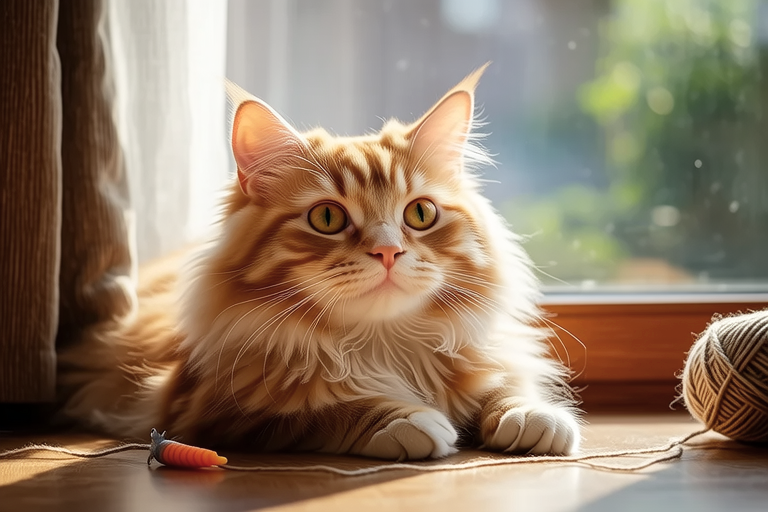
The Cozy Life of an Orange Cat: Insider Tips for Happy Purring
Welcome to the world of orange cats, where warmth and charm meet a dash of mystery. These felines, often associated with sunshine and joy, have captured the hearts of many cat lovers. Their distinctive orange coats can range from a soft cream to a deep, rich ginger, making each one unique. This article delves into the cozy life of an orange cat, offering insider tips for ensuring their happiness and well-being. From dietary preferences to favorite activities and grooming needs, we’ll explore everything you need to know to keep your orange cat purring contentedly.
Dietary Preferences: Fueling the Fire
Orange cats, like all felines, require a balanced diet to thrive. Their dietary preferences are influenced by their natural hunting instincts and nutritional needs. High-protein diets are essential, as they mimic the prey that would be part of their wild ancestors’ meals. Opt for high-quality cat food that lists meat as the primary ingredient. Many orange cats also enjoy a mix of wet and dry food, which can help maintain their dental health while providing variety.
Personal anecdote: My orange cat, Ginger, loves nothing more than a juicy piece of chicken. She’ll even wait patiently by the kitchen door when she hears the sizzle of her favorite treat. It’s fascinating to watch her eat with such gusto, as if she’s reliving her days as a skilled hunter.
Favorite Activities: Playtime and Rest
Orange cats are known for their playful nature and love for interactive play. They enjoy chasing toys, especially those that mimic the movement of small prey. Laser pointers and feather wands are particularly popular, as they stimulate their natural predatory instincts. However, it’s important to balance playtime with periods of rest, as orange cats tend to be creatures of habit and enjoy their quiet moments.
Scientific fact: The playful behavior of orange cats can be attributed to their genetics. Studies suggest that the gene responsible for their orange coat may also influence their temperament, making them more sociable and outgoing compared to other breeds.
Grooming Needs: Maintaining a Lustrous Coat
An orange cat’s coat is one of its most striking features, and maintaining its luster requires regular grooming. While orange cats generally have shorter hair, they still benefit from weekly brushing to remove loose fur and prevent matting. This not only keeps their coat healthy but also helps reduce shedding, which can be beneficial for allergy sufferers.
Practical tip: Invest in a soft-bristled brush designed for short-haired cats. Gently brush your orange cat in the direction of hair growth to avoid irritating their skin. Regular grooming sessions also provide an opportunity to bond with your cat and check for any signs of skin issues or parasites.
Ideal Living Environments: Creating a Comfortable Space
Orange cats are adaptable and can thrive in various living environments, from spacious homes to cozy apartments. However, they do have specific preferences that can enhance their comfort and happiness. Provide them with plenty of vertical spaces, such as cat trees or shelves, where they can observe their surroundings from a higher vantage point. This mimics their natural behavior of climbing and perching.
Personal anecdote: I’ve noticed that my orange cat prefers to sleep in elevated spots, such as the top of the wardrobe or the windowsill. These locations offer a sense of security and allow him to survey his territory, much like he would in the wild.
Health Considerations: Keeping Your Orange Cat Healthy
While orange cats are generally healthy, there are some common health issues to be aware of. Gingivitis and periodontal disease are more prevalent in orange cats, possibly due to their genetic predisposition. Regular dental care, including brushing and professional cleanings, is crucial to maintaining their oral health.
Scientific fact: Research has shown that orange cats may have a higher risk of certain diseases, such as hypertrophic cardiomyopathy (HCM). Early detection through routine veterinary check-ups can significantly improve outcomes.
Encouraging Purring: The Secret to Contentment
Purring is a sign of contentment in cats, and there are several ways to encourage this delightful sound. Spend quality time with your orange cat, engaging in gentle petting, soothing massages, and quiet conversations. Use positive reinforcement techniques, such as treats and praise, to reward good behavior and create a positive association with interactions.
Practical tip: Create a comfortable and inviting space for your orange cat, complete with soft bedding, cozy blankets, and a warm spot near a window. A peaceful environment will make your cat feel safe and secure, fostering a purring-friendly atmosphere.
Sharing Experiences: Join the Community
We’d love to hear about your experiences with orange cats. Share stories, photos, and tips with fellow cat enthusiasts in our online community. Whether you’re a seasoned owner or just starting your journey with an orange cat, your insights can help others provide the best care for their beloved feline companions.
Together, let’s celebrate the unique qualities and delightful personalities of orange cats. By understanding their dietary preferences, favorite activities, grooming needs, and ideal living environments, we can ensure that these charming creatures lead happy, healthy lives filled with purrs of contentment.
