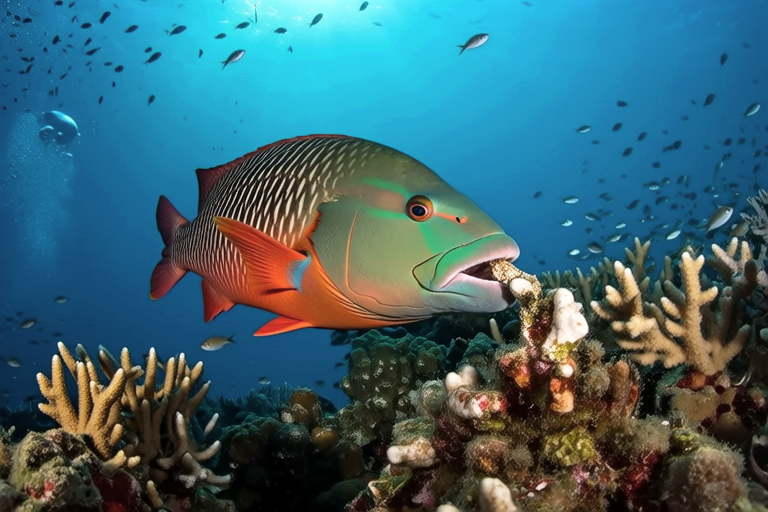
How Parrot Fish Are Shaping Our Oceans One Bite at a Time
Introduction:
Parrotfish, with their vibrant colors and distinctive beak-like mouths, are more than just a dazzling sight in the ocean’s waters. These fascinating creatures play a pivotal role in maintaining the health of coral reefs and shaping the marine ecosystem through their unique eating habits. This article delves into the world of parrotfish, exploring their feeding behaviors, their critical role in reef maintenance, and the broader implications of their presence or absence in our oceans.
The Unique Eating Habits of Parrot Fish
Parrotfish possess a specialized set of teeth that form a beak-like structure, perfectly suited for scraping algae off coral surfaces. Their diet primarily consists of algae and other organic matter found on coral reefs. This feeding behavior is not only essential for their survival but also has profound effects on the surrounding environment. By constantly grazing on algae, parrotfish help to prevent overgrowth, which can otherwise smother and kill corals.
One remarkable aspect of their feeding process is their ability to ingest vast amounts of coral skeleton along with the algae. This material passes through their digestive system, where it is processed and excreted as sand. In fact, it is estimated that a single large parrotfish can produce up to 90 kilograms of sand per year. This activity significantly contributes to the formation of beaches and the overall composition of reef environments.
The Role of Parrot Fish in Coral Reef Health
Parrotfish are crucial in maintaining the balance between algae and coral on reefs. They act as natural ‘mowers,’ keeping algae populations in check. Without this control, algae can rapidly overgrow coral, reducing light penetration and hindering coral growth. The symbiotic relationship between parrotfish and coral reefs is vital for the survival of both parties. Healthy coral provides parrotfish with a reliable food source, while the fish’s grazing ensures that the coral remains healthy and vibrant.
In addition to controlling algae, parrotfish contribute to coral regeneration by removing dead coral tissue and facilitating new coral growth. This process helps to maintain the structural integrity of reefs, which is essential for providing habitat for numerous marine species. Thus, the presence of parrotfish is integral to the resilience and sustainability of coral reef ecosystems.
Symbiotic Relationships and Algae Control
The symbiotic relationships that parrotfish foster are fundamental to the health of coral reefs. By controlling algal blooms, they indirectly support a wide array of marine life that depends on the reef for shelter and sustenance. Many species of fish, crustaceans, and mollusks rely on the complex structure of coral reefs for protection from predators. Without the algae control provided by parrotfish, these habitats would become less viable, leading to a decline in biodiversity.
Moreover, parrotfish contribute to nutrient cycling within the reef ecosystem. As they digest algae and coral debris, they release nutrients back into the water, which can then be used by other organisms. This recycling of nutrients supports the growth of phytoplankton, which forms the base of the marine food web. Consequently, the presence of parrotfish enhances the productivity and stability of the entire reef community.
Potential Threats to Parrot Fish Populations
Despite their importance, parrotfish populations face numerous threats that could jeopardize their role in maintaining ocean health. Overfishing is one of the most significant challenges, particularly in areas where fishing practices are not regulated. Many coastal communities rely on fishing for their livelihood, and without proper management, parrotfish stocks can quickly deplete.
Invasive species and pollution also pose serious risks. Invasive algae can outcompete native species and alter the balance of the ecosystem, while pollutants such as plastic waste and agricultural runoff can harm both parrotfish and the reefs they inhabit. Climate change further exacerbates these issues, as rising sea temperatures and ocean acidification can weaken coral structures, making them more susceptible to damage from algae and other stressors.
Cascading Effects of Declining Parrot Fish Populations
A decline in parrotfish populations could have far-reaching consequences for ocean health. With fewer parrotfish to control algae growth, coral reefs may suffer from increased algae cover, leading to a loss of coral diversity and reduced habitat availability for other marine species. This degradation could result in a chain reaction throughout the food web, affecting everything from small fish to apex predators.
Additionally, the reduction in sand production due to declining parrotfish numbers could impact beach formation and coastal erosion patterns. Beaches play a crucial role in protecting coastlines from storms and providing nesting sites for various animals. Therefore, any disruption in the sand supply could lead to significant environmental and economic impacts.
Conclusion
Parrotfish are unsung heroes of the marine world, silently shaping our oceans one bite at a time. Their unique feeding habits and symbiotic relationships with coral reefs are vital for maintaining the delicate balance of marine ecosystems. By controlling algae growth and supporting nutrient cycling, parrotfish ensure the health and resilience of coral reefs, which in turn benefit countless other species.
However, the threats facing parrotfish populations highlight the urgent need for conservation efforts. Protecting these fish not only safeguards their future but also helps preserve the rich biodiversity of our oceans. Through sustainable fishing practices, pollution reduction, and climate action, we can work towards ensuring that parrotfish continue to thrive and fulfill their indispensable role in our marine environments.
