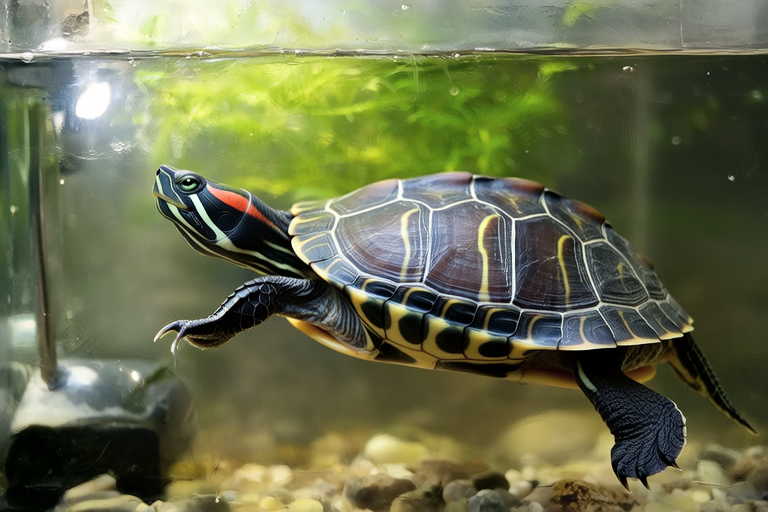
The Ultimate Guide to Creating the Perfect Habitat for Your Red-Eared Slider
Red-eared sliders (Trachemys scripta elegans) are one of the most popular pet turtle species. They are semi-aquatic and require a carefully designed habitat that mimics their natural environment. Proper care and attention to detail will ensure your red-eared slider lives a long and healthy life. This guide covers everything you need to know about creating the perfect habitat for your red-eared slider, including habitat size, water quality maintenance, temperature control, UV lighting requirements, substrate options, necessary accessories, diet considerations, and tips for maintaining overall health.
Habitat Size
The first and most crucial factor in setting up a habitat for your red-eared slider is ensuring it has enough space. A rule of thumb is to provide at least 10 gallons of water per inch of shell length for hatchlings. As they grow, this requirement increases. For an adult red-eared slider with a shell length of around 10 inches, you will need at least 80 gallons of water. The tank should be large enough to allow your turtle ample room to swim, dive, and explore. Additionally, the tank should have a dry area for your turtle to bask, which can be achieved by adding a platform or ramp.
Water Quality Maintenance
Maintaining clean water is vital for the health of your red-eared slider. Water should be kept as clean as possible, free from harmful bacteria and ammonia. Regular water changes are necessary, typically every week for smaller tanks or bi-weekly for larger ones. A high-quality filtration system is also essential. It should be powerful enough to handle the volume of water while being gentle enough not to disturb the turtle. Consideration should also be given to the type of filter used; under-gravel filters are generally not recommended as they can interfere with the turtle’s ability to dig and may create dead spots where waste can accumulate.
Temperature Control
Red-eared sliders are ectothermic, meaning they rely on external sources to regulate their body temperature. The ideal water temperature range for them is between 75°F and 80°F (24°C to 27°C). To maintain this temperature, you can use submersible heaters placed away from areas where the turtle might bump into them. It’s important to monitor the water temperature regularly and adjust the heater if necessary. The air temperature above the water should be slightly warmer, around 85°F to 90°F (29°C to 32°C), to encourage proper digestion and metabolism.
UV Lighting Requirements
Ultraviolet light is crucial for the health of your red-eared slider. Exposure to UVB light helps the turtle synthesize vitamin D3, which is necessary for calcium absorption and bone health. Without adequate UVB exposure, your turtle may develop metabolic bone disease. Therefore, it’s important to provide full-spectrum UVB lighting over the basking area. The light should be positioned so that the turtle can bask within 6 to 12 inches of the bulb. Replace the bulbs every six months to ensure they remain effective, even if they haven’t burned out.
Appropriate Substrate Options
The substrate you choose for your red-eared slider’s habitat is critical. In the water, avoid using gravel or sand as small particles can be ingested and cause impaction. Instead, opt for larger, smoother stones or none at all. On land, coconut fiber, reptile carpet, or slate tiles are good choices. These substrates are easy to clean and don’t pose a risk of ingestion. Ensure that any substrate used does not retain moisture, which could lead to bacterial growth or mold.
Necessary Accessories
Your red-eared slider’s habitat should include several accessories to enhance its comfort and well-being. A ramp or sloped area should be provided to help the turtle easily move between the water and the dry land. A basking platform should also be included, ideally made of wood or stone, and positioned so that the turtle can fully extend its limbs when basking. Additional accessories such as floating logs or rocks can add enrichment and interest to the habitat.
Diet Considerations
Feeding your red-eared slider a balanced diet is essential for its health. Their diet should consist of both commercial turtle pellets and fresh vegetables. Leafy greens like romaine lettuce, collard greens, and kale are excellent choices. Occasional treats of fruits, earthworms, or other insects can be offered but should not make up a significant portion of their diet. Juvenile turtles should be fed daily, while adults can be fed every two to three days. Always ensure that any food items are appropriately sized for your turtle to prevent choking.
Tips for Maintaining Overall Health
To keep your red-eared slider healthy, regular veterinary check-ups are recommended. Look for signs of illness such as lethargy, loss of appetite, swollen eyes, or respiratory issues. Cleanliness is key; regularly clean the tank and replace water to prevent infections. Provide a variety of hiding spots and environmental enrichment to reduce stress. Lastly, pay attention to your turtle’s behavior and weight; sudden changes can indicate underlying health issues.
In conclusion, creating the perfect habitat for your red-eared slider involves careful consideration of many factors. By providing the right amount of space, maintaining optimal water quality, controlling temperatures, ensuring adequate UVB exposure, selecting appropriate substrates, adding necessary accessories, feeding a balanced diet, and following general health tips, you can ensure your turtle enjoys a long and healthy life. Remember, the time and effort invested in setting up a proper habitat will significantly contribute to the well-being of your pet.
