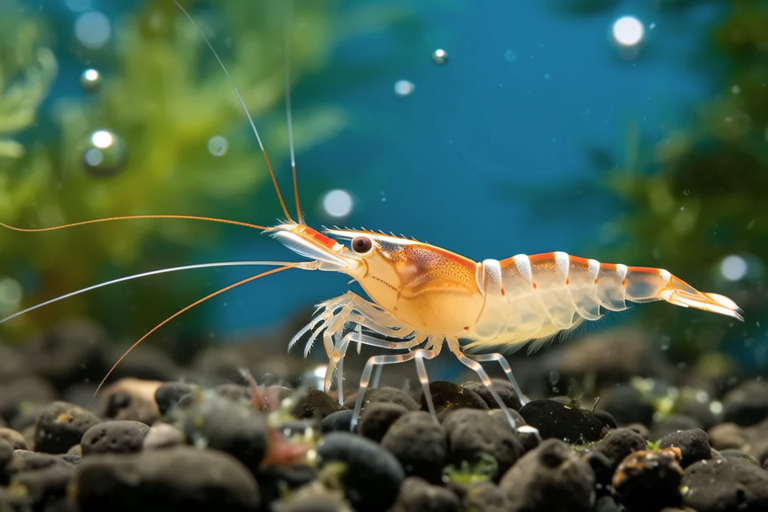
Top Secrets for Raising Happy and Healthy Coral Shrimp at Home
Welcome to the fascinating world of coral shrimp! These tiny crustaceans are not only beautiful but also relatively easy to care for when provided with the right environment. If you’re thinking about adding these delightful creatures to your aquarium, this guide will provide you with all the essential information to ensure your coral shrimp thrive in their new home.
Setting Up the Perfect Aquarium Environment
The first step in raising happy and healthy coral shrimp is creating an optimal living space. Coral shrimp are sensitive to their surroundings, so it’s crucial to set up a well-planned aquarium that mimics their natural habitat.
- Choose the Right Tank Size: A minimum tank size of 10 gallons (38 liters) is recommended for a small group of coral shrimp. Larger tanks offer more stability and allow for better water quality.
- Provide Hiding Spots: Coral shrimp need places to hide and feel secure. Incorporate plenty of live rock, caves, and plants into your aquarium setup. This not only provides shelter but also helps in maintaining water quality by promoting beneficial bacteria growth.
- Lighting: While coral shrimp can adapt to various lighting conditions, it’s best to avoid excessively bright lights as they may stress the shrimp. Opt for moderate lighting or consider using blue LED lights which are less stressful for the shrimp.
Ideal Water Parameters
Maintaining proper water parameters is critical for the well-being of coral shrimp. Here’s what you need to keep in mind:
- Temperature: Aim for a stable temperature between 72°F and 78°F (22°C to 26°C). Use a reliable heater and thermometer to monitor and maintain this range.
- pH Levels: The pH should be kept between 7.8 and 8.4. Regular testing and adjustments using appropriate chemicals can help maintain these levels.
- Ammonia and Nitrite: Both ammonia and nitrite should be undetectable in the water. A properly cycled tank with sufficient biological filtration will help achieve this.
- Nitrate: Keep nitrates below 20 ppm. Regular partial water changes and efficient filtration systems are key to controlling nitrate levels.
Suitable Tank Mates
Choosing the right tank mates is essential to ensure the well-being of your coral shrimp. Avoid aggressive fish species that might prey on them. Some suitable tank mates include:
- Peaceful community fish like guppies, mollies, and tetras.
- Invertebrates such as snails and other peaceful shrimp species.
However, avoid placing coral shrimp with large predatory fish or those known for nipping at invertebrates. Always research potential tank mates thoroughly before introducing them to your aquarium.
Diet Specifics
Coral shrimp are omnivores and require a balanced diet to stay healthy. Their diet should consist of both plant-based and protein-rich foods:
- Algae-Based Foods: Provide algae wafers, spirulina flakes, and fresh vegetables like zucchini or spinach. These foods offer essential nutrients and fiber.
- Protein-Rich Foods: Supplement their diet with high-quality shrimp pellets, frozen bloodworms, and brine shrimp. These foods supply the necessary proteins for growth and development.
- Feeding Frequency: Feed your coral shrimp small portions two to three times a week. Overfeeding can lead to poor water quality and health issues.
Regular Maintenance Routines
To keep your coral shrimp healthy, regular maintenance is vital. Here are some key practices to incorporate into your routine:
- Water Changes: Perform weekly water changes of about 20% to maintain water quality. Ensure the replacement water matches the tank’s temperature and chemistry.
- Filtration: Use a good quality filter that supports biological, mechanical, and chemical filtration. Regularly clean the filter media to prevent clogging and maintain efficiency.
- Monitoring Equipment: Check the functioning of heaters, filters, and pumps regularly. Replace any worn-out parts promptly to avoid disruptions in the tank’s ecosystem.
Common Health Issues to Watch For
Even with the best care, coral shrimp can sometimes face health challenges. Here are some common issues and how to address them:
- Parasites: Look out for signs of parasites such as white spots or frayed antennae. Quarantine affected shrimp immediately and treat with appropriate medication.
- Shell Rot: This condition appears as soft spots or holes in the shrimp’s exoskeleton. Improve water quality and provide a varied diet rich in calcium to aid recovery.
- Stress: Stress can manifest as lethargy, reduced appetite, or erratic swimming. Identify and eliminate stressors such as poor water quality, aggressive tank mates, or sudden environmental changes.
Conclusion
Raising happy and healthy coral shrimp requires attention to detail and dedication. By providing them with the right environment, maintaining ideal water parameters, selecting compatible tank mates, offering a balanced diet, and performing regular maintenance, you can ensure your coral shrimp thrive in your home aquarium. Remember, every aquarium setup is unique, so continuously observe your shrimp and make adjustments as needed. With patience and care, you’ll enjoy watching your coral shrimp flourish and bring joy to your aquatic world.
