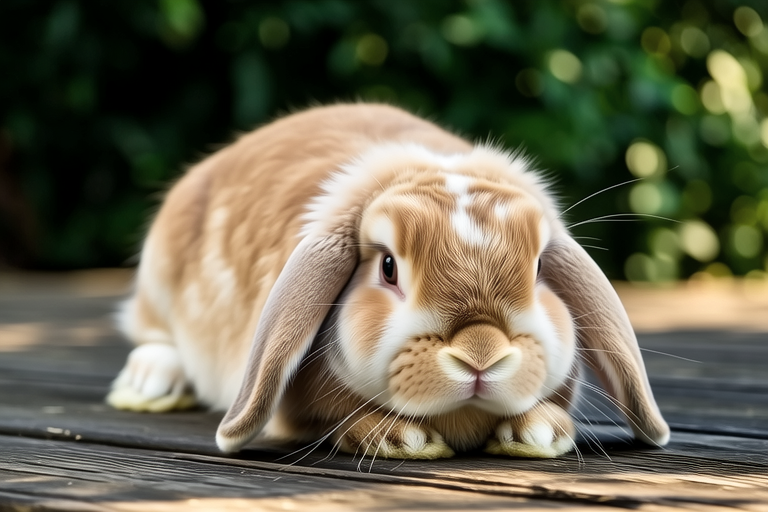
Lop Rabbits: The Perfect Pet for Every Homeowner
Welcome to the wonderful world of lop rabbits! These gentle creatures have won the hearts of many pet lovers across the globe. With their soft fur, floppy ears, and affectionate personalities, lop rabbits are a popular choice among both novice and experienced pet owners. In this article, we will explore the various breeds, sizes, and unique physical characteristics of lop rabbits. We will also discuss why they make ideal pets for different types of homes, considering space, care requirements, and compatibility with children and other pets. Finally, we’ll provide tips on proper diet, housing, grooming, and healthcare, along with the emotional benefits of owning a lop rabbit.
The Popularity and Gentle Nature of Lop Rabbits
Lop rabbits have been a favorite among pet owners for decades. Their calm demeanor and friendly nature make them perfect companions for families and individuals alike. Whether you’re looking for a pet to cuddle with or simply want a low-maintenance companion, lop rabbits offer a delightful experience for any homeowner. These rabbits are known for their gentle disposition, making them excellent pets for children. They are generally docile and patient, which means they can tolerate handling well. However, it’s important to remember that even the most gentle animals require proper care and respect from their human companions.
Varieties of Lop Rabbits
There are several breeds of lop rabbits, each with its own distinct characteristics. Some of the most popular breeds include the English Lop, French Lop, and Mini Lop. The English Lop is the largest breed, known for its exceptionally long ears that can reach up to 20 inches. This breed requires more space and attention but is highly valued for its unique appearance. The French Lop, on the other hand, is a medium-sized breed with shorter ears than the English Lop. It is known for its robust build and friendly personality. The Mini Lop is the smallest breed, making it an ideal choice for those with limited space. Despite their small size, Mini Lops are just as playful and affectionate as their larger counterparts.
Sizes and Unique Physical Characteristics
Lop rabbits come in a variety of sizes, ranging from the large English Lop to the compact Mini Lop. Each breed has its own set of physical traits that contribute to its charm. One of the most distinctive features of lop rabbits is their floppy ears, which are a result of genetic mutations. These ears are not only adorable but also serve as a cooling mechanism for the rabbit. Another notable feature is their soft, dense fur, which comes in a wide range of colors and patterns. Some lop rabbits have short, smooth coats, while others have longer, fluffier fur. Proper grooming is essential to keep their coat healthy and free of mats.
Why Lop Rabbits Make Ideal Pets for Different Types of Homes
Space Considerations
Lop rabbits can thrive in a variety of living situations, from spacious suburban homes to smaller urban apartments. While larger breeds like the English Lop require more space, smaller breeds like the Mini Lop can be accommodated in a cozy apartment. It’s important to provide your lop rabbit with plenty of room to move around and exercise. A spacious indoor or outdoor hutch is ideal, but you can also create a designated area in your home for your rabbit to roam freely. Just make sure to supervise them at all times to ensure their safety.
Care Requirements
Lop rabbits are relatively low-maintenance pets compared to some other animals. However, they still require proper care to ensure their health and happiness. Providing a balanced diet, clean water, and regular exercise is crucial for maintaining their well-being. A high-quality hay-based diet is recommended, supplemented with fresh vegetables and fruits. Avoid feeding your rabbit too many treats, as these can lead to weight gain and digestive issues. Regular grooming is also necessary to prevent matting and skin problems. Depending on the breed, your rabbit may need to be brushed daily or weekly.
Compatibility with Children and Other Pets
Lop rabbits are generally good-natured and patient, making them excellent companions for children. However, it’s important to teach children how to handle and interact with their rabbit gently. Rabbits are delicate animals and can easily become stressed or injured if mishandled. Introducing your lop rabbit to other pets, such as dogs or cats, should be done gradually and under supervision. While some rabbits may coexist peacefully with other animals, it’s always best to err on the side of caution and provide a safe environment for all pets.
Tips for Proper Diet, Housing, Grooming, and Health Care
Diet
A healthy diet is essential for the overall well-being of your lop rabbit. The majority of their diet should consist of hay, which provides necessary fiber for digestion and helps maintain dental health. Fresh vegetables and fruits can be offered in moderation, but avoid feeding your rabbit too many sugary treats. Pellets formulated specifically for rabbits can also be included in their diet, but these should not make up the bulk of their meals. Always consult with your veterinarian to determine the appropriate amount of food for your rabbit based on their age, size, and activity level.
Housing
Proper housing is crucial for the comfort and safety of your lop rabbit. An indoor or outdoor hutch with ample space for movement is ideal. The hutch should be secure, with sturdy walls and a locking mechanism to prevent escapes. If you choose to keep your rabbit indoors, consider creating a designated area within your home where they can safely explore. Rabbit-proofing this area by removing any hazards, such as electrical cords or toxic plants, is essential. Additionally, providing a comfortable resting area with soft bedding and hiding spots will help your rabbit feel secure.
Grooming
Grooming your lop rabbit regularly will help keep their coat healthy and prevent skin problems. Brushing your rabbit’s fur daily or weekly, depending on the breed, can remove loose hair and prevent matting. Bathing is generally unnecessary unless your rabbit becomes excessively dirty. If you do need to bathe your rabbit, use a mild, rabbit-safe shampoo and be sure to thoroughly rinse them afterward. Pay special attention to their ears, as they can accumulate dirt and debris over time. Cleaning their ears gently with a damp cloth can help prevent infections.
Health Care
Regular veterinary check-ups are important for maintaining your lop rabbit’s health. Your veterinarian can perform routine examinations, administer vaccinations, and address any concerns you may have about your rabbit’s well-being. Dental care is particularly important for rabbits, as their teeth continue to grow throughout their lives. Providing them with chew toys and opportunities to gnaw on hay can help keep their teeth in good condition. Monitoring your rabbit’s behavior and appetite can also help detect any potential health issues early on.
The Emotional Benefits of Owning a Lop Rabbit
Owning a lop rabbit can bring numerous emotional benefits to your life. Their gentle presence can provide comfort and companionship, especially during stressful times. Interacting with your rabbit through play and grooming can help reduce stress and anxiety. For children, having a pet can teach responsibility, empathy, and the importance of caring for another living being. Lop rabbits are known for their affectionate nature, often seeking out human interaction and companionship. Their calm demeanor and playful antics can bring joy and laughter into your home. Ultimately, lop rabbits are well-suited to be cherished companions in every household, offering love and companionship to their human families.
