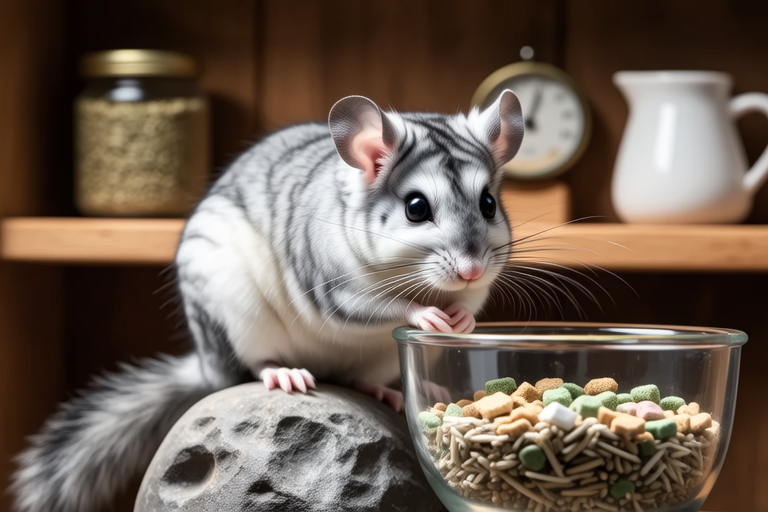
Chinchilla Care Secrets Every Owner Should Know Before Getting One
Chinchillas are small, furry creatures that have gained popularity as pets in recent years. Their unique appearance, playful nature, and relatively low maintenance requirements make them appealing to many potential owners. However, before bringing a chinchilla into your home, it’s crucial to understand their specific care needs, habitat preferences, dietary requirements, and social behaviors. This guide will provide you with essential facts and tips to ensure you’re well-prepared for chinchilla ownership.
The Natural Habitat of Chinchillas
Originating from the Andes Mountains in South America, chinchillas thrive in cold, high-altitude environments. These nocturnal animals are highly active during the night and prefer cool temperatures, typically between 60 to 70 degrees Fahrenheit. The natural habitat of chinchillas is characterized by rocky outcrops and dense vegetation, offering them ample hiding spots and protection from predators. Understanding these environmental factors can help you replicate a similar living space for your pet chinchilla at home.
Dietary Needs
Chinchillas have a specialized diet that primarily consists of hay, pellets, and fresh water. Timothy hay is particularly important as it aids digestion and keeps their teeth healthy. Pellets designed specifically for chinchillas should be provided in limited quantities to avoid overfeeding, which can lead to obesity. Fresh vegetables like carrots, broccoli, and spinach can be offered sparingly as treats but should never replace their main diet. It’s also crucial to ensure they always have access to clean, fresh water, as dehydration can be fatal.
Grooming Requirements
One of the most distinctive features of chinchillas is their incredibly soft fur, which requires special attention. Unlike other pets, chinchillas don’t need baths with water; instead, they require dust baths. Special chinchilla dust made from volcanic ash should be provided twice a week for approximately 15 minutes. This helps remove dirt and excess oils from their fur without damaging it. Additionally, regular nail trimming is necessary to prevent overgrowth, which can cause discomfort or injury.
Social Behavior
Chinchillas are naturally solitary animals in the wild but can adapt well to life in captivity when given proper companionship. While some owners choose to keep multiple chinchillas together, it’s important to introduce them gradually and monitor their interactions closely. Male chinchillas may fight if kept together, so it’s generally recommended to house males separately unless introduced at a young age. Females tend to get along better but still need careful supervision. Providing plenty of toys and enrichment activities can help reduce stress and promote positive social interactions.
Common Mistakes New Owners Make
New chinchilla owners often underestimate the amount of time and effort required to properly care for these animals. Some common pitfalls include inadequate housing, insufficient exercise opportunities, and improper handling techniques. Many first-time owners might not realize how sensitive chinchillas are to sudden movements or loud noises, which can easily startle them. Additionally, failing to provide enough mental stimulation through toys and playtime can lead to behavioral issues such as chewing on cage bars or excessive vocalization.
Creating a Safe and Stimulating Environment
To ensure your chinchilla leads a happy and healthy life, it’s vital to create a safe and stimulating environment. A spacious cage equipped with multiple levels allows your pet to explore and exercise freely. Include various hiding spots, tunnels, and climbing structures to mimic their natural habitat. Providing chew toys made from untreated wood or cardboard helps satisfy their instinctual urge to gnaw while preventing dental problems. Regular interaction and supervised playtime outside the cage are also essential for bonding and mental well-being.
Health Concerns and Preventive Measures
Chinchillas are generally hardy animals but are prone to certain health issues if not cared for properly. Dental problems are common due to their continuously growing teeth, so providing appropriate chew toys is crucial. Respiratory infections can occur if the living environment is too humid or dirty, so maintaining cleanliness and ensuring good ventilation are key. Regular veterinary check-ups can help catch any potential health issues early on, ensuring prompt treatment and better outcomes.
Conclusion
Owning a chinchilla can be a rewarding experience, but it comes with significant responsibilities. By understanding their natural habitat, dietary needs, grooming requirements, and social behaviors, you can provide your pet with everything they need to thrive. Avoiding common mistakes and creating a safe, stimulating environment will contribute to their overall happiness and longevity. With proper care and attention, your chinchilla will become a beloved member of your family, bringing joy and companionship for years to come.
