Everything You Need to Know Before Adopting a Red-Eared Slider Pet
Introduction
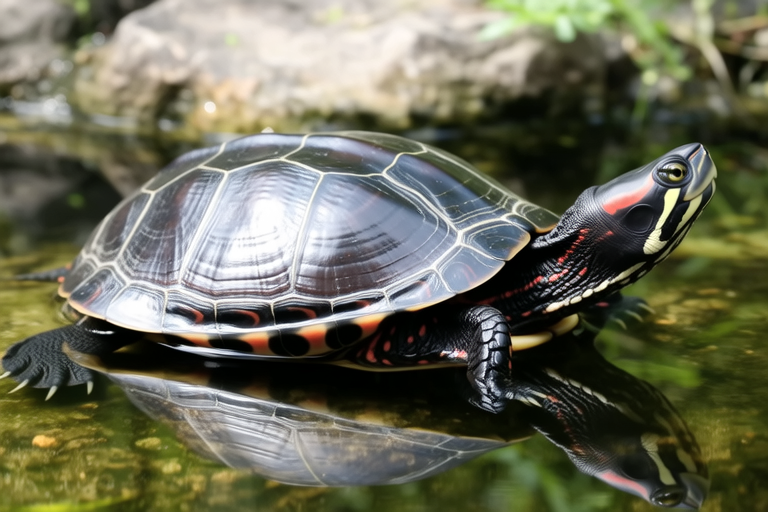
Red-eared sliders (Trachemys scripta elegans) have long been a popular choice among pet enthusiasts, captivating people with their vibrant green shells and gentle demeanor. These semi-aquatic turtles are native to the southern United States and northern Mexico but have gained widespread appeal globally. Their charm lies in their adaptability and relatively low maintenance compared to other exotic pets. However, before diving into the world of red-eared slider ownership, it’s crucial to understand their specific needs to ensure they live a healthy and fulfilling life.
Habitat Requirements
Creating a suitable environment for your red-eared slider is paramount to its well-being. The primary requirement is a spacious tank that allows ample swimming space and basking areas. A general rule of thumb is to provide at least 10 gallons of water per inch of the turtle’s shell length. For example, a young turtle with a 4-inch shell would need a minimum of 40 gallons. As they grow, so should their living space.
Water quality is another critical aspect. Use a filtration system to maintain clean water, changing approximately 25% of the water weekly. Regular water changes help prevent bacterial growth and keep ammonia levels in check. Additionally, ensure the tank has a UVB light source and a basking area heated to around 85-90 degrees Fahrenheit. This setup mimics natural sunlight, which is essential for calcium absorption and overall health.
Dietary Needs
Feeding your red-eared slider a balanced diet is key to their longevity and vitality. Commercial turtle pellets provide a convenient base, offering a mix of nutrients. However, supplementing their diet with fresh foods enhances their nutrition. Offer leafy greens like romaine lettuce, kale, and dandelion greens. Small amounts of fruits such as strawberries or bananas can be given occasionally, but avoid excessive sugary treats.
Insects and protein sources such as earthworms, mealworms, and cooked chicken or beef can be introduced in moderation. Ensure any meat is fully cooked and free from seasoning. Feeding frequency varies based on age; younger turtles may eat daily, while adults typically require feeding every two to three days. Always monitor portion sizes to prevent overeating, which can lead to obesity and related health issues.
Common Health Issues and Preventive Care
Like any pet, red-eared sliders are susceptible to various health problems. Shell rot, often caused by poor water quality, manifests as soft or discolored patches on the shell. Regularly inspect your turtle’s shell and promptly address any signs of infection with veterinary guidance. Respiratory infections can occur due to cold temperatures or stress. Symptoms include lethargy, loss of appetite, and discharge from the nose or eyes. Maintaining optimal tank conditions and providing a warm basking area can prevent these issues.
Veterinary check-ups are essential for early detection and treatment of health issues. Annual visits allow veterinarians to assess overall health, perform blood tests, and administer necessary vaccinations. Additionally, maintaining proper hygiene and handling practices reduces the risk of transmitting diseases between you and your pet.
Behavioral Patterns and Interaction with Humans
Understanding your red-eared slider’s behavior helps build a stronger bond and ensures their happiness. While they are generally solitary animals, they can become accustomed to human interaction through gentle handling. Begin by allowing them to acclimate to their new home before introducing frequent handling sessions. Patience is key, as some turtles may take longer to trust their owners.
Red-eared sliders exhibit distinct behaviors that indicate their mood or needs. Active swimming and basking suggest they are comfortable and healthy. Conversely, lethargic behavior or reluctance to eat might signal illness or discomfort. Observing these cues helps owners respond appropriately, whether it’s adjusting environmental factors or seeking professional advice.
Tips on Responsible Ownership and Commitment
Owning a red-eared slider is a long-term commitment that requires dedication and resources. These turtles can live up to 30 years, making it essential to consider the financial and time investment involved. Setting up a proper habitat, providing nutritious food, and ensuring regular veterinary care all contribute to their well-being.
Responsible ownership also involves being mindful of local regulations. Some areas restrict or prohibit the keeping of red-eared sliders due to concerns about invasive species or environmental impact. Research and comply with local laws to ensure you’re legally able to keep a red-eared slider as a pet.
Finally, consider the potential impact on the ecosystem if your pet escapes or is released. Red-eared sliders are known to thrive in non-native environments, potentially outcompeting local species for resources. By being a responsible owner, you help protect both your pet and the surrounding wildlife.
Conclusion
Adopting a red-eared slider can be a rewarding experience, offering companionship and joy for many years. By understanding their habitat, dietary, and healthcare needs, you set the stage for a thriving relationship. With proper care and attention, your red-eared slider will lead a healthy and fulfilling life, enriching yours in the process. Remember, the commitment to a long-lived pet is significant, but the rewards make it worthwhile for those prepared to embrace the challenge.
