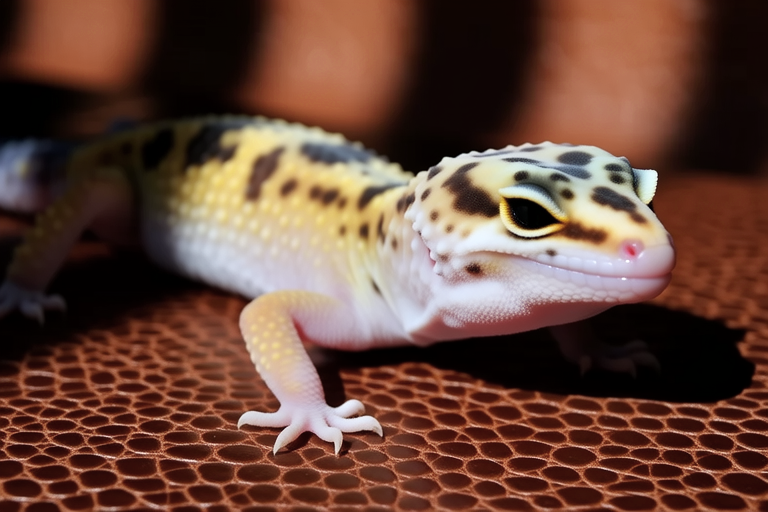
Unleashing the Mystery: Everything You Need to Know About Leopard Geckos
Welcome to the fascinating world of Leopard Geckos! These captivating creatures have been growing in popularity as pets due to their docile nature, manageable size, and relatively low maintenance requirements. In this comprehensive guide, we will explore every aspect of these unique reptiles, from their natural habitat and dietary needs to common health issues, behavior traits, and ideal living conditions. Whether you’re a novice or an experienced reptile owner, this article will provide you with valuable insights into keeping Leopard Geckos as pets.
Natural Habitat
Leopard Geckos (Eublepharis macularius) originate from the arid regions of Afghanistan, Pakistan, and parts of India. They thrive in desert environments characterized by rocky terrains, sandy soil, and sparse vegetation. The climate in their natural habitat is typically dry and warm during the day, with cooler temperatures at night. This environment shapes their behavior and physiology, making it essential to replicate similar conditions when keeping them as pets.
Dietary Needs
Leopard Geckos are insectivores, meaning they primarily eat insects. Their diet should consist mainly of crickets, dubia roaches, and waxworms. It’s important to gut-load these insects with nutritious food before feeding them to your gecko. Gut-loading involves providing the insects with nutrient-rich foods to ensure they pass these nutrients on to your pet. Additionally, dusting the insects with calcium and vitamin D3 supplements helps prevent deficiencies that can lead to metabolic bone disease.
Common Health Issues
Like any other animal, Leopard Geckos can suffer from various health problems. One of the most common issues is metabolic bone disease (MBD), which occurs due to calcium and vitamin D3 deficiencies. Signs of MBD include swollen limbs, lethargy, and difficulty moving. Another frequent problem is impaction, where ingested substrate gets stuck in the digestive tract. To prevent this, avoid using small particle substrates like sand or gravel. Regular vet check-ups and maintaining proper hygiene are crucial for preventing and managing these issues.
Behavior Traits
Leopard Geckos are known for their calm demeanor and gentle nature, making them ideal pets for both children and adults. They are nocturnal animals, meaning they are most active during the night. During the day, they prefer to rest in dark, secure spots such as caves or hideouts. Leopard Geckos also exhibit interesting behaviors like tail-waving, which serves as a form of communication. They may wave their tails when threatened or during courtship displays. Understanding these behaviors can help you better interact with your pet and create a stimulating environment.
Ideal Living Conditions
Creating the right living conditions is crucial for the well-being of your Leopard Gecko. A glass tank with a secure lid is recommended, ensuring adequate ventilation while preventing escape. The tank should be large enough to accommodate a variety of hiding spots, climbing structures, and a shallow water dish. Maintaining the correct temperature gradient within the enclosure is vital; one side should be warmer (around 88-90°F) for basking, while the other side should remain cooler (70-75°F). Providing a heat lamp or ceramic heater can help achieve this temperature range. Substrate choices include paper towels, reptile carpet, or coconut fiber bedding, all of which are safe and easy to clean.
Tips for Choosing and Caring for a Leopard Gecko
When selecting a Leopard Gecko, look for signs of good health such as bright eyes, healthy skin, and strong movement. Avoid geckos with visible injuries, discharge from the eyes or nose, or signs of dehydration. Once you bring your new pet home, acclimate it slowly to its new environment. Provide fresh water daily and feed appropriately sized insects. Regular handling helps build trust between you and your gecko, but always handle them gently to avoid stress.
Unique Physical Features
Leopard Geckos possess several distinctive physical characteristics that set them apart from other lizards. Their skin is covered in tiny bumps called tubercles, giving them a rough texture. They also have large, expressive eyes with vertical pupils, allowing them to see well in low light conditions. Perhaps one of their most notable features is their ability to detach their tails when threatened. While the tail will eventually grow back, it won’t be identical to the original. Leopard Geckos come in a wide variety of colors and patterns, adding to their charm and appeal.
Interesting Behaviors
In addition to their unique physical features, Leopard Geckos display fascinating behaviors that make them intriguing companions. They are capable of autotomy, the voluntary shedding of their tails as a defense mechanism against predators. Another remarkable trait is their ability to vocalize; they produce soft chirping sounds, especially during breeding season or when feeling threatened. These vocalizations can vary in pitch and frequency, offering insight into the gecko’s emotional state.
Advice on Further Learning
To deepen your knowledge about Leopard Geckos, consider exploring books, articles, and forums dedicated to reptile care. Join online communities where enthusiasts share experiences, tips, and advice. Attending local reptile expos or workshops can also provide valuable hands-on learning opportunities. Always consult reputable sources when seeking information about your pet’s care, ensuring you follow best practices for their health and happiness.
