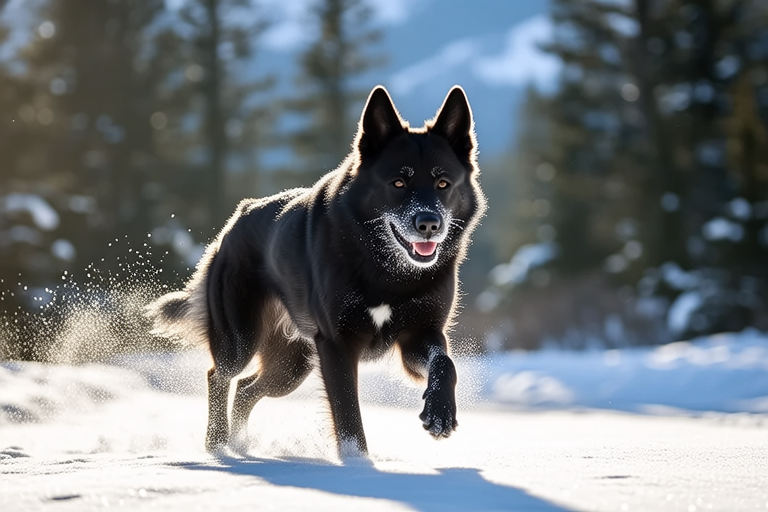
How Norwegians Are Raising Their Pets to Thrive in Extreme Weather
In Norway’s vast landscapes, where winter temperatures can plummet to -40°C and snow blankets the ground for months, pet ownership presents unique challenges. Yet, Norwegian pet owners have developed a range of practices, training methods, and care routines that enable their pets to thrive in such extreme conditions. This article explores these innovative approaches, combining traditional wisdom with modern science to ensure the well-being of pets in harsh environments.
Understanding the Challenges of Cold Climates
The cold climate poses significant risks to pets, including hypothermia, frostbite, and reduced mobility. Hypothermia occurs when the body temperature drops below normal levels, leading to shivering, lethargy, and potentially fatal organ failure. Frostbite, another serious concern, results from prolonged exposure to freezing temperatures, causing tissue damage. Both conditions require immediate medical attention but can be prevented through careful preparation and management.
Coats and Accessories: Essential Gear for Cold Weather
Norwegian pet owners understand the importance of appropriate clothing. Dogs and cats are often dressed in specially designed coats and boots to protect them from the elements. These garments are not just fashion accessories; they serve a vital purpose in maintaining body heat and preventing injury. High-quality, insulated jackets made from materials like wool or synthetic fibers provide warmth without restricting movement. Boots prevent paw injuries from sharp ice and chemicals used to melt snow.
Scientifically, these measures help regulate body temperature by creating an insulating barrier against the cold. The layer of air trapped between the fur and the coat acts as an additional thermal blanket, reducing heat loss. Similarly, paw protection minimizes direct contact with icy surfaces, which can cause frostbite within minutes.
Training for Winter Survival
Training is crucial for pets to adapt to cold weather. Norwegian dog owners often teach their dogs to walk on snowshoes, which distribute weight more evenly across the surface, preventing sinking and exhaustion. Cats may be trained to use indoor litter boxes during harsh weather, reducing the need for outdoor trips.
This training enhances pets’ physical fitness and mental resilience. Regular exercise helps maintain muscle mass and cardiovascular health, essential for generating body heat. Mental stimulation through training sessions also reduces stress and anxiety, promoting overall well-being.
Dietary Adjustments
Adjusting the diet is another key strategy. Pets in cold climates require more calories to maintain their body temperature. Norwegian pet owners often increase the fat content in their pets’ diets, providing high-energy foods rich in Omega-3 fatty acids. These fats not only enhance skin and coat health but also improve the insulation properties of the fur.
From a nutritional perspective, increased fat intake supports thermogenesis—the process of generating heat through metabolism. Additionally, Omega-3 fatty acids reduce inflammation and promote joint health, important for active pets in snowy terrain.
Indoor Living Arrangements
Many Norwegian pet owners opt for indoor living arrangements, especially for smaller pets or those less suited to outdoor activities. Indoor spaces are designed to be cozy and inviting, with soft bedding and heating pads. Larger pets may have access to heated outdoor runs equipped with insulated shelters.
Creating a warm, comfortable environment indoors helps pets conserve energy and stay healthy. Heating pads and insulated bedding provide additional warmth, ensuring pets remain comfortable even when temperatures drop outside. For larger pets with outdoor access, heated shelters offer refuge from the elements, maintaining their body temperature and reducing the risk of hypothermia.
Traditional Knowledge Meets Modern Innovations
While many practices are rooted in traditional knowledge passed down through generations, modern innovations have significantly enhanced pet care. Advanced materials and technologies now offer superior protection and comfort. For instance, some pet owners use heated dog beds powered by USB ports, providing a constant source of warmth.
Moreover, veterinarians in Norway have contributed valuable insights into pet health and behavior in cold climates. They recommend regular check-ups to monitor pets’ overall health and address any issues promptly. Vaccinations and parasite control are also critical, protecting pets from diseases that could weaken their immune systems and make them more susceptible to cold-related illnesses.
Community Support and Resources
The Norwegian community plays a vital role in supporting pet owners. Local animal shelters and rescue organizations provide resources and guidance, ensuring pets receive proper care. Community events and workshops educate pet owners about best practices for keeping their pets safe and healthy in extreme weather.
These resources foster a sense of community and shared responsibility, ensuring that all pets, regardless of their owners’ backgrounds, receive the care they need. By sharing knowledge and experiences, pet owners can learn from each other and continuously improve their practices.
Conclusion
Through a combination of practical measures, training, dietary adjustments, and community support, Norwegian pet owners have developed effective strategies for raising pets in extreme weather. These methods not only ensure the physical well-being of pets but also contribute to their mental health and happiness. As climate change continues to affect global temperatures, the lessons learned in Norway can be invaluable for pet owners worldwide facing similar challenges.
By adopting these practices, pet owners can provide their animals with the best possible care, allowing them to thrive in even the harshest conditions. Whether through traditional wisdom or modern innovations, the focus remains on the health, safety, and happiness of our beloved companions.
