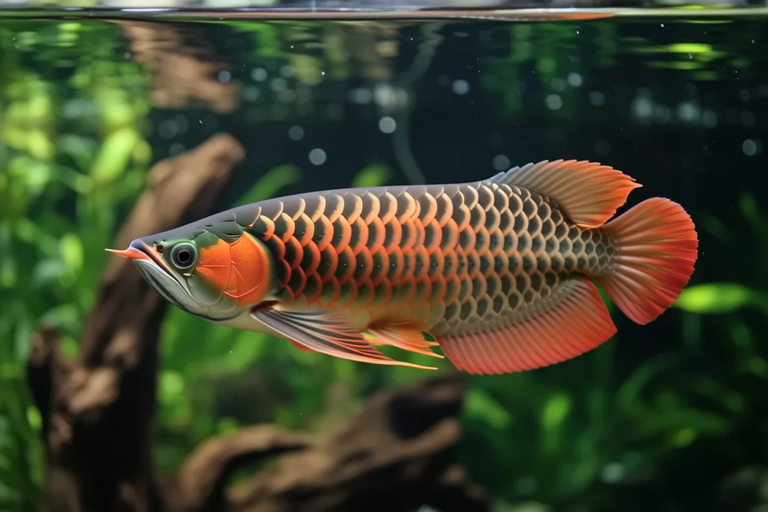
The Ultimate Guide to Owning and Caring for an Exotic Arowana Pet
Introduction to Arowanas
Arowanas are majestic and captivating fish that have been revered for centuries due to their unique appearance and behaviors. These freshwater fish are native to the rivers and streams of South America, Africa, and parts of Asia. Their elongated bodies, sleek scales, and ability to leap out of the water make them a standout choice for aquarium enthusiasts.
Unique Characteristics of Arowanas
Arowanas possess several distinctive features that set them apart from other fish species. One of the most notable is their ability to breathe air using a modified swim bladder, which allows them to survive in oxygen-depleted waters. They also have a strong sense of sight, enabling them to hunt prey from considerable distances. Additionally, their powerful jaws and teeth are well-suited for capturing and consuming large prey.
Legal Considerations
Before embarking on the journey of owning an arowana, it’s crucial to understand the legal implications. In many countries, there are strict regulations regarding the importation, breeding, and ownership of these exotic pets. Some regions may require permits or licenses, while others prohibit the keeping of arowanas altogether. Always consult local authorities or wildlife agencies to ensure compliance with all laws and regulations.
Finding Reputable Breeders or Sellers
When sourcing an arowana, it’s essential to choose a reputable breeder or seller. Look for those who prioritize ethical practices, provide detailed information about the fish’s lineage, and offer a healthy environment. Reputable dealers will also be knowledgeable about proper care and maintenance, ensuring that you’re well-equipped to provide the best possible home for your new pet.
Ideal Tank Setup Requirements
Tank Size
Arowanas are large, active fish that require ample space to thrive. As they grow, so does their need for room, making it important to start with a sufficiently sized tank. For juvenile arowanas, a minimum tank size of 150 gallons is recommended, but adult specimens will need at least 300 gallons or more.
Substrate and Decorations
The substrate should be chosen carefully to mimic the natural environment of arowanas. Sand or fine gravel is preferred over larger rocks or pebbles, as they can cause injury if ingested. Decorative elements such as driftwood, caves, and plants can add aesthetic value while providing hiding spots and stimulation.
Water Filtration and Circulation
Effective filtration is vital for maintaining clean water conditions. Choose a high-quality filter capable of handling the volume of your tank. Additionally, ensure adequate water circulation to prevent stagnant areas where debris might accumulate.
Water Conditions Necessary for Their Health
Temperature and pH Levels
Arowanas prefer warm, slightly acidic water. Maintain a temperature range between 78°F and 84°F (25°C to 29°C) and a pH level between 6.5 and 7.5. Regular monitoring using reliable test kits will help ensure optimal conditions.
Water Hardness
Aim for water hardness within the range of 5-12 dGH. This mimics the soft, slightly acidic water found in their natural habitats.
Water Changes
Regular water changes are necessary to keep the tank environment clean and healthy. Perform partial water changes (about 20% weekly) to remove accumulated waste and maintain stable parameters.
Diet Specifics
Arowanas are carnivorous and require a varied diet rich in protein. Feed them a combination of live, frozen, and freeze-dried foods such as feeder fish, shrimp, worms, and insects. Avoid overfeeding to prevent obesity and water quality issues. Offer meals 2-3 times per week, depending on their age and size.
Common Health Issues
Despite their hardiness, arowanas can still face various health challenges. Common ailments include bacterial infections, parasitic infestations, and nutritional deficiencies. Early detection and prompt treatment are key to successful recovery. Consult a veterinarian specializing in aquatic animals for diagnosis and guidance.
Tips for Handling and Interacting Safely
While arowanas are generally peaceful, they can become territorial or aggressive when threatened. Use caution when handling or feeding, and always respect their space. Provide consistent interaction to build trust, but never force contact. Patience and gentleness are essential for establishing a positive relationship.
Conclusion
Owning an arowana can be a rewarding experience, but it requires dedication and commitment. By understanding their unique needs and providing a suitable environment, you can ensure the longevity and well-being of these magnificent creatures. With proper care and attention, your arowana will bring joy and fascination to your home for years to come.
