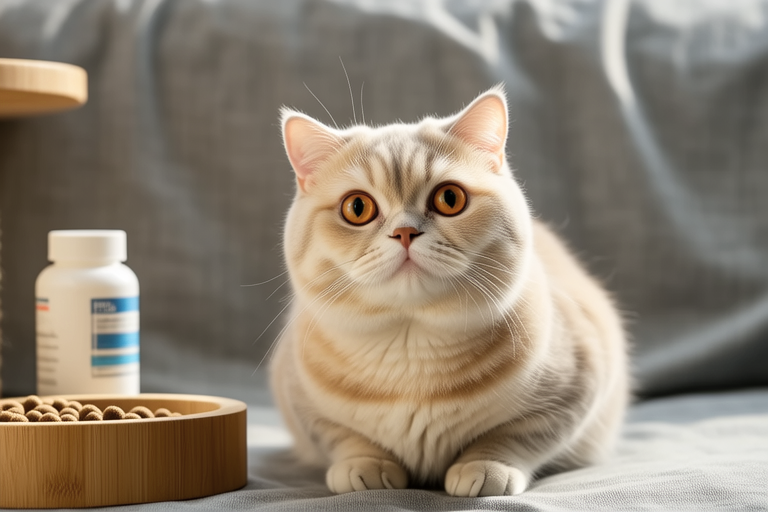
Comprehensive Care Guide for Golden British Shorthair Pets
Introduction
Welcome to your comprehensive care guide for Golden British Shorthair pets! This breed is known for its beautiful golden coat, gentle nature, and playful demeanor. Whether you’re a first-time pet owner or an experienced cat lover, this guide will help you understand the unique needs of your Golden British Shorthair and ensure they live a long, healthy, and happy life.
Origin and Characteristics
The Golden British Shorthair originates from the United Kingdom and has been a beloved breed for centuries. Known for their striking golden coats, these cats are descendants of the ancient European shorthairs that were brought to Britain by the Romans. Over time, they have evolved into the sturdy, muscular, and affectionate companions we know today.
Golden British Shorthairs are medium to large-sized cats with a robust build and a thick, plush coat. Their eyes are typically round and expressive, often featuring a captivating shade of green or copper. Their calm and gentle temperament makes them excellent family pets, and they are known for their loyalty and affection towards their owners.
These cats are generally easygoing and adaptable, making them suitable for various living environments. They enjoy the company of humans and can be quite vocal, especially when they want attention or food. Despite their gentle nature, they can also be quite playful and active, particularly during their younger years.
Dietary Needs
Feeding your Golden British Shorthair the right diet is crucial for maintaining their overall health and well-being. These cats require a balanced diet that includes high-quality protein, essential fats, vitamins, and minerals. Here are some key points to consider:
- High-Quality Protein: Cats are obligate carnivores, meaning they need animal-based proteins for optimal health. Look for cat foods that list meat as the primary ingredient.
- Essential Fats: Healthy fats are important for skin and coat health. Omega-3 and omega-6 fatty acids can be found in fish oil supplements or certain types of cat food.
- Vitamins and Minerals: A balanced diet should include essential vitamins like vitamin A, D, E, and B-complex, as well as minerals such as calcium, phosphorus, and iron.
- Avoid Harmful Ingredients: Steer clear of foods containing artificial preservatives, colors, and flavors. Additionally, avoid giving your cat chocolate, caffeine, onions, garlic, and other toxic substances.
- Water: Fresh, clean water is vital for your cat’s hydration. Ensure there’s always a bowl of water available, and consider using a pet fountain to encourage drinking.
- Portion Control: Feed your cat based on their age, weight, and activity level. Avoid overfeeding, as obesity can lead to health problems such as diabetes and joint issues.
Grooming Requirements
Golden British Shorthairs have a dense, short coat that requires regular grooming to keep it looking its best. Their coat is relatively low-maintenance compared to long-haired breeds, but it still benefits from weekly brushing to remove loose hairs and prevent matting.
- Brushing: Use a soft-bristled brush or a grooming glove to gently brush your cat’s coat once a week. This helps distribute natural oils throughout the fur and keeps the coat shiny.
- Bathing: While these cats rarely need baths, occasional bathing can help keep their coat clean and free of dirt. Use a mild, pH-balanced shampoo specifically designed for cats, and make sure to rinse thoroughly.
- Nail Trimming: Regular nail trimming is essential to prevent overgrown nails, which can cause discomfort and injury. Use a pair of cat-specific nail clippers and be careful not to cut the quick, which contains blood vessels.
- Tooth Brushing: Dental hygiene is important for your cat’s overall health. Introduce tooth brushing gradually, using a cat-safe toothpaste and a soft-bristled toothbrush. Aim to brush your cat’s teeth at least twice a week.
- Eyebrow Grooming: Golden British Shorthairs have distinctive eyebrows that may require occasional trimming to keep them neat and tidy. Use small scissors or clippers designed for cats to carefully trim any excess hair.
Exercise Recommendations
While Golden British Shorthairs are generally more sedentary than other breeds, they still require regular physical activity to stay healthy and maintain a good weight. Here are some ways to keep your cat active:
- Toys: Provide a variety of toys that encourage play and exercise. Interactive toys, such as feather wands, laser pointers, and puzzle feeders, can stimulate your cat’s mind and body.
- Vertical Spaces: Cats love climbing and perching, so consider adding cat trees, shelves, or window perches to your home. These vertical spaces allow your cat to explore and exercise.
- Playtime: Spend at least 15-20 minutes each day playing with your cat. Engage in interactive play sessions that mimic hunting behaviors, such as chasing toys or playing hide-and-seek.
- Outdoor Enclosures: If possible, create a safe outdoor enclosure where your cat can explore and exercise under supervision. This provides mental stimulation and physical activity.
- Training: Teaching your cat simple commands or tricks can also serve as a form of exercise. Reward-based training methods, using treats or praise, can encourage your cat to engage in physical activities.
Health Issues to Watch For
Like all breeds, Golden British Shorthairs are prone to certain health conditions. Early detection and prevention are key to maintaining your cat’s health. Here are some common health issues to watch for:
- Obesity: Overweight cats are at risk for various health problems, including diabetes, arthritis, and heart disease. Monitor your cat’s weight and adjust their diet and exercise routine accordingly.
- Respiratory Infections: Upper respiratory infections (URIs) are common in cats and can be caused by viruses or bacteria. Symptoms include sneezing, runny nose, and watery eyes. Keep your cat up-to-date on vaccinations and avoid exposing them to sick animals.
- Eye Problems: Golden British Shorthairs are prone to eye infections and conjunctivitis. Regularly check your cat’s eyes for redness, discharge, or squinting. Consult a veterinarian if you notice any abnormalities.
- Heart Disease: Some cats are predisposed to heart conditions, such as hypertrophic cardiomyopathy. Watch for signs of difficulty breathing, lethargy, or fainting. Regular veterinary check-ups can help detect heart issues early.
- Dental Disease: Poor dental hygiene can lead to gum disease and tooth loss. Brush your cat’s teeth regularly and schedule annual dental exams with your veterinarian.
Socializing and Training Tips
Socialization and training are essential for raising a well-adjusted and happy Golden British Shorthair. Proper socialization helps your cat become comfortable around people, other animals, and new environments. Training, on the other hand, can improve your cat’s behavior and strengthen the bond between you and your pet.
- Early Socialization: Expose your kitten to various people, animals, and environments from an early age. Positive experiences during the first few months of life can help your cat become confident and sociable.
- Positive Reinforcement: Use positive reinforcement techniques, such as treats and praise, to reward desired behaviors. Avoid punishment, as it can lead to fear and aggression.
- Clicker Training: Clicker training is a popular method for teaching cats new behaviors. Pair a click sound with a treat to reinforce desired actions, such as sitting, staying, or coming when called.
- Handling: Regular handling helps your cat get used to being touched and examined. Gently handle your cat’s paws, ears, and mouth to prepare them for grooming and veterinary visits.
- Environmental Enrichment: Provide your cat with a stimulating environment that encourages exploration and play. Offer a variety of toys, scratching posts, and hiding spots to keep your cat mentally and physically engaged.
Conclusion
Raising a Golden British Shorthair is a rewarding experience that comes with many joys and challenges. By understanding their unique needs and providing proper care, you can ensure that your cat lives a long, healthy, and happy life. Remember to consult with your veterinarian regularly, and don’t hesitate to seek professional advice if you have any concerns about your cat’s health or behavior.
