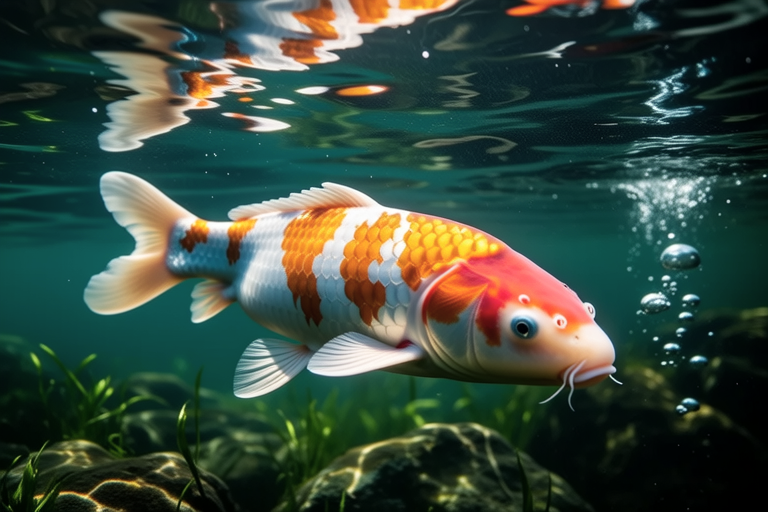
Complexities and Nuances of Koi Behavior
Koi fish, known for their vibrant colors and graceful movements, are more than just ornamental creatures. Understanding their behavior is essential for their well-being and the overall health of the pond ecosystem. This article delves into the intricacies of koi behavior, examining their social structures, communication methods, feeding habits, and responses to environmental stimuli.
Social Structures and Interaction
Koi are highly social animals that thrive in groups. They establish hierarchies within their communities, with dominant individuals often asserting control over resources such as food and territory. According to Dr. Peter Moyle, a professor at the University of California, Davis, “Koi form complex social networks that can influence their behavior and survival.” In a study published in Fisheries Research, it was found that dominant koi exhibit aggressive behaviors towards subordinates during feeding time, while subordinates tend to avoid direct confrontation. This hierarchy ensures efficient resource allocation and reduces competition among individuals.
Despite the existence of hierarchies, koi also engage in cooperative behaviors. For instance, they may swim together in schools, especially when exploring new environments or seeking shelter. These group dynamics help them stay safe from predators and enhance their ability to locate food sources. Furthermore, koi have been observed engaging in playful activities, such as chasing each other or leaping out of the water, particularly during mating season.
Communication Methods
Koi communicate through various means, including body language and color changes. Their body posture can convey different messages; for example, an upright position indicates alertness or aggression, whereas a relaxed swimming pattern suggests calmness. Additionally, koi may display flaring gills or fin displays to assert dominance or ward off potential threats.
Color changes in koi serve multiple purposes. They can indicate stress, illness, or reproductive readiness. A study conducted by researchers at the University of Tokyo revealed that koi exhibit distinct color patterns during courtship and spawning. Males often develop brighter colors and more pronounced markings to attract females, while females may display duller hues to blend into their surroundings. These visual cues play a crucial role in mate selection and reproductive success.
Feeding Habits and Preferences
Koi are omnivorous and have diverse feeding habits. Their diet typically consists of plant matter, insects, and small aquatic organisms. However, they also consume commercial koi pellets, which provide essential nutrients for growth and maintenance. Dr. John Jensen, a fish nutritionist, explains that “koi require a balanced diet rich in proteins, fats, carbohydrates, vitamins, and minerals to maintain optimal health.”
Feeding times vary depending on the water temperature. During colder months, koi become less active and reduce their food intake. Conversely, they increase their consumption during warmer periods when metabolic rates rise. It’s important for owners to adjust feeding schedules accordingly to prevent overfeeding and ensure proper digestion.
Responses to Environmental Stimuli
Water temperature significantly affects koi behavior. They prefer temperatures between 68°F and 77°F (20°C and 25°C), but can tolerate ranges from 41°F to 86°F (5°C to 30°C). When temperatures drop below 50°F (10°C), koi become lethargic and enter a state of semi-hibernation. At this point, they cease eating and rely on stored energy reserves until conditions improve.
Lighting also influences koi activity levels. Natural daylight stimulates their circadian rhythms, promoting regular feeding and swimming patterns. However, excessive exposure to artificial light sources, such as streetlights or indoor aquarium lights, can disrupt these routines and lead to stress. Therefore, it’s advisable to maintain a consistent lighting schedule that mimics natural day-night cycles.
The presence of predators triggers defensive mechanisms in koi. They may seek refuge in deeper waters or hide behind plants and rocks to avoid detection. In response to perceived threats, koi release pheromones that alert other members of the community about potential dangers. This chemical communication system helps strengthen group cohesion and enhances collective survival chances.
Common Misconceptions About Koi Behavior
One prevalent misconception is that koi are mindless creatures lacking intelligence. However, research has shown that koi possess remarkable cognitive abilities, including problem-solving skills and memory retention. Another myth suggests that koi only eat floating food. While this type of feed is convenient for owners, sinking pellets and granules should be provided to encourage bottom-feeding and promote balanced nutrition.
Tips for Owners
To better understand and care for koi, owners should observe their behavior closely and make necessary adjustments to the pond environment. Providing adequate hiding spots, maintaining clean water quality, and offering a varied diet can contribute to their overall well-being. Additionally, establishing a routine feeding schedule and monitoring water parameters regularly will help prevent health issues and ensure longevity.
In conclusion, koi behavior encompasses a wide range of fascinating aspects, from social interactions and communication methods to feeding habits and environmental responses. By recognizing these complexities and nuances, owners can create optimal living conditions for their beloved pets and foster stronger bonds with them.
