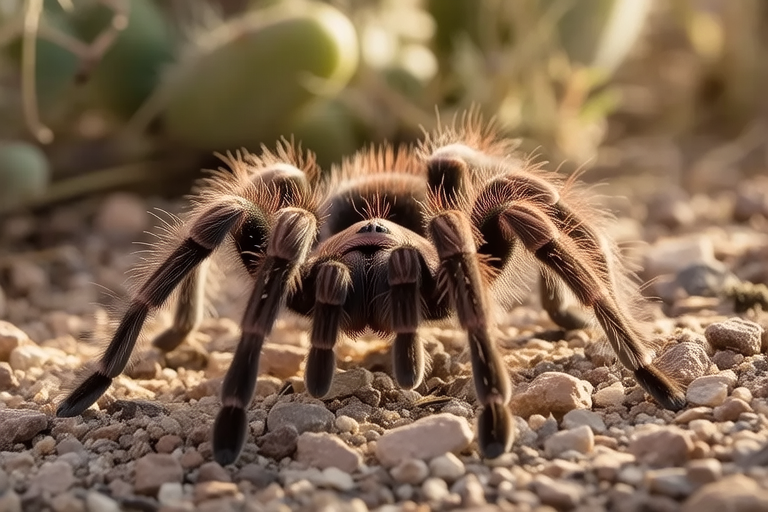
Top Secrets Every Chilean Rose Tarantula Owner Should Know!
Welcome to the fascinating world of Chilean rose tarantulas! These captivating arachnids are among the most popular pets for arachnid enthusiasts. Whether you’re a seasoned spider owner or just starting out, there are several secrets and tips that can enhance your experience with these unique creatures. This guide will walk you through everything from setting up the perfect habitat to understanding their dietary needs, handling techniques, common health issues, and behavioral patterns.
Optimal Habitat Setup
Creating the right environment for your Chilean rose tarantula is crucial for its well-being. Start by choosing an appropriate enclosure; a glass terrarium with a secure lid is ideal. The size of the enclosure should be proportional to the size of the tarantula. A general rule is to provide at least five times the length of the tarantula’s leg span in width and height. For instance, if your tarantula measures 10cm from leg tip to leg tip, your tank should be at least 50cm wide and tall.
Substrate is another critical aspect of the habitat. Use a deep layer of coconut fiber or a mix of peat moss and vermiculite, which retains moisture and mimics their natural burrowing behavior. Keep the substrate moist but not soggy to prevent mold growth. Add a few hiding spots like cork bark or half logs to provide shelter and security. Temperature and humidity levels should be maintained between 78-86°F (25-30°C) and 60-80%, respectively. Use a hygrometer and thermometer to monitor these conditions accurately.
Dietary Needs
Chilean rose tarantulas have simple dietary requirements, making them relatively easy to feed. In the wild, they prey on insects like crickets, mealworms, and roaches. As pets, they can thrive on a diet primarily consisting of crickets. Feed juveniles every 3-4 days and adults once a week. Gut-load the feeder insects with nutritious foods before offering them to your tarantula. This ensures that your pet receives all necessary nutrients. Additionally, occasionally dust the feeder insects with calcium and vitamin supplements to support overall health.
Handling Techniques
While it might seem tempting to handle your Chilean rose tarantula frequently, it’s important to remember that spiders are not typically handled like traditional pets. Handling can cause stress and potential injury to both you and the spider. If you must handle your tarantula, do so carefully. Gently scoop it up with a soft, wide container or use a long-handled tool to move it. Always support the entire body, especially the abdomen, to avoid any harm. It’s also advisable to wash your hands before and after handling to prevent the transfer of oils or residues that could stress your tarantula.
Common Health Issues
Like any living creature, Chilean rose tarantulas can face health issues. One common problem is dehydration, which can occur if the humidity level in their enclosure is too low. Signs include lethargy, loss of appetite, and poor mobility. To prevent this, ensure the substrate remains moist and consider misting the enclosure daily. Another issue is moulting problems, where the tarantula struggles to shed its old exoskeleton. This can happen due to inadequate humidity or substrate depth. Increase the humidity slightly during the moulting period, and provide a shallow water dish.
Respiratory issues can also arise, often linked to improper temperature or ventilation. Ensure good air circulation within the enclosure without causing drafts. Regularly clean the enclosure to remove waste and uneaten food, which can harbor bacteria or fungi.
Behavioral Patterns
Understanding the behavioral patterns of your Chilean rose tarantula can deepen your bond and make ownership more enjoyable. These tarantulas are generally docile and shy, preferring to hide rather than confront threats. They are nocturnal, active mainly at night when hunting for food. During the day, they often rest in their burrows or hiding spots. When threatened, they may display defensive behaviors such as rearing up on their hind legs or flicking urticating hairs from their abdomen. These hairs can irritate human skin and eyes, so handle your tarantula with care.
Another interesting behavior is molting, a process where the tarantula sheds its exoskeleton. Before molting, your tarantula may become less active and stop eating. It’s essential not to disturb it during this time. After molting, the tarantula will be soft and vulnerable for several days, so avoid handling or feeding until it has fully recovered.
The Unique Experience of Owning a Chilean Rose Tarantula
Owning a Chilean rose tarantula offers a unique and rewarding experience unlike any other pet. These spiders are fascinating to observe, with their intricate patterns and behaviors. Watching them hunt, molt, and interact with their environment provides endless entertainment. Moreover, taking care of a tarantula requires patience and responsibility, teaching valuable life lessons about commitment and respect for nature.
Despite their intimidating appearance, Chilean rose tarantulas are relatively easy to care for, making them accessible to beginners. Their low-maintenance lifestyle allows owners to focus on creating a comfortable and enriching environment without the daily demands of other pets. Furthermore, interacting with your tarantula can foster a deeper connection with nature, encouraging curiosity and appreciation for the diverse world of arachnids.
In conclusion, owning a Chilean rose tarantula is a special journey filled with learning, discovery, and companionship. By following these secrets and tips, you can ensure your pet thrives and enjoys a healthy, happy life. Remember, each tarantula is unique, so take the time to understand and adapt to your pet’s individual needs. With proper care and attention, you’ll find that owning a Chilean rose tarantula is a truly rewarding experience.
