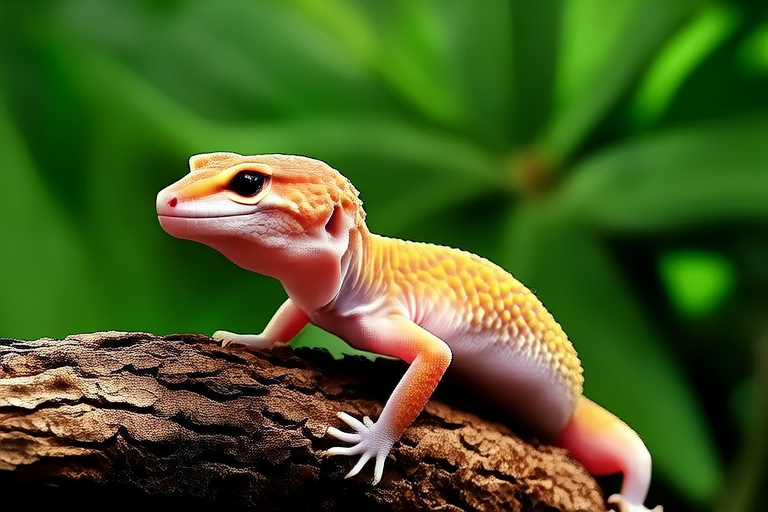
Chameleon Care 101: Essential Tips Every Owner Should Know
Welcome to the world of chameleons! These fascinating creatures are known for their vibrant color changes and unique physical characteristics. However, owning a chameleon comes with significant responsibilities. This guide aims to provide you with all the essential tips you need to ensure your pet leads a healthy and happy life.
Habitat Setup
Enclosure Size
The first step in setting up your chameleon’s home is choosing the right enclosure. Chameleons require vertical space more than horizontal space, so a tall cage is preferable. For a young chameleon, a 24x24x36-inch enclosure is sufficient, but as they grow, they will need more space. Adult chameleons typically require enclosures that are at least 36x18x48 inches. Ensure the cage has good ventilation to prevent stagnant air, which can lead to respiratory issues.
Lighting Requirements
Chameleons rely heavily on UVB light to synthesize vitamin D3, which is crucial for calcium absorption and overall bone health. Use a high-quality UVB bulb designed for reptiles, and place it at the top of the enclosure. The light should cover at least 50% of the cage. Replace the bulb every six months, even if it still seems functional, as UVB output diminishes over time. In addition to UVB lighting, provide full-spectrum lighting to mimic natural daylight cycles. This helps regulate the chameleon’s circadian rhythm and supports its well-being.
Temperature and Humidity Needs
Maintaining the correct temperature gradient is vital for your chameleon’s health. Install thermometers and hygrometers in various parts of the enclosure to monitor these conditions accurately. During the day, the basking spot should reach around 90-95°F (32-35°C), while the cool side should be approximately 70-75°F (21-24°C). At night, temperatures can drop slightly to around 65-70°F (18-21°C).
Humidity levels are equally important. Chameleons thrive in environments with humidity between 40% and 70%. You can achieve this through misting systems or automatic foggers. It’s also beneficial to have a dripper system that provides a constant water source for drinking. Regularly clean the enclosure to avoid mold growth, which can be harmful to your chameleon.
Diet Specifics
Types of Food
A varied diet is key to ensuring your chameleon receives all necessary nutrients. The primary food source should be live insects such as crickets, dubia roaches, and silkworms. Supplement these with occasional treats like mealworms and waxworms. Avoid feeding wild-caught insects due to potential pesticide contamination.
In addition to insects, offer leafy greens like collard greens, mustard greens, and dandelion leaves. These should be finely chopped and placed in a shallow dish or attached to branches within the enclosure. Do not feed iceberg lettuce or spinach, as they lack essential nutrients and can cause digestive issues.
Feeding Frequency
Young chameleons should be fed daily, with a mix of small insects and greens. As they mature, reduce feeding to every other day. Always remove uneaten food from the enclosure after an hour to prevent them from becoming stressed or ill. Dust the insects with a calcium supplement every other feeding and a multivitamin once a week to ensure proper nutrition.
Health Care
Signs of Illness
Regular observation is crucial for early detection of health problems. Look out for signs such as lethargy, loss of appetite, abnormal shedding, discharge from eyes or nose, and difficulty breathing. Changes in coloration, particularly dull or pale hues, can indicate stress or illness. If you notice any of these symptoms, consult a veterinarian specializing in reptiles immediately.
Regular Check-Ups
Schedule routine visits to a vet who understands chameleon care. These check-ups allow for early intervention and can help maintain your chameleon’s health. Discuss with your vet about preventive treatments for parasites and infections. Keep a record of your chameleon’s eating habits, shedding cycles, and any unusual behaviors to share during these visits.
Behavioral Insights
Social Behavior
Contrary to popular belief, chameleons are solitary animals and do not enjoy social interaction with other chameleons. Housing multiple chameleons together can lead to stress and aggression, often resulting in injuries. Each chameleon requires its own enclosure to thrive.
Stress Indicators
Identifying stress in your chameleon is important for maintaining its well-being. Stress can manifest through rapid color changes, increased pacing, or refusal to eat. Ensure the environment is calm and free from sudden loud noises or movements. Providing plenty of hiding spots and climbing structures can help alleviate stress.
Conclusion
Owning a chameleon is a rewarding experience filled with responsibility and joy. By understanding their specific needs regarding habitat, diet, health, and behavior, you can ensure your pet lives a long and healthy life. Remember, each chameleon is unique, so adapt these guidelines based on your pet’s individual requirements. With proper care, you’ll enjoy many years of companionship with your fascinating and colorful friend.
