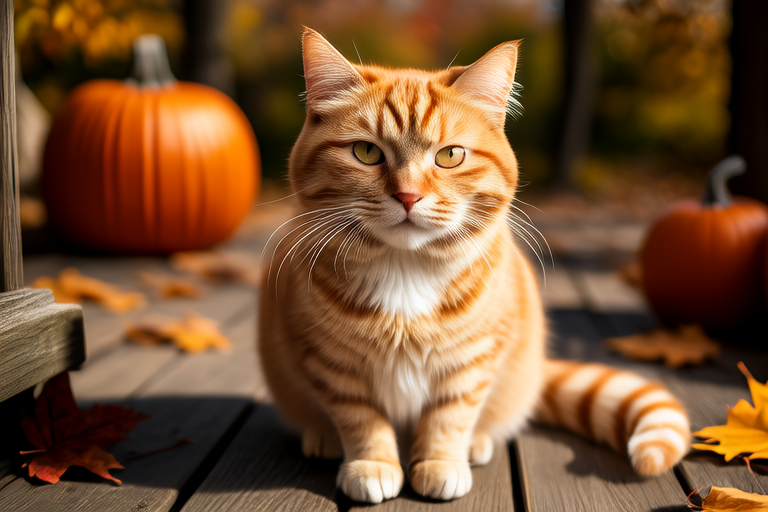
Tangerine Treats: Fun and Facts About Orange Cats
Orange cats have long been a favorite among cat lovers for their striking appearance and charming personalities. These feline companions are more than just a splash of color; they carry with them a rich history and unique genetic makeup. From their origins to their behavior, orange cats offer a delightful mix of science and charm. Let’s dive into the world of orange cats, exploring their genetics, popular breeds, personality traits, cultural significance, and care tips.
The Genetics Behind Orange Fur
The vibrant orange hue in cats is primarily determined by a gene known as the O gene, which controls the production of red pigments. This gene is sex-linked, meaning it’s carried on the X chromosome. Since female cats have two X chromosomes (XX), they can inherit both the orange and non-orange versions of this gene, resulting in a range of colors from calico to tortoiseshell. Male cats, however, have one X and one Y chromosome (XY). If a male inherits the orange gene on his single X chromosome, he will express the orange color, while the absence of this gene results in other colors like black or gray.
This genetic quirk means that orange male cats are more common than orange females, leading to the stereotype that all orange cats are males. However, orange females do exist, often exhibiting more varied patterns due to their ability to inherit both orange and non-orange genes.
Popular Orange Cat Breeds
Orange cats come in various breeds, each with its own unique characteristics. Some of the most popular orange cat breeds include:
- Maine Coon: Known for their large size and bushy tails, Maine Coons are gentle giants with a playful demeanor. Their orange coats can vary from light cream to deep reddish tones.
- Abyssinian: These cats are medium-sized and have a sleek, ticked coat pattern that gives them a mottled appearance. Abyssinians are highly active and intelligent, often curious about their surroundings.
- Ragdoll: Ragdolls are famous for their docile nature and tendency to go limp when picked up. They come in a variety of colors, including orange, and are known for their blue eyes and silky coats.
- Persian: With their luxurious, long coats, Persians are a breed often associated with elegance. Orange Persians are particularly striking, with their soft, plush coats and round faces.
Common Personality Traits
Orange cats are often described as having warm and friendly personalities, though individual temperaments can vary. Many orange cats are social and enjoy interacting with their human families, making them excellent companions. They are known for being affectionate and playful, often seeking out attention and engaging in games. Some orange cats may be more independent, but they generally thrive in environments where they feel loved and cared for.
One anecdote that illustrates the typical orange cat personality comes from Sarah, a cat owner who adopted a Maine Coon named Whiskers. “Whiskers is always the first to greet me at the door,” she says. “He loves to play fetch and follows me around the house, purring contentedly. He’s incredibly affectionate and seems to know exactly when I need some extra cuddles.”
Historical Significance in Culture
Throughout history, orange cats have held significant roles in various cultures. In ancient Egypt, cats were revered as sacred animals, often depicted in art and mythology. The Egyptian goddess Bastet was frequently portrayed with the head of a lioness, symbolizing strength and protection. While not exclusively orange, many depictions of Bastet feature a golden or tawny hue, reflecting the admiration for such cats.
In more recent times, orange cats have appeared in literature and media, becoming beloved characters. For example, Cheshire Cat from Lewis Carroll’s “Alice’s Adventures in Wonderland” is a whimsical, enigmatic figure that has captured the imaginations of readers for generations. His mysterious grin and elusive nature have made him one of the most iconic literary cats.
Myths and Facts
There are several myths and misconceptions surrounding orange cats. One common myth is that all orange cats are male. As mentioned earlier, while male cats are more likely to be orange due to their genetic makeup, female orange cats do exist. Another myth is that orange cats are less healthy or have shorter lifespans compared to other cats. There is no scientific evidence to support this claim; orange cats are just as healthy as any other cat.
Interestingly, orange cats are often associated with good luck in certain cultures. In Japan, the Maneki-neko, or “beckoning cat,” is a popular symbol of fortune and prosperity. Often depicted as a sitting cat with one paw raised, these figurines are believed to bring wealth and happiness to those who display them. The Maneki-neko is typically depicted with an orange or white coat, further cementing the association between orange cats and positive outcomes.
Tips for Caring for an Orange Cat
Whether you’re considering adopting an orange cat or already have one as part of your family, proper care is essential for their health and happiness. Here are some tips to ensure your orange cat thrives:
- Nutrition: Provide a balanced diet rich in nutrients. Consult with your veterinarian to determine the best food for your cat’s age, weight, and activity level. Omega-3 fatty acids can help maintain a healthy coat.
- Grooming: Regular grooming helps keep your orange cat’s coat shiny and free from mats. Use a brush designed for short-haired cats if your cat has a smooth coat, or a comb for longer-haired breeds. Brushing also helps distribute natural oils throughout the fur, enhancing its luster.
- Veterinary Care: Regular check-ups are crucial for early detection of any health issues. Vaccinations and parasite control are important preventive measures. Keep your cat indoors to protect them from outdoor dangers like cars and diseases.
- Mental Stimulation: Orange cats, like all cats, benefit from mental stimulation. Provide toys that encourage play and exploration. Puzzle feeders can make mealtime more engaging and help prevent boredom.
- Comfortable Environment: Ensure your home provides a comfortable space for your cat. Offer cozy spots for napping and resting. Litter boxes should be easily accessible and kept clean to promote good hygiene.
Caring for an orange cat is a rewarding experience that brings joy and companionship into your life. By understanding their unique needs and providing proper care, you can ensure your orange cat lives a happy and healthy life.
Conclusion
Orange cats are more than just a beautiful splash of color; they are lovable, intelligent companions with fascinating histories and personalities. From their genetic origins to their roles in culture and mythology, orange cats have captured the hearts of many. Whether you’re a seasoned cat owner or considering adopting your first feline friend, understanding the special qualities of orange cats can enhance your relationship with them. With the right care and attention, your orange cat will bring years of love and companionship into your home.
