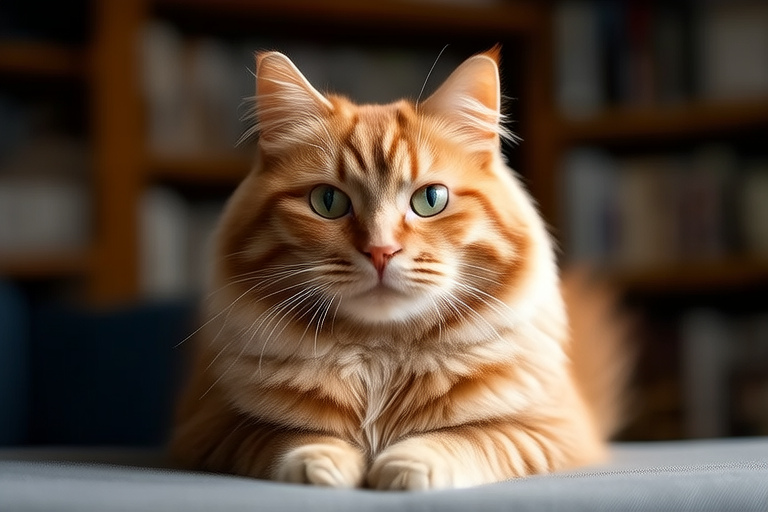
How to Care for Your Sparkling Orange Feline Friend
Welcome to the world of caring for your sparkling orange feline friend! Orange cats, with their vibrant coats and playful personalities, bring joy and warmth into many homes. They have distinct characteristics that require special attention to ensure they live long, healthy, and happy lives. This guide will cover nutrition, grooming, exercise, common health issues, and behavioral insights specifically tailored for orange cats.
Nutrition: Fueling Their Unique Needs
Orange cats, like all felines, need a balanced diet rich in proteins, fats, and essential nutrients. However, certain dietary considerations can help support their overall health and well-being. Opt for high-quality cat food that contains real meat as the primary ingredient. Omega-3 fatty acids are particularly beneficial for maintaining their shiny coats, while taurine supports heart and eye health.
Avoid feeding them excessive amounts of fish or seafood, which can lead to deficiencies in other nutrients. Instead, incorporate lean meats such as chicken, turkey, or beef into their meals. Always consult your veterinarian before making any significant changes to your cat’s diet.
Grooming Tips to Maintain Their Coat
Orange cats are known for their striking, often short-haired coats. Regular grooming helps keep their fur soft, shiny, and free from mats or tangles. Use a slicker brush weekly to remove loose hair and distribute natural oils throughout their coat. This not only enhances their appearance but also reduces shedding inside your home.
Bathing should be kept to a minimum, usually once every few months unless necessary due to dirt or debris. Over-bathing can strip their skin of natural oils, leading to dryness and irritation. If you do bathe your cat, use a gentle, pH-balanced shampoo formulated for cats.
Trimming their nails regularly is also important. Dull nails can scratch furniture or cause discomfort during playtime. Provide scratching posts or pads to encourage healthy nail maintenance.
Exercise Recommendations
Physical activity is crucial for maintaining an orange cat’s weight and overall fitness. Interactive toys, such as feather wands or laser pointers, stimulate both mental and physical engagement. Rotate toys frequently to keep them interested and engaged.
Consider creating an obstacle course using cardboard boxes or tunnels to encourage exploration and climbing. Climbing trees or shelves provide opportunities for vertical play, which is especially appealing to cats. Daily play sessions can range from 10 to 15 minutes, depending on your cat’s energy levels.
Outdoor play should be supervised or done in a secure environment like a catio. Orange cats may be more prone to sun exposure, so outdoor time should be limited during peak sunlight hours.
Common Health Issues
Orange cats, while generally healthy, can be susceptible to certain conditions. Hypertrophic cardiomyopathy (HCM), a form of heart disease, is more prevalent among male orange cats. Regular veterinary check-ups, including heart screenings, are recommended.
Obesity is another concern, particularly if they spend too much time indoors without adequate exercise. Monitor their weight and adjust their diet accordingly. Dental problems are also common; regular brushing and professional cleanings help prevent gum disease and tooth decay.
Vaccinations and preventive treatments for parasites are vital to protect your cat from infectious diseases and external threats. Discuss a suitable vaccination schedule and parasite control plan with your vet.
Behavioral Insights
Orange cats are often described as sociable and affectionate. They tend to form strong bonds with their human companions and enjoy interactive play. However, each cat has its own personality, so it’s important to observe and understand your pet’s individual traits.
Some orange cats may exhibit territorial behavior, marking their space with urine. Providing multiple litter boxes and keeping them clean can help manage this issue. Positive reinforcement training methods can also teach them appropriate behaviors.
Socialization is key to ensuring your orange cat feels comfortable around new people and animals. Introduce them gradually to different environments and experiences. This can reduce anxiety and promote a calm demeanor in various settings.
Celebrating Their Unique Characteristics
Orange cats have a unique charm that sets them apart from other breeds. Their vibrant coats make them stand out, and their playful personalities add a touch of liveliness to daily life. By understanding and catering to their specific needs, you can ensure that your orange cat remains healthy, happy, and thriving.
Remember, every cat is an individual, and what works for one might not work for another. Stay attentive to your pet’s cues and preferences, and always seek professional advice when needed. With proper care and attention, your orange feline friend will continue to bring joy and companionship into your home.
