Norwegian Pets: Unique Traits and Care Tips
When considering a pet, many people overlook the distinct breeds and species that are native to Norway. These animals, shaped by centuries of adaptation to the country’s unique environment, offer a range of characteristics that can make them excellent companions. From traditional working dogs to exotic wildlife, Norwegian pets come with a set of unique traits, behaviors, dietary needs, and exercise requirements that potential owners should be aware of. This article will explore some of the most popular and culturally significant Norwegian pets, providing valuable insights into their care and maintenance.
The Norwegian Elkhound: A Hardy and Loyal Companion
The Norwegian Elkhound is one of the most iconic dog breeds in Norway, known for its resilience and loyalty. Originally bred for hunting large game such as moose, this breed has a thick, grey double coat that helps it withstand the harsh Nordic winters. The Norwegian Elkhound is an energetic and intelligent breed, requiring plenty of mental and physical stimulation to thrive.
Unique Traits: The Elkhound is known for its high level of energy and strong prey drive. They are also highly social and thrive when they are part of a family unit. Their thick coats require regular grooming, especially during shedding seasons.
Dietary Needs: Like all dogs, the Norwegian Elkhound requires a balanced diet rich in proteins, fats, and carbohydrates. High-quality dog food formulated for active breeds is recommended. Ensure fresh water is always available.
Exercise Requirements: Given their high energy levels, Norwegian Elkhounds need substantial daily exercise. Regular walks, runs, and play sessions are essential. Agility training and games like fetch are great ways to keep them mentally stimulated.
Care Tips: Due to their thick coats, Elkhounds can overheat easily in warm weather. Provide shade and ensure they have access to cool water during hot days. Regular vet check-ups and vaccinations are necessary to maintain their health.
Cultural Significance: In Norwegian culture, the Elkhound is celebrated for its role in hunting and guarding. It is often depicted in Norse mythology and art, symbolizing strength and endurance.
The Norwegian Forest Cat: A Majestic Feline
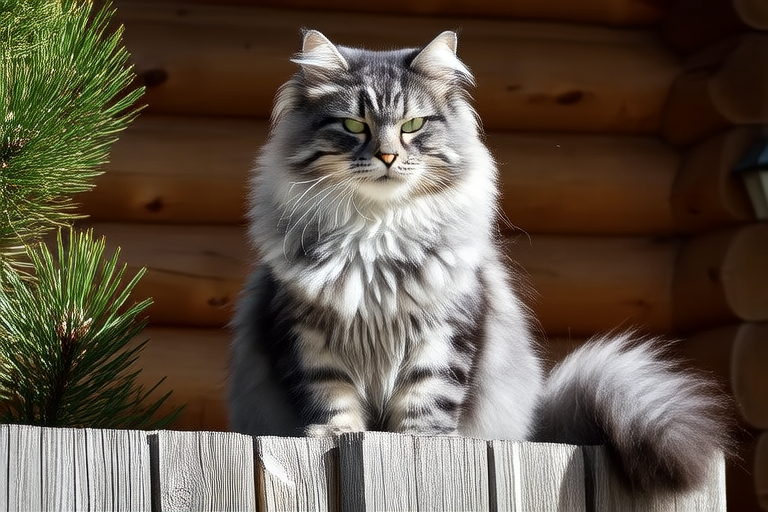
The Norwegian Forest Cat, or Norsk Skogkatt, is a large, long-haired cat breed that has been around for centuries. This breed is perfectly adapted to the cold climate of Norway, with a thick, water-resistant coat that protects them from the elements. They are known for their calm and gentle demeanor, making them ideal indoor pets.
Unique Traits: Norwegian Forest Cats are incredibly agile and are natural climbers. They have a muscular build and a dense, silky coat that comes in a variety of colors and patterns. Their eyes are typically green or gold, adding to their majestic appearance.
Dietary Needs: Feed your Norwegian Forest Cat a balanced diet rich in animal proteins. Wet food can help with hydration, while dry food supports dental health. Always provide fresh water.
Exercise Requirements: While they are generally calm indoors, Norwegian Forest Cats enjoy interactive play. Puzzle toys and climbing structures can provide both mental and physical stimulation.
Care Tips: Regular grooming is necessary to prevent matting and remove loose fur. Brushing at least once a week is recommended. Keep their claws trimmed and ears clean to prevent infections.
Cultural Significance: In Norwegian folklore, the Forest Cat is often associated with magical creatures and is believed to have the ability to bring good luck to households.
The Boreal Owl: A Symbol of Wilderness
The Boreal Owl, also known as the Tengmalm’s Owl, is a small owl species native to Northern Europe, including Norway. This owl is well-adapted to the boreal forests and is known for its striking appearance and elusive nature.
Unique Traits: The Boreal Owl is primarily nocturnal, with excellent night vision and hearing. They are known for their silent flight, which aids in hunting. Their plumage is usually brown with white spots, providing excellent camouflage in the forest.
Dietary Needs: Boreal Owls are carnivorous, feeding mainly on small mammals like voles and mice. They catch their prey with their sharp talons and powerful beak.
Exercise Requirements: In the wild, Boreal Owls spend most of their time flying and hunting. As pets, they require spacious aviaries with perches and branches to mimic their natural environment.
Care Tips: Owls are sensitive to stress and noise. Provide a quiet, secure environment. Regular veterinary check-ups are crucial for maintaining their health.
Cultural Significance: In Norwegian culture, owls are often seen as symbols of wisdom and mystery. They are frequently featured in folktales and legends.
The Arctic Fox: An Exotic and Adaptable Species
The Arctic Fox, also known as the White Fox, is a small, hardy fox species native to the Arctic regions, including parts of Norway. Known for its thick, white winter coat, the Arctic Fox is well-suited to the extreme cold of its habitat.
Unique Traits: The Arctic Fox has a thick, insulating coat that changes color seasonally, from white in winter to brownish-grey in summer. They are also known for their excellent hearing and sense of smell, which help them locate prey under snow.
Dietary Needs: In the wild, Arctic Foxes feed on a variety of foods, including lemmings, birds, and berries. In captivity, a diet rich in proteins and fats is recommended, with occasional fruits and vegetables.
Exercise Requirements: Arctic Foxes are very active and require ample space to run and explore. Outdoor enclosures with natural terrain and hiding spots are ideal.
Care Tips: Arctic Foxes are susceptible to heatstroke, so ensure their enclosure is shaded and cool. Regular health checks are necessary, especially for their teeth and claws.
Cultural Significance: In Norwegian history, the Arctic Fox has been hunted for its luxurious fur. Today, they are protected and admired for their beauty and adaptability.
The Brown Trout: A Delicate Aquatic Pet
The Brown Trout, scientifically known as Salmo trutta, is a species of trout found in rivers and lakes across Norway. This fish is prized for its delicate flavor and is often used in culinary dishes. However, it can also be kept as a pet in aquariums.
Unique Traits: Brown Trout have a sleek, streamlined body with dark spots and a reddish-brown coloration. They are highly adaptable but prefer cooler waters.
Dietary Needs: In captivity, Brown Trout should be fed a varied diet of commercial fish food, live insects, and occasionally plants. Ensure the water quality is maintained with proper filtration.
Exercise Requirements: While not requiring exercise in the same way as terrestrial animals, Brown Trout need ample space and clean water to swim freely.
Care Tips: Maintain optimal water temperature and pH levels. Regular water changes and cleaning of the tank are essential. Avoid overcrowding to prevent stress and disease.
Cultural Significance: In Norway, fishing for Brown Trout is a popular pastime, and they hold a special place in Norwegian cuisine.
Conclusion
Norwegian pets, whether dogs, cats, birds, or fish, offer unique traits and behaviors that make them fascinating companions. Each breed or species has specific dietary needs, exercise requirements, and care tips that potential owners should consider. Understanding these aspects can help ensure the health and happiness of your pet. Additionally, the cultural significance of these animals in Norwegian society adds depth to their appeal, making them more than just pets but part of a rich heritage.
