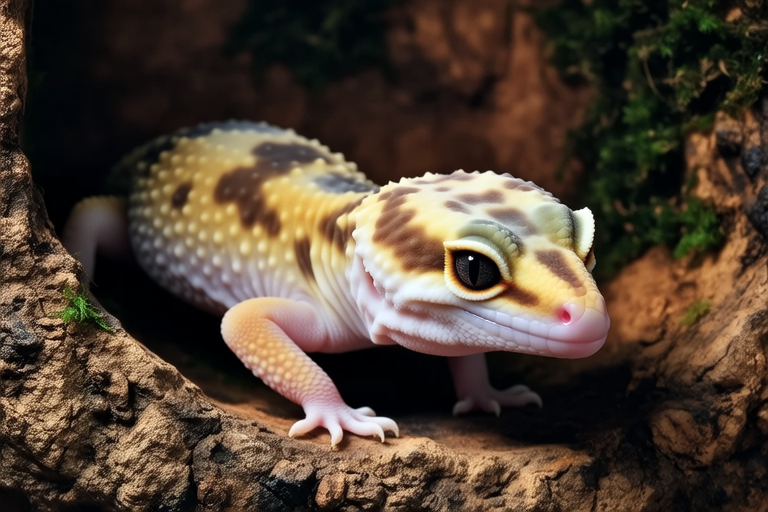
Leopard Gecko Care Made Easy: Your Ultimate Guide
Welcome to your comprehensive guide to caring for leopard geckos! Whether you’re a first-time owner or an experienced reptile enthusiast, this guide will provide you with all the essential information needed to ensure your leopard gecko lives a long, healthy, and happy life.
Habitat Setup
Creating the perfect habitat for your leopard gecko is crucial for their well-being. Let’s start by discussing the tank size, substrate, temperature, and lighting requirements.
Tank Size
Leopard geckos require adequate space to move around comfortably. A 10-gallon tank is sufficient for one adult leopard gecko, but if you plan to house multiple geckos, consider a larger enclosure. Each additional gecko requires about 5 gallons of space. This ensures they have enough room to explore and establish territories without feeling cramped.
Substrate
The substrate, or bedding material, should be safe and easy to clean. Reptile carpet or paper towels are excellent choices for beginners as they are simple to maintain and pose no risk of ingestion. Avoid substrates like sand or wood shavings, which can cause impaction if ingested.
Temperature
Maintaining the correct temperature gradient within the tank is vital. Leopard geckos are ectothermic, meaning they rely on external sources to regulate their body temperature. The warm end of the tank should reach around 90°F (32°C) while the cool end should be around 75°F (24°C). Use a reliable thermometer to monitor these temperatures accurately.
Lighting
Leopard geckos are nocturnal creatures, so they don’t require UVB lighting. However, providing a low-wattage red or blue bulb can help simulate day and night cycles, aiding in their natural behavior patterns. Ensure that any light source does not emit heat, as this could disrupt the temperature gradient.
Diet and Feeding Habits
Feeding your leopard gecko a balanced diet is key to their health. Understanding their dietary needs and feeding habits will help you provide optimal nutrition.
Diet Composition
Leopard geckos are insectivores, primarily consuming crickets, mealworms, and waxworms. It’s important to offer a variety of prey items to ensure a broad spectrum of nutrients. Feed them every other day, offering as many insects as they can consume in 10-15 minutes.
Supplements
To prevent nutritional deficiencies, dust the insects with calcium powder containing vitamin D3 and a multivitamin supplement before feeding. This helps strengthen bones and supports overall health.
Health Care Basics
Regular health checks and proper hygiene practices are essential for keeping your leopard gecko in top condition.
Regular Checkups
Schedule annual visits to a veterinarian specializing in reptiles. During these checkups, they can perform thorough examinations, including blood tests and fecal checks, to catch any potential issues early.
Cleanliness
Keep the tank clean by spot cleaning daily and performing a full tank cleaning once a month. Remove uneaten food promptly to prevent bacterial growth. Clean the water bowl daily and replace it with fresh, clean water.
Handling Tips
Proper handling techniques are important for both your safety and your gecko’s comfort.
Approach and Handling
When handling your leopard gecko, always support their entire body. Gently scoop them up from behind, allowing them to rest securely in your hand. Avoid squeezing or restraining them tightly. Leopard geckos may shed their tails as a defense mechanism, so handle them gently to prevent this.
Frequency
Handle your gecko no more than once or twice per week. Over-handling can cause stress and disrupt their natural behaviors.
Common Mistakes to Avoid
Avoid these common pitfalls to ensure your leopard gecko thrives.
Improper Housing
Ensure the tank size, substrate, temperature, and lighting meet the gecko’s needs. Providing inadequate space or incorrect environmental conditions can lead to health problems.
Incorrect Diet
Feeding an imbalanced diet lacking necessary supplements can result in metabolic bone disease or other nutritional disorders. Always research and understand the specific dietary requirements of your pet.
Inadequate Hygiene
Failing to keep the tank clean can lead to bacterial infections or parasites. Regular cleaning and monitoring for signs of illness are crucial.
Overhandling
Leopard geckos, like most reptiles, need time to rest and recuperate. Excessive handling can stress them out, affecting their overall health.
Conclusion
Raising a leopard gecko can be a rewarding experience, provided you understand their unique needs and provide appropriate care. By following the guidelines outlined in this guide, you’ll be well-equipped to give your pet the best life possible. Remember, patience and attention to detail are key when caring for these fascinating creatures.
