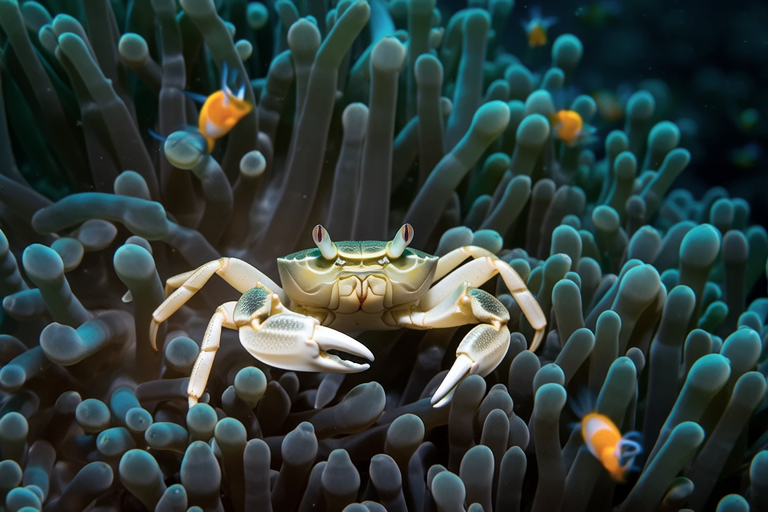
Hidden Ocean Heroes: Unveiling the Secrets of Pea Crabs
In the vast and mysterious world of marine life, one tiny inhabitant stands out for its unique lifestyle and vital role in oceanic ecosystems: the pea crab. Despite their diminutive size, these crustaceans play a significant part in maintaining the balance of the underwater world. This article delves into the fascinating life of pea crabs, exploring their habitat, symbiotic relationships, physical traits, life cycles, and the latest scientific discoveries about them. We will also examine the threats they face and why their protection is crucial for marine biodiversity.
The Unique Habitat and Host Relationship
Pea crabs are small, often measuring less than an inch in length, and are found in various parts of the world’s oceans. They have adapted to live inside the bodies of other marine organisms, such as sea cucumbers, bivalves (like clams and oysters), and even sea stars. This unique living arrangement is known as endosymbiosis, where one organism lives inside another, often benefiting both parties.
The relationship between pea crabs and their hosts is mutually beneficial. For instance, when pea crabs reside within the shells of bivalves, they feed on the mucus and food particles that their hosts filter from the water. In return, the pea crabs protect their hosts from parasitic worms by consuming them. This symbiotic relationship ensures the survival and well-being of both species, creating a delicate balance within the marine ecosystem.
Role in Marine Ecosystems
Pea crabs are integral to the functioning of marine ecosystems. Their symbiotic relationships help control populations of parasites and harmful organisms, thereby maintaining the health of their hosts. Additionally, they contribute to nutrient cycling by breaking down organic matter and redistributing nutrients throughout the marine environment.
Recent studies have highlighted the importance of pea crabs in enhancing the reproductive success of their hosts. For example, research conducted in coastal waters off California revealed that bivalves hosting pea crabs had higher rates of successful reproduction compared to those without these tiny companions. This finding underscores the broader impact of pea crabs on marine biodiversity and the interconnectedness of oceanic life.
Physical Characteristics and Life Cycle
Pea crabs are characterized by their flattened, oval-shaped bodies and soft, pliable exoskeletons that allow them to fit snugly within the confines of their hosts. Their coloration varies depending on the species and the host they inhabit, often blending seamlessly with their surroundings. This camouflage helps protect them from predators while they go about their daily activities.
The life cycle of pea crabs is closely tied to their hosts. Female pea crabs lay eggs within the safety of their host’s body cavity, where the developing larvae remain until they are ready to hatch. Once hatched, the larvae enter the water column and undergo several molts before settling onto a new host. The timing of this settlement is crucial, as it must coincide with the availability of suitable hosts, which can vary seasonally.
Adaptations to their environment are key to the survival of pea crabs. Their flattened bodies enable them to maneuver through narrow spaces within their hosts, while their flexible exoskeletons allow them to grow alongside their hosts without causing damage. These adaptations highlight the intricate evolutionary processes that have shaped the relationship between pea crabs and their hosts over millions of years.
Recent Scientific Findings
Advances in marine biology have shed light on previously unknown aspects of pea crab behavior and ecology. One recent study focused on the genetic diversity of pea crab populations and discovered that different host species harbor distinct genetic lineages of pea crabs. This finding suggests that pea crabs may have evolved specific adaptations to thrive within particular host environments, further emphasizing the complexity of their symbiotic relationships.
Another area of interest for researchers is the potential impact of climate change on pea crab populations. As ocean temperatures rise and acidity levels increase, there are concerns about how these factors might affect the survival and reproduction of pea crabs and their hosts. Ongoing research aims to understand the resilience of these symbiotic relationships in the face of environmental challenges, providing valuable insights for conservation efforts.
Threats and Conservation
Despite their importance to marine ecosystems, pea crabs face numerous threats due to human activities and environmental changes. Overfishing of bivalves and other host species can lead to a decline in pea crab populations, disrupting the delicate balance of the marine food web. Pollution and habitat destruction also pose significant risks to both pea crabs and their hosts, threatening the stability of entire ecosystems.
Protecting pea crabs and their hosts is essential for preserving marine biodiversity. Conservation efforts should focus on sustainable fishing practices, reducing pollution, and protecting critical habitats. By addressing these issues, we can ensure the continued existence of these hidden ocean heroes and the vital roles they play in maintaining healthy marine ecosystems.
In conclusion, pea crabs are unsung heroes of the ocean, playing a crucial role in the complex web of life beneath the waves. Their symbiotic relationships, unique adaptations, and contributions to marine ecosystems make them invaluable to the health of our oceans. Understanding and protecting these tiny creatures is not only important for their survival but also for the well-being of the entire marine environment.
