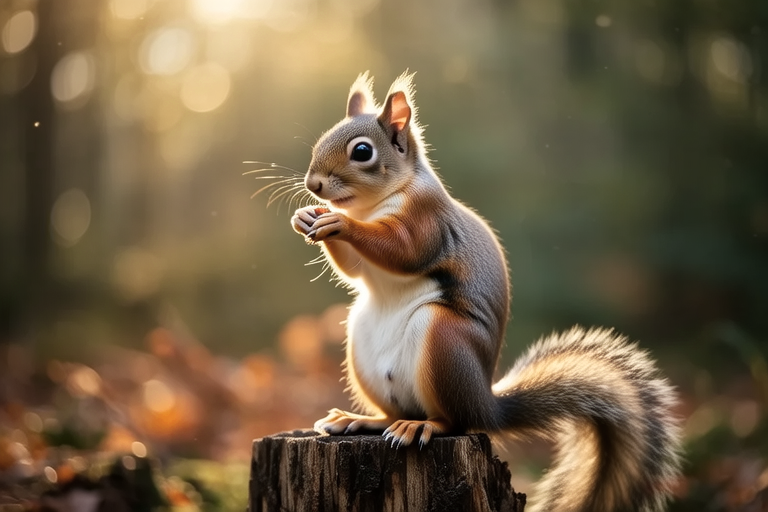
Squirrely Behavior Explained: What Your Pet’s Actions Really Mean
As pet owners, we often find ourselves puzzled by our furry companions’ behaviors. From pacing to hiding, over-grooming to sudden bursts of energy, pets can display a variety of actions that seem erratic or unpredictable. Understanding the reasons behind these behaviors can help us provide better care and create a more harmonious home environment. This article delves into the common behaviors exhibited by pets, explores the potential causes, and offers practical advice for pet owners on managing these behaviors.
Defining Common Behaviors
Pets, especially those kept indoors, may exhibit behaviors that appear unusual or out of place. These can include:
- Pacing: Constant walking back and forth, often in a confined space.
- Hiding: Seeking secluded areas to stay away from the rest of the household.
- Over-Grooming: Excessive licking or biting of fur, skin, or paws.
- Sudden Bursts of Energy: Sudden bursts of activity, often followed by a quick return to normal behavior.
While these behaviors might seem alarming, they are often rooted in biological instincts, environmental factors, and emotional states. Let’s explore each of these causes in detail.
Biological Instincts
Pets, particularly those of wild origins, have retained many of their ancestors’ instincts. For example, dogs and cats are descendants of animals that were once hunters and scavengers. These instincts can manifest in various ways, such as:
- Exploration: A natural drive to explore their surroundings, which can lead to pacing or investigating new objects.
- Prey Drive: The urge to chase and catch moving objects, which might explain sudden bursts of energy.
- Marking Territory: Spraying or scratching furniture to establish ownership over certain areas.
Understanding these instincts can help pet owners anticipate and manage behaviors more effectively.
Environmental Factors
The environment in which a pet lives plays a significant role in its behavior. Changes in the home, such as the introduction of a new family member or pet, renovations, or even subtle shifts in temperature and lighting, can trigger stress responses. Here are some ways environmental factors influence pet behavior:
- Noise Sensitivity: Loud noises, such as thunderstorms or construction work, can cause pets to hide or pace.
- Lack of Space: Limited living spaces can lead to over-grooming or other stress-related behaviors.
- Changes in Routine: Alterations in feeding times or exercise routines can result in erratic behavior.
Maintaining a stable and predictable environment can significantly reduce stress and promote healthier behavior in pets.
Emotional States
Pets, like humans, experience a range of emotions that can influence their behavior. Fear, anxiety, excitement, and boredom are common emotional states that can lead to unusual actions. Here’s how these emotions manifest:
- Fear: Pets may hide or pace when they feel threatened or scared.
- Anxiety: Over-grooming and destructive behavior are often signs of anxiety.
- Excitement: Sudden bursts of energy, jumping, or vocalization can indicate excitement.
- Boredom: Lack of stimulation can result in destructive behavior or excessive sleepiness.
Identifying the underlying emotion behind a pet’s behavior is crucial for addressing it appropriately.
Interpreting Specific Actions
Pacing
Pacing is one of the most common behaviors observed in pets. It can be a sign of several issues:
- Stress or Anxiety: Pacing can indicate that your pet is feeling anxious or stressed about something in its environment.
- Restlessness: Sometimes, pets simply need more physical activity or mental stimulation.
- Pain or Discomfort: If your pet is experiencing pain or discomfort, it might pace to alleviate its symptoms.
To address pacing, try to identify and eliminate any sources of stress or anxiety. Providing more exercise or interactive toys can also help alleviate restlessness.
Hiding
Hiding is another common behavior that can have multiple causes:
- Feeling Threatened: Hiding might be a response to perceived threats, whether real or imagined.
- Sickness or Pain: Pets often seek solitude when they are unwell.
- Shyness: Some pets are naturally more introverted and prefer quiet spaces.
If your pet frequently hides, consider consulting a veterinarian to rule out health issues. Creating a safe and comfortable space for your pet can also encourage them to come out of hiding.
Over-Grooming
Excessive grooming can indicate several problems:
- Allergies: Skin irritation due to allergies can lead to increased grooming.
- Anxiety: Stress and anxiety can cause pets to groom excessively as a coping mechanism.
- Pain: Discomfort, especially in joints, can make pets lick or bite at themselves.
Treating the underlying cause of over-grooming is essential. Allergies can be managed through dietary changes or medication, while anxiety might require behavioral therapy or calming aids.
Sudden Bursts of Energy
Sudden bursts of energy can be exciting but can also be a sign of underlying issues:
- Excitement: New stimuli, such as visitors or toys, can trigger bursts of energy.
- Hyperactivity: Some breeds are naturally more energetic than others.
- Underlying Medical Conditions: Hyperthyroidism or other medical conditions can increase energy levels.
Ensuring your pet gets adequate exercise and mental stimulation can help manage hyperactive behavior. Regular vet check-ups are also important to rule out any medical conditions.
Practical Advice for Pet Owners
Managing your pet’s behaviors requires a combination of understanding, patience, and proactive measures:
- Regular Vet Check-Ups: Ensuring your pet is healthy can prevent many behavioral issues.
- Consistent Routine: Establishing a routine can provide a sense of security and stability.
- Interactive Toys: Providing toys that stimulate both the mind and body can reduce boredom and destructive behavior.
- Training and Socialization: Proper training and socialization can help pets understand boundaries and expectations.
By addressing the root causes of behaviors, pet owners can help their pets lead happier, healthier lives.
Maintaining a Healthy, Stimulating Environment
Creating a healthy, stimulating environment is key to reducing unwanted behaviors:
- Physical Activity: Regular exercise helps keep pets physically fit and mentally stimulated.
- Enrichment Activities: Puzzle toys, treat-dispensing devices, and interactive games can provide mental stimulation.
- Safe Spaces: Providing a quiet, comfortable space where your pet can retreat when needed can reduce stress.
- Nutritious Diet: Feeding a balanced diet can improve overall health and well-being.
By focusing on these aspects, pet owners can foster a positive, enriching environment that promotes good behavior and strong bonds between pets and their human companions.
Conclusion
Understanding and interpreting your pet’s behaviors can greatly enhance your ability to care for them. By recognizing the underlying causes of erratic or unpredictable actions—whether biological instincts, environmental factors, or emotional states—you can take steps to address and manage these behaviors effectively. With the right approach, you can create a happy, healthy, and stimulating environment for your pet, ensuring a lifetime of companionship and joy.
