Adopting a Bengal Cat: Everything You Need to Know Before Bringing One Home
Welcome to the wonderful world of Bengal cats! These majestic creatures have captivated the hearts of many cat lovers due to their striking appearance and unique personalities. Known for their sleek coats that resemble those of leopards and ocelots, Bengal cats are a cross between domestic cats and Asian leopard cats. Their playful nature, intelligence, and high energy levels make them one of the most popular breeds today.
The Origin and History of Bengal Cats
The story of Bengal cats begins in the 1960s when Jean Mill, a California-based breeder, sought to create a domestic cat with the exotic look of a wild cat but with the temperament of a house pet. She crossed an Asian leopard cat (a small wild feline native to Asia) with a domestic shorthair. The result was a breed that combines the best of both worlds: stunning markings and an affectionate disposition.
Initially, breeding these hybrids was challenging due to the difficulty in getting the offspring to accept humans. However, through selective breeding over several generations, breeders succeeded in developing a line of Bengal cats that are now recognized by various cat registries worldwide. Today, Bengals are widely available as pets, though it’s important to note that they remain a relatively rare breed compared to more common domestic cats.
Physical Traits and Typical Behaviors
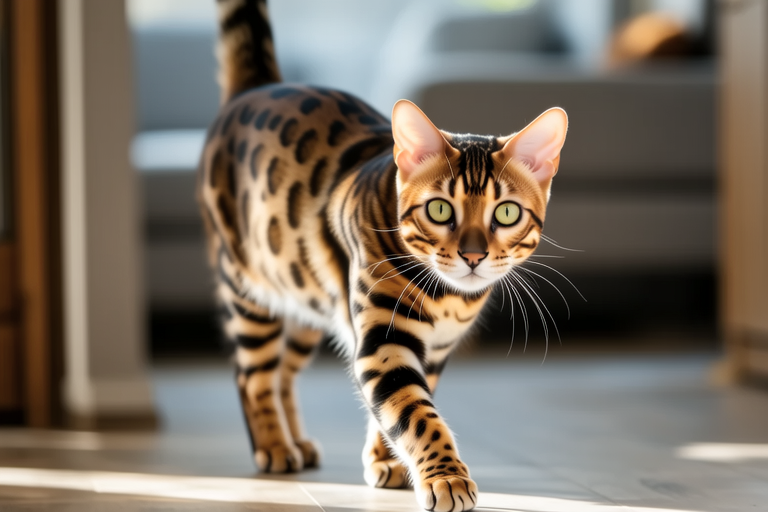
Bengal cats are known for their distinctive coat patterns, which can range from marbled to spotted. Their fur is often short and plush, giving them a luxurious feel. One of the most remarkable features of Bengal cats is their water-resistant coat, which allows them to stay dry even after swimming. This trait stems from their wild ancestors, who lived near water sources.
Physically, Bengal cats tend to be medium to large-sized with strong, muscular bodies. They have expressive almond-shaped eyes that can appear green, gold, or brown, depending on their coat color. Their ears are wide-set and slightly rounded at the tips, adding to their overall exotic appearance.
Behaviorally, Bengal cats are highly intelligent and curious. They love to explore their surroundings and engage in interactive play. Many owners report that their Bengals enjoy playing fetch and climbing to high vantage points. These cats are also known for being vocal, often communicating with their owners through chirps, trills, and meows. Socialization is key to ensuring your Bengal cat remains happy and well-adjusted, so make sure to spend quality time with them daily.
Selecting the Right Bengal Cat
When adopting a Bengal cat, it’s crucial to choose a reputable breeder or shelter. Reputable breeders will provide you with health certificates and pedigree information for your kitten. They will also offer guidance on proper care and feeding. If you’re considering adopting from a shelter, look for organizations that specialize in Bengal cats or have experience with this breed.
Regardless of where you obtain your Bengal cat, it’s essential to meet the animal in person before making any decisions. Observe how they interact with other people and animals; this will give you insight into their personality and whether they would fit well within your household. Additionally, ask about the cat’s medical history, including vaccinations and spaying/neutering status.
Grooming Needs
Bengal cats require minimal grooming due to their short coats. However, regular brushing helps remove loose hairs and keeps their skin healthy. Use a soft-bristled brush or a rubber grooming mitt to gently stroke their fur. Pay special attention to areas around their ears and paws, where dirt and debris may accumulate.
Like all cats, Bengals need routine nail trimming to prevent overgrowth. Trim only the tip of each nail, avoiding the quick (the pink part inside the nail). If you’re unsure about how to do this safely, consult with a veterinarian or professional groomer.
Dietary Requirements
Providing a balanced diet is vital for maintaining your Bengal cat’s health. High-quality commercial cat food formulated for adult cats or kittens (depending on your cat’s age) should form the foundation of their diet. Look for products containing real meat as the primary ingredient, along with essential vitamins and minerals.
In addition to kibble or canned food, consider offering raw meat occasionally as a treat. Some Bengal owners recommend feeding raw chicken necks or wings, which help promote dental hygiene while providing necessary nutrients. Always ensure fresh water is available at all times.
Common Health Issues
While generally healthy, Bengal cats are prone to certain genetic conditions inherited from their wild ancestors. Hypertrophic cardiomyopathy (HCM), a heart disease characterized by thickening of the heart muscle, is one such issue. Regular veterinary check-ups can help detect early signs of HCM, allowing for timely intervention.
Osteoarthritis, another condition affecting older Bengal cats, causes joint pain and stiffness. Maintaining a healthy weight through proper nutrition and exercise can reduce the risk of developing osteoarthritis. Consult with your vet if you notice any changes in your cat’s mobility or behavior.
Creating a Safe and Enriching Environment
To ensure your Bengal cat thrives in its new home, create a stimulating yet safe living space. Provide plenty of vertical spaces like cat trees, shelves, or window perches where they can observe their surroundings from above. Interactive toys such as puzzle feeders encourage mental stimulation and keep boredom at bay.
Bengals are natural climbers, so installing cat-friendly furniture or wall-mounted shelves can provide hours of entertainment. Make sure all windows are securely screened to prevent accidental falls. Additionally, establish designated litter box areas away from high-traffic zones but easily accessible for your cat.
The Commitment Required
Owning a Bengal cat requires dedication and patience. These intelligent animals thrive on interaction and companionship, so plan to spend significant time playing and bonding with them. Be prepared for messes – Bengals are known for their adventurous spirit, which sometimes leads to mischievous behavior.
However, with proper care and attention, Bengal cats can become cherished family members. Their loyalty, affection, and playful nature make them wonderful companions. Remember that every cat has its own unique personality, so take the time to get to know yours and adapt accordingly.
In conclusion, adopting a Bengal cat is a rewarding experience filled with joy and discovery. By understanding their origins, physical traits, typical behaviors, and specific needs, you’ll be better equipped to provide a loving home for this magnificent breed. With patience, love, and commitment, your Bengal cat will undoubtedly bring years of happiness and companionship into your life.
