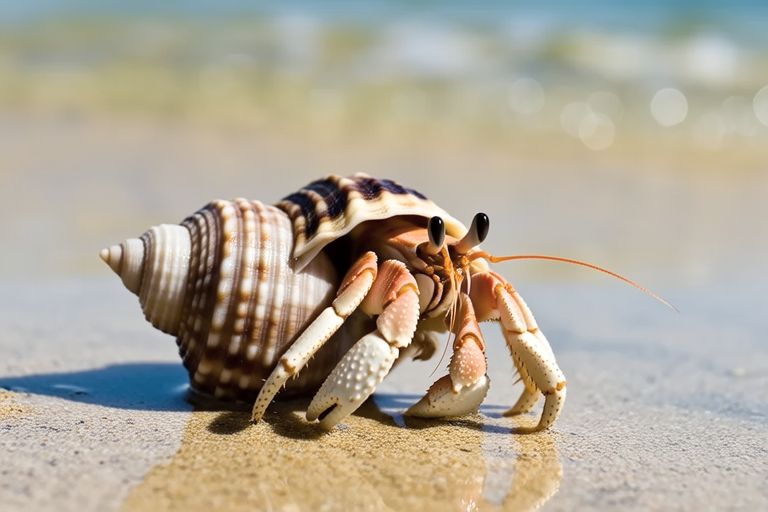
Hermit Crab Behavior: Unraveling the Mysteries of Their Shell Changes
Hermit crabs are fascinating creatures known for their unique adaptation of living inside discarded seashells. Unlike other crustaceans that have hard exoskeletons, hermit crabs lack a protective shell of their own. Instead, they rely on empty mollusk shells for shelter. This dependence on external shells is crucial for their survival, providing both physical protection and a means of camouflage.
The Importance of Shells
Shells serve multiple purposes for hermit crabs. They protect the soft abdomen from predators and environmental hazards. Additionally, shells offer a degree of camouflage, helping hermit crabs blend into their surroundings and avoid detection by potential threats. The choice of shell can significantly influence a hermit crab’s ability to survive and thrive in its environment.
Reasons for Shell Changes
Hermit crabs undergo frequent shell changes for several reasons, primarily related to growth, damage, and preference. As hermit crabs grow, their bodies expand, necessitating larger shells to accommodate their increasing size. When a shell becomes too small, the crab must find a new one to prevent suffocation and physical discomfort.
Damage to the shell is another common reason for changing homes. Cracks or holes can compromise the shell’s integrity, leaving the crab vulnerable to injury or predation. In such cases, finding a more intact and secure shell becomes imperative for the crab’s survival.
Preference also plays a role in shell selection. Hermit crabs may opt for shells with smoother interiors or more aesthetically pleasing exteriors. These preferences can be influenced by factors like ease of entry and exit, or even the visual appeal of the shell.
The Process of Finding and Moving Into New Shells
The process of finding and moving into a new shell is critical for hermit crabs. It begins with the crab venturing out of its current home to explore potential replacements. This exploration often involves examining various shells scattered around its habitat, feeling their surfaces, and assessing their suitability.
Once a suitable shell is identified, the hermit crab must carefully transition from its old shell to the new one. This process requires precision and speed to minimize exposure to predators. The crab will typically grip the edge of the new shell with its claws before fully retracting its body inside. This transition can be particularly challenging when dealing with larger shells, as it demands significant strength and coordination.
The successful relocation to a new shell is essential for the crab’s continued survival. It ensures protection from environmental elements and potential threats, allowing the crab to focus on feeding, mating, and other vital activities.
Adapting Shells
Hermit crabs are known for their ability to adapt their shells to better suit their needs. One notable adaptation is the practice of decorating shells. By attaching pieces of coral, seaweed, or other materials, hermit crabs create personalized homes that provide additional protection and enhance their camouflage abilities. This decoration also serves as a form of communication, signaling to other crabs the identity and status of its inhabitant.
In addition to decoration, hermit crabs may modify the interior of their shells. Some species are known to remove the original inhabitant’s remains and smooth the inner surface to make it more comfortable. This modification can improve the fit and comfort of the shell, ensuring a snug and secure living space.
Understanding Shell Changes for Captive Care
Understanding the reasons behind and processes involved in hermit crab shell changes is crucial for those who keep hermit crabs as pets. Providing a variety of shells of different sizes and shapes is essential to meet the crabs’ changing needs. Regularly offering new options allows captive hermit crabs to select the most suitable shells for their current stage of life.
Ensuring a safe and stimulating environment for hermit crabs encourages natural behaviors, including shell exploration and adaptation. This can involve creating habitats with ample hiding spots and providing opportunities for social interaction with other crabs. Understanding and replicating these conditions can greatly enhance the well-being of captive hermit crabs.
Responsible pet ownership involves being aware of the specific needs of hermit crabs. This includes providing adequate food, water, and humidity levels, as well as maintaining a clean and healthy environment. By doing so, owners can ensure their hermit crabs lead long, happy lives.
In conclusion, the study of hermit crab behavior, particularly their shell changes, offers valuable insights into these fascinating creatures. By understanding their unique adaptations and requirements, we can better appreciate the complexity of their lives and contribute to their well-being, whether in the wild or in captivity.
