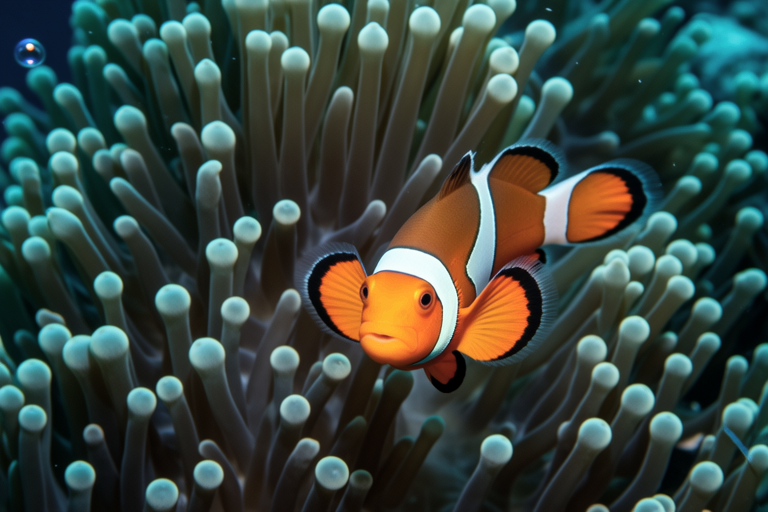
Exploring Clownfish Species: A Comprehensive Guide
Clownfish, scientifically known as Amphiprioninae, are a group of small, brightly colored reef-dwelling fish that have captured the hearts of many. With over thirty species, each has its own distinct characteristics, habitats, and behaviors. This article explores various species of clownfish, comparing and contrasting them with Nemo’s species, the common clownfish (Amphiprion ocellaris), and delves into their symbiotic relationships, geographical distribution, unique adaptations, conservation status, and threats. Additionally, it provides insights into the care and keeping of these fish for aquarium enthusiasts.
Diverse Clownfish Species
The Amphiprioninae family comprises several species, each with unique features:
- Amphiprion percula: Also known as the orange clownfish, this species is native to the Indo-Pacific region. It has a vibrant orange color with three white stripes and is often confused with the common clownfish. Its habitat includes coral reefs and lagoons, where it forms a mutualistic relationship with sea anemones. The orange clownfish exhibits aggressive behavior when defending its territory.
- Amphiprion melanopus: Commonly referred to as the maroon clownfish, this species is characterized by its reddish-brown coloration. It inhabits the western Pacific Ocean and can be found in areas with high current flow. Maroon clownfish are known for their boldness and territorial nature.
- Amphiprion perideraion: The pink skunk clownfish, native to the Indian Ocean and the western Pacific, is recognized by its single white stripe running from its head to the base of its tail. It is less aggressive compared to other species and prefers to live in pairs or small groups.
- Amphiprion frenatus: Known as the tomato clownfish, this species is widely distributed across the Indo-Pacific region. It has a bright red-orange color with white borders around its fins. Tomato clownfish are highly adaptable and can thrive in various environments.
Comparison with Nemo’s Species
The common clownfish (Amphiprion ocellaris) shares similarities with other species but also has distinct traits. Like other clownfish, it forms a symbiotic relationship with sea anemones, providing protection from predators and receiving shelter in return. However, the common clownfish is more docile than the orange clownfish and maroon clownfish. Its geographic range overlaps with that of the orange clownfish, leading to hybridization in some areas. The common clownfish is popular among aquarium hobbyists due to its ease of care and adaptability.
Symbiotic Relationships with Anemones
All clownfish species share a remarkable symbiotic relationship with sea anemones. Clownfish secrete a mucus layer that protects them from the anemone’s stinging cells, allowing them to live among the tentacles. In exchange, the clownfish drives away potential predators and provides nutrients through their waste products. Different species of clownfish may prefer specific types of anemones, such as Heteractis magnifica or Stichodactyla gigantea.
Geographical Distribution and Unique Adaptations
Clownfish species have varying geographical distributions, ranging from the Indian Ocean to the Pacific Ocean. Some species, like the orange clownfish and common clownfish, have overlapping ranges, while others, such as the pink skunk clownfish, are limited to specific regions. Unique adaptations include specialized mucus layers for protection against anemone stings and the ability to adjust their body chemistry to match that of their host anemone.
Conservation Status and Threats
Many clownfish species face threats from habitat destruction, pollution, and climate change. Coral bleaching events, caused by rising ocean temperatures, can lead to the loss of both clownfish and their anemone hosts. Overfishing and the aquarium trade also contribute to population declines. Conservation efforts focus on protecting marine ecosystems and promoting sustainable fishing practices.
Care and Keeping for Aquarium Enthusiasts
Aquarium enthusiasts must provide suitable environmental conditions for clownfish. They require a tank size of at least 30 gallons with ample hiding places and a compatible anemone or artificial substitute. Water parameters should include a temperature between 78-82°F, a pH level of 8.1-8.4, and a salinity of 1.023-1.025. Clownfish are generally peaceful and can coexist with other non-aggressive species, but they may become territorial when paired with another clownfish of the same species.
Importance of Preserving Marine Ecosystems
The survival of clownfish species depends on the preservation of marine ecosystems. Healthy coral reefs provide essential habitats for clownfish and their anemone hosts. By supporting conservation efforts and reducing our ecological footprint, we can help ensure the continued existence of these fascinating creatures.
