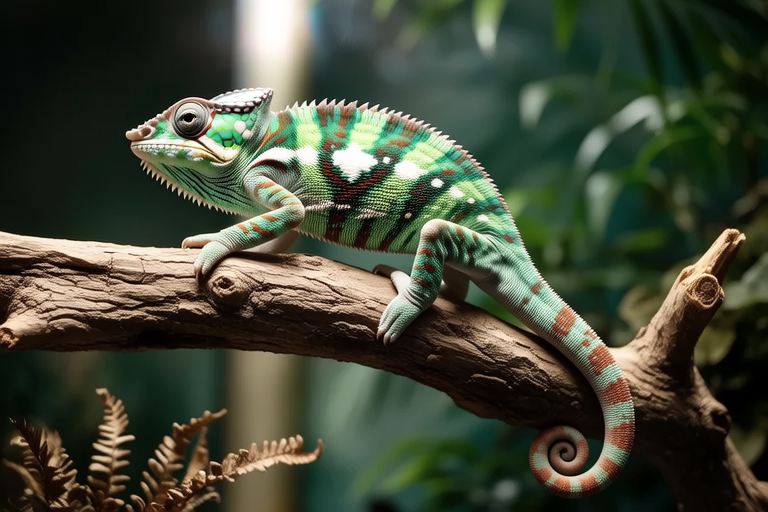
From Jungle to Home: Adapting Chameleons for Domestic Bliss
Chameleons are fascinating creatures known for their unique abilities to change color and their prehensile tails. These reptiles originate from the lush jungles of Africa, Madagascar, and parts of southern Europe. In their natural habitats, they live among dense foliage, basking in the sun, and hunting insects with their lightning-fast tongues. The journey from the wild to a domestic setting presents both challenges and opportunities for those interested in keeping these captivating animals as pets.
Natural Habitat and Behavior
Chameleons thrive in environments rich with vegetation, where they can blend in seamlessly with their surroundings. Their natural habitats include tropical rainforests, savannas, and deciduous forests. These areas provide ample cover and prey, which are crucial for their survival. Chameleons are solitary creatures, preferring to be alone rather than in groups. They are territorial and will defend their space from intruders, including other chameleons.
In the wild, chameleons spend most of their time perched on branches, waiting for insects to pass by. Their eyes, which can move independently of each other, allow them to spot prey from different angles. Once they’ve located their target, their long, sticky tongues shoot out at incredible speeds to capture it. This hunting method is both efficient and energy-saving, allowing chameleons to conserve energy in their often resource-scarce environment.
Bringing a Chameleon Home
Adapting a chameleon to a domestic environment requires careful planning and attention to detail. One of the primary challenges is providing a suitable enclosure that mimics their natural habitat. A well-designed cage should offer ample vertical space, as chameleons are arboreal and prefer climbing. The minimum size for a single adult chameleon is 24 inches wide, 24 inches deep, and 48 inches tall. Larger enclosures are preferable, especially for multiple chameleons or larger species.
Temperature control is another critical aspect of chameleon care. These reptiles are ectothermic, meaning they rely on external sources to regulate their body temperature. In the wild, they bask in the sun to warm up and move to shaded areas to cool down. In captivity, this can be achieved through the use of heat lamps and UVB bulbs. It’s essential to maintain a gradient of temperatures within the enclosure, typically ranging from 75°F (24°C) on the cooler side to 95°F (35°C) on the warmer side. Nighttime temperatures should drop slightly but never fall below 65°F (18°C).
Lighting is vital for chameleons’ health, particularly UVB lighting, which helps them synthesize vitamin D3. Vitamin D3 is necessary for calcium absorption, which is crucial for bone health. Without adequate UVB exposure, chameleons can develop metabolic bone disease, leading to weakened bones and other serious health issues. Full-spectrum UVB bulbs should be placed within 12 to 18 inches of the basking area and replaced every six months, even if they still appear functional.
Diet is another key consideration when bringing a chameleon into your home. In the wild, chameleons feed primarily on insects such as crickets, mealworms, and wax moths. In captivity, these insects should be dusted with a calcium supplement to ensure proper nutrition. Additionally, gut-loading, or feeding insects a nutritious diet before offering them to the chameleon, can enhance their nutritional value. Offering a variety of insect types can also help meet the chameleon’s dietary needs.
Creating a Healthy and Stimulating Habitat
To create a healthy and stimulating habitat for your chameleon, focus on replicating its natural environment as closely as possible. Start by selecting appropriate plants, such as Ficus benjamina (weeping fig), Schefflera arboricola (umbrella tree), and Pothos (devil’s ivy). These plants provide both visual appeal and essential climbing structures. Be sure to choose non-toxic plants and avoid those with sharp thorns or toxic sap.
Branches of varying diameters should be placed throughout the enclosure to encourage climbing and exercise. Providing enrichment through toys, such as swings or hammocks, can also help keep your chameleon mentally stimulated. Ensure all decorations are securely attached to prevent accidents. Water is essential for chameleons, and misting systems or drip systems can provide a continuous supply of fresh water. Manual misting can also be used, but it must be done consistently to avoid dehydration.
Humidity levels should be maintained between 40% and 70%, depending on the species. Proper humidity is crucial for shedding and overall health. Chameleons absorb moisture through their skin, and inadequate humidity can lead to respiratory issues and other health problems. Monitoring humidity levels with a hygrometer is recommended, and adjustments can be made using humidifiers or by increasing the frequency of misting.
Common Health Issues and Prevention
Despite best efforts, chameleons can still face various health issues in captivity. Metabolic bone disease (MBD) is one of the most common problems, caused by a lack of calcium and vitamin D3. Symptoms include swollen limbs, lethargy, and difficulty moving. Ensuring proper supplementation and UVB exposure can help prevent MBD.
Respiratory infections are another frequent issue, often resulting from poor ventilation or improper temperature and humidity levels. Signs of respiratory infection include wheezing, nasal discharge, and labored breathing. Maintaining clean, dry conditions and avoiding overcrowding can reduce the risk of respiratory issues.
Stress-related disorders, such as anorexia and lethargy, can occur if the chameleon feels threatened or uncomfortable in its environment. Providing a secure, spacious enclosure with plenty of hiding spots can help alleviate stress. Regular handling and gentle interaction can also build trust and reduce anxiety.
Bonding and Interacting with Your Chameleon
While chameleons are generally solitary creatures, they can still form bonds with their owners through positive interactions. Handling should be done gently and infrequently, as excessive handling can cause stress. When picking up your chameleon, support its entire body, including its legs and tail, to prevent injury.
Spending time near your chameleon’s enclosure, talking softly, and offering treats can help establish a bond. Some chameleons may become more comfortable with regular interaction over time, while others may remain more aloof. Respect your chameleon’s boundaries and avoid forcing interaction if it shows signs of distress.
Conclusion: From Jungle to Home
Adapting a chameleon for domestic life requires careful consideration of its natural behaviors and environmental needs. By providing a well-designed enclosure, maintaining optimal temperature and humidity levels, and offering a varied diet, you can create a thriving environment for your chameleon. With proper care and attention, your chameleon can enjoy a happy and healthy life in your home. Remember, the goal is to mimic the jungle as closely as possible, ensuring your pet feels safe and comfortable. With dedication and patience, both you and your chameleon can experience domestic bliss together.
