Everything You Need to Know Before Bringing Home an Arowana
Arowanas, also known as dragonfish, are one of the most sought-after aquarium fish due to their striking appearance and unique behaviors. However, they come with significant responsibilities and challenges that potential owners must understand before making the decision to bring one home.
The Unique Characteristics of Arowanas
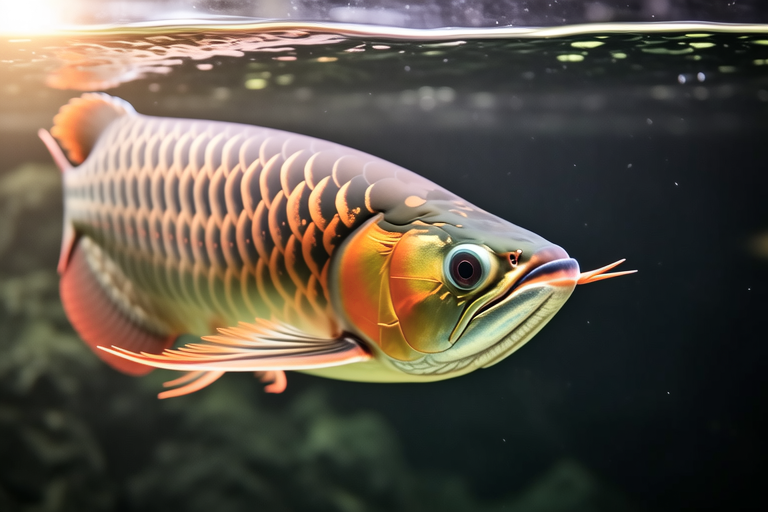
Arowanas are native to tropical regions of South America, Africa, and Asia. These fish are known for their elongated bodies, large scales, and pectoral fins that resemble wings. They have a distinctive ability to leap out of the water to catch prey, a trait that has earned them the nickname “dragonfish.” Their vibrant colors and majestic presence make them a centerpiece in any aquarium. Additionally, arowanas can live up to 20 years or more, so owners need to be prepared for a long-term commitment.
Ideal Tank Setup Requirements
Arowanas require a specialized tank setup to thrive. The minimum recommended tank size for a single arowana is 300 gallons, but larger tanks are preferred, especially if you plan to house multiple fish. The tank should have a tight-fitting lid, as these fish are notorious jumpers. The water temperature should be maintained between 78°F and 84°F (25°C to 29°C), and the pH level should be kept between 6.5 and 7.5. Regular water changes and filtration systems are crucial to maintain water quality. Additionally, the tank should have plenty of open swimming space and some hiding spots to provide a sense of security.
Dietary Needs
Arowanas are carnivorous and primarily feed on insects, crustaceans, and smaller fish in the wild. In captivity, they can be fed a variety of live, frozen, or freeze-dried foods such as earthworms, bloodworms, krill, and small feeder fish. It’s important to note that arowanas have a preference for moving prey, so offering a varied diet can help stimulate natural hunting behaviors. Feeding should be done sparingly, typically once or twice a day, to avoid overfeeding and water pollution.
Expected Behavior
Arowanas are generally peaceful fish, but they can become territorial, especially when housed with other large fish. They may display aggressive behavior towards smaller fish or those that enter their perceived territory. Arowanas are also known for their jumping abilities, which can be a concern for aquarists. Providing a secure tank cover and ensuring the tank is escape-proof are essential steps to prevent accidents. Despite their potential aggression, arowanas can form strong bonds with their owners and may even recognize and respond to familiar faces.
Maintenance Tips
Maintaining an arowana requires consistent care and attention. Regular water testing and maintenance are necessary to ensure optimal water conditions. This includes monitoring temperature, pH levels, and ammonia/nitrite levels. Water changes should be performed weekly, with at least 20% of the tank water being replaced. Proper filtration is vital to keep the water clean and free from harmful bacteria. Additionally, regular cleaning of the tank and equipment helps prevent the buildup of waste and algae.
Selecting a Healthy Fish
Choosing a healthy arowana is crucial for ensuring its well-being and longevity. When selecting a fish, look for clear eyes, smooth skin, and no signs of injury or disease. The fish should be active and responsive, showing interest in food. Avoid fish that appear lethargic, have cloudy eyes, or exhibit abnormal swimming patterns. It’s also advisable to quarantine new fish for a few weeks before introducing them to the main tank to monitor for any potential health issues.
Acclimating Your Arowana to Its New Environment
Proper acclimation is key to helping your arowana adjust to its new home. Begin by floating the sealed bag containing the fish in the tank water for about 15 minutes to equalize the temperature. Then, slowly add small amounts of tank water to the bag, allowing the fish to gradually adjust to the new water parameters. After about an hour, gently net the fish and transfer it to the tank. Avoid handling the fish excessively during this process to minimize stress.
The Long-Term Commitment
Owning an arowana is a significant responsibility that requires careful consideration. These fish have a lifespan of up to 20 years, and they demand a considerable investment in terms of time, money, and resources. Prospective owners should be prepared for the financial costs associated with purchasing the fish, setting up the tank, and maintaining it. Additionally, the emotional commitment involved in caring for a long-lived pet should not be underestimated. It’s important to ensure that you are ready to commit to the fish’s care for its entire life.
Conclusion
Bringing home an arowana is an exciting venture that comes with both rewards and responsibilities. Understanding the unique characteristics, dietary needs, and behavioral traits of these magnificent fish is essential for providing them with a happy and healthy life. By setting up an appropriate tank, feeding a balanced diet, and maintaining proper care, you can enjoy the beauty and charm of these exotic pets. Remember, owning an arowana is a long-term commitment, and with the right preparation, you can ensure a rewarding experience for both you and your fish.
