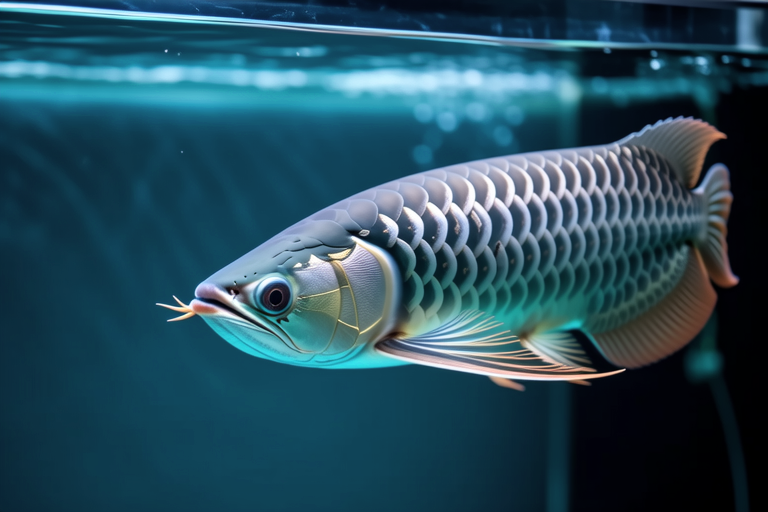
Raising Royalty: Tips and Tricks for Successfully Keeping Arowanas in Captivity
Introduction:
Arowanas, often referred to as “Dragon Fish,” are majestic creatures that captivate aquarium enthusiasts worldwide. Known for their striking appearance, impressive size, and unique behaviors, these fish have earned their reputation as royalty among freshwater species. Raising arowanas in captivity requires careful attention to their specific needs, including habitat setup, dietary requirements, and health considerations. This guide will provide you with valuable tips and tricks to successfully keep these magnificent fish healthy and thriving.
The Fascinating World of Arowanas
Arowanas belong to the family Osteoglossidae and are native to tropical regions across Asia, Africa, and South America. They are highly prized for their sleek bodies, long dorsal fins, and the ability to leap out of the water to catch prey. There are several species of arowanas, each with distinct characteristics, but all share similar care requirements. Understanding the natural habitat of arowanas is crucial to replicating it in captivity.
Habitat Setup: Creating a Suitable Environment
To ensure your arowana thrives, start by setting up an appropriate tank environment. The tank size is one of the most critical factors, as arowanas grow large and require ample space. For a single adult arowana, a tank of at least 300 gallons (1,136 liters) is recommended, with dimensions that allow for length rather than depth. This provides enough room for swimming and reduces stress caused by cramped conditions.
Water conditions must also be carefully maintained. Arowanas prefer slightly acidic to neutral pH levels (around 6.5 to 7.5), and temperatures between 78°F to 84°F (25°C to 29°C). Regular water changes and the use of a robust filtration system are essential to maintain water quality. Consider using a canister filter or a combination of filters to ensure efficient mechanical, biological, and chemical filtration.
In terms of substrate, fine gravel or sand is preferable, as it mimics the natural riverbeds where arowanas live. Decorations like driftwood, rocks, and plants can be added to create hiding spots and enrich the environment. However, be cautious with plant selection, as some arowanas may uproot or damage delicate vegetation.
Dietary Needs: Feeding Your Arowana Properly
Arowanas are carnivorous and require a diet rich in protein. In the wild, they feed on insects, small fish, crustaceans, and even birds. In captivity, it’s essential to provide a varied diet that includes high-quality pellets, frozen or live foods such as bloodworms, brine shrimp, and small feeder fish. It’s important to note that feeding too much or too frequently can lead to obesity and health issues. Feed your arowana once daily, offering only what they can consume within a few minutes.
Vitamin supplements can be beneficial, especially if the primary diet consists of processed foods. Consult with a veterinarian specializing in aquatic animals for personalized dietary recommendations based on your arowana’s age, size, and overall health.
Health Considerations: Ensuring Longevity and Well-being
Regular monitoring of your arowana’s health is vital. Look out for signs of illness, such as loss of appetite, lethargy, discolored scales, or unusual behavior. Common ailments include bacterial infections, parasitic infestations, and swim bladder disorders. Early detection and treatment are crucial for recovery.
Proper quarantine procedures should be implemented when introducing new fish or equipment to prevent the spread of diseases. Quarantine tanks should mimic the main tank’s conditions and be equipped with filtration systems. New additions should spend at least two weeks in quarantine before being introduced to the main tank.
Behavioral Understanding: Insights into Your Arowana’s Nature
Arowanas are territorial and can exhibit aggressive behavior towards other fish, especially those of similar size or shape. Therefore, it’s essential to choose suitable tank mates. Calm, larger species that can defend themselves are ideal companions. Examples include oscars, plecos, and large catfish. Avoid keeping arowanas with smaller, more timid fish, as they may become prey.
Arowanas are also known for their jumping abilities, which can pose a risk if the tank is not properly secured. Ensure the tank has a tight-fitting lid or cover to prevent escapes. Additionally, provide ample swimming space and vertical height, as arowanas enjoy leaping out of the water.
Breeding Practices: Encouraging Reproduction
Breeding arowanas in captivity is challenging but rewarding. To encourage spawning, maintain stable water conditions and provide a suitable environment. A breeding tank should be spacious, with plenty of hiding spots and a gentle current. Males and females should be conditioned separately before introduction. Once introduced, monitor their interactions closely.
During courtship, males will display their fins and perform intricate dances. If successful, the female will release eggs, which the male will fertilize externally. The male then carries the fertilized eggs in his mouth until they hatch, usually after about three weeks. Providing optimal water conditions and ensuring the male’s health are crucial during this period.
Common Challenges and Solutions
Captivating arowanas comes with its set of challenges. One common issue is fin rot, often caused by poor water quality or physical injuries. Maintaining clean water and avoiding overcrowding can help prevent this condition. Another challenge is maintaining proper water parameters, especially in large tanks. Investing in reliable test kits and automatic dosing systems can assist in managing water chemistry.
Behavioral problems, such as aggression or lethargy, may arise due to stress or improper care. Ensuring a peaceful environment, adequate space, and a balanced diet can mitigate these issues. Regular interaction and observation can also help identify and address behavioral concerns early.
Maintaining Health and Happiness: Final Advice
To keep your arowana healthy and happy, prioritize regular maintenance and observation. Perform weekly water changes, clean the tank thoroughly, and inspect the fish for any signs of distress. Establish a routine for feeding and cleaning to ensure consistency.
Lastly, educate yourself continuously about arowana care. Join online forums, attend workshops, and consult with experienced aquarists. By staying informed and proactive, you can provide the best possible care for your arowana and enjoy many years of companionship with these regal fish.
Conclusion:
Keeping arowanas in captivity is a rewarding endeavor that demands dedication and expertise. By following the tips and guidelines outlined in this article, you can create an environment that meets the specific needs of these majestic fish. Remember, the key to success lies in replicating their natural habitat, providing a nutritious diet, and addressing health and behavioral concerns promptly. With patience and commitment, you can raise arowanas that thrive and bring joy to your home.
