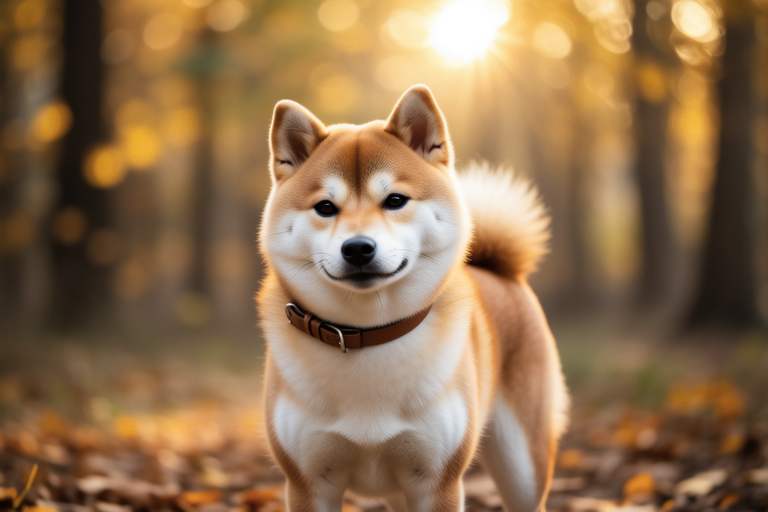
Unleashing Joy: The Ultimate Guide to Living with a Shiba Inu
Welcome to the wonderful world of Shiba Inus! Known for their fox-like appearance and spirited personality, Shibas have captured the hearts of many dog lovers around the globe. This comprehensive guide will provide you with all the information you need to understand and enjoy life with your Shiba Inu. From their unique temperament to training tips, grooming needs, dietary requirements, common health issues, and socialization advice, we’ve got you covered.
The Unique Temperament of the Shiba Inu
The Shiba Inu is an independent and intelligent breed that can be challenging to train but is also incredibly loyal and affectionate with their families. They are known for their “Shiba smile,” a characteristic expression that gives them an almost perpetually happy demeanor. However, beneath this charming exterior lies a strong-willed dog that requires firm yet gentle guidance from its owner.
Shibas are highly alert and territorial, making them excellent watchdogs. They are naturally suspicious of strangers, which can sometimes lead to aggressive behavior if not properly socialized. Early socialization is crucial to help your Shiba become comfortable around different people, animals, and environments. Exposing your puppy to various stimuli during the critical socialization period (up to 14 weeks) will help prevent fear-based aggression later in life.
Training Tips for Your Shiba Inu
Training a Shiba Inu can be both rewarding and challenging. Their independent nature means they may not always respond to commands immediately or consistently. Patience and consistency are key when teaching your Shiba basic obedience commands such as sit, stay, come, and heel.
Positive reinforcement techniques, such as treats and praise, work best with Shibas. Avoid harsh corrections or punishment, as these can damage the trust between you and your dog. Instead, focus on rewarding good behavior and redirecting unwanted actions. For example, if your Shiba is barking excessively, offer them a toy or treat to distract them until they calm down.
Leash training is particularly important for Shibas due to their tendency to wander off. Start by acclimating your puppy to the leash at home before taking them on walks. Keep initial outings short and positive, gradually increasing the duration as your Shiba becomes more comfortable.
Grooming Needs of the Shiba Inu
Grooming a Shiba Inu is relatively straightforward, thanks to their double coat. Regular brushing helps remove loose hair and prevents matting. Shibas typically shed heavily twice a year, during spring and fall, when they molt their undercoat. During these periods, daily brushing may be necessary to keep up with the shedding.
Bathing your Shiba Inu should be done sparingly, as over-bathing can strip their coat of natural oils. Use a mild shampoo specifically formulated for dogs, and ensure thorough rinsing to avoid any residue. After bathing, dry your Shiba thoroughly to prevent skin irritation.
Trimming nails and cleaning ears are essential parts of maintaining your Shiba’s hygiene. Long nails can cause discomfort and interfere with proper foot alignment. Use a nail clipper designed for dogs, and take care not to cut into the quick, which can cause bleeding and pain. Ear cleaning should be performed regularly to prevent infections. Use a cotton ball dampened with a veterinarian-approved ear cleaner, gently wiping the outer ear canal.
Dietary Requirements for Your Shiba Inu
A balanced diet is crucial for keeping your Shiba Inu healthy and active. High-quality dog food that meets AAFCO standards should provide sufficient protein, fats, carbohydrates, vitamins, and minerals. Consult with your veterinarian to determine the appropriate amount of food based on your Shiba’s age, weight, and activity level.
Many Shibas are prone to food allergies, so it’s essential to monitor their reactions to different ingredients. Common allergens include chicken, beef, wheat, and soy. If you notice signs of allergic reactions, such as itching, redness, or gastrointestinal upset, consult your vet for guidance on adjusting your Shiba’s diet.
Water intake is equally important. Ensure your Shiba has access to fresh water at all times, especially during hot weather or after physical activity. Dehydration can lead to serious health problems, so it’s vital to encourage regular hydration.
Common Health Issues in Shibas
Like all breeds, Shibas are susceptible to certain health conditions. Some of the most common issues include hip dysplasia, patellar luxation, progressive retinal atrophy, and hypothyroidism. Regular veterinary check-ups can help catch potential problems early and ensure your Shiba receives timely treatment.
Vaccinations and preventive care, such as flea and tick treatments, are also essential for maintaining your Shiba’s overall health. Discuss a vaccination schedule with your veterinarian, ensuring your Shiba stays protected against diseases like parvovirus, distemper, and rabies.
Socializing Your Shiba Inu
Proper socialization is crucial for raising a well-adjusted Shiba Inu. Early exposure to various people, animals, and environments helps prevent fear-based aggression and fosters a confident, friendly dog. Puppy classes are an excellent way to introduce your Shiba to other dogs and handlers while learning basic obedience skills.
Introduce your Shiba to new experiences gradually, allowing them time to acclimate before moving on to the next step. Positive reinforcement during socialization sessions reinforces good behavior and helps build a strong bond between you and your dog.
When introducing your Shiba to other dogs, choose calm, friendly companions and supervise interactions closely. Shibas can be territorial and may react aggressively toward unfamiliar dogs, especially if they feel threatened. Desensitization exercises, where your Shiba is exposed to other dogs in controlled settings, can help reduce anxiety and improve tolerance.
Conclusion
Living with a Shiba Inu is a joyous experience filled with love, laughter, and adventure. By understanding their unique temperament, providing proper training, grooming, nutrition, and socialization, you can ensure your Shiba Inu leads a happy, healthy life. Remember that every Shiba is an individual, and what works for one may not work for another. Stay patient, seek advice from experts when needed, and most importantly, enjoy the journey!
